


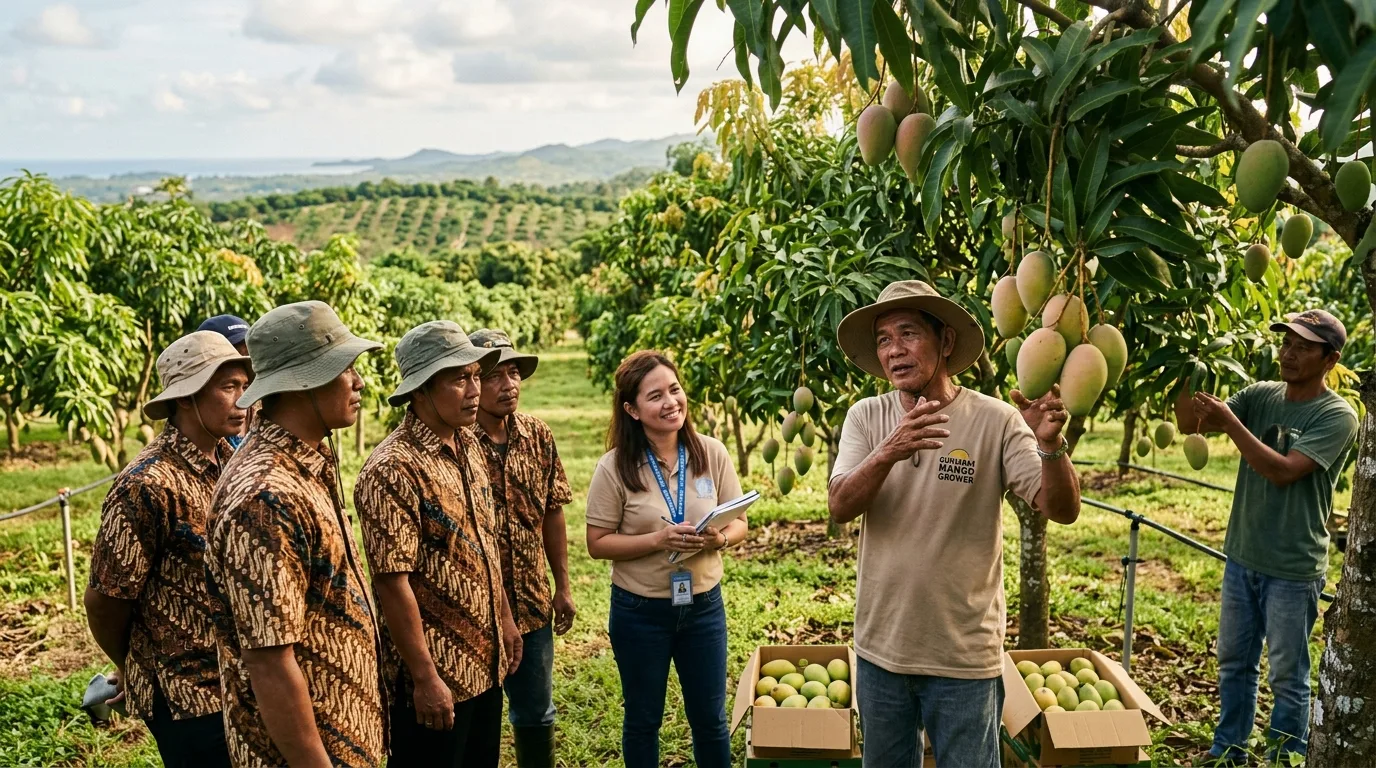
Indonesian farmers are turning their attention to the Philippines, embarking on a comprehensive study of its renowned mango sector, an initiative facilitated by the Food and Agriculture Organization (FAO). This development underscores the Philippines' established expertise in tropical agriculture and its potential to serve as a model for sustainable and productive farming practices across Southeast Asia. The move by Indonesian agriculturalists to learn from the Philippines highlights the success and innovation achieved by Filipino farmers in cultivating one of the world's most beloved fruits.
Showcasing Generational Expertise and Guimaras Mango Cultivation
While specific details of the study program, such as its duration or the exact regions involved, were not immediately available, the very act of seeking knowledge from the Philippines speaks volumes about the quality and efficiency of its mango production. This cross-border learning is a testament to the hard work and dedication of countless Filipino agriculturalists who have honed their craft over generations, positioning the Philippines as a leader in mango cultivation, known for its unique and highly sought-after varieties.
Elevating FAO South-South Collaboration and Global Market Reach
This regional collaboration, supported by the FAO, signifies more than just knowledge transfer; it elevates the Philippines' standing as a hub for agricultural innovation. For the Philippines, this could translate into increased demand for its agricultural products, potentially boosting export revenues and strengthening its position in the global food market. Furthermore, it validates the continuous efforts in research and development within the Philippine agricultural sector, encouraging further investment and growth. This recognition also fosters a sense of national pride, showcasing Filipino ingenuity on an international stage.
Opening Consultancy Avenues and Safeguarding Farm Livelihoods
For Filipinos, both at home and abroad, this news is a source of immense pride. It reaffirms the global value of Philippine agricultural produce and the expertise of its people. For Overseas Filipino Workers (OFWs) with backgrounds in agriculture, this could signal emerging opportunities. As neighboring countries seek to emulate Philippine success, there may be an increased demand for Filipino agricultural consultants, farm managers, or skilled laborers to assist in developing similar programs. It also underscores the importance of continued support for local farmers, ensuring that the Philippines maintains its competitive edge and that these successes translate into improved livelihoods for farming communities and their families across the Philippines.
