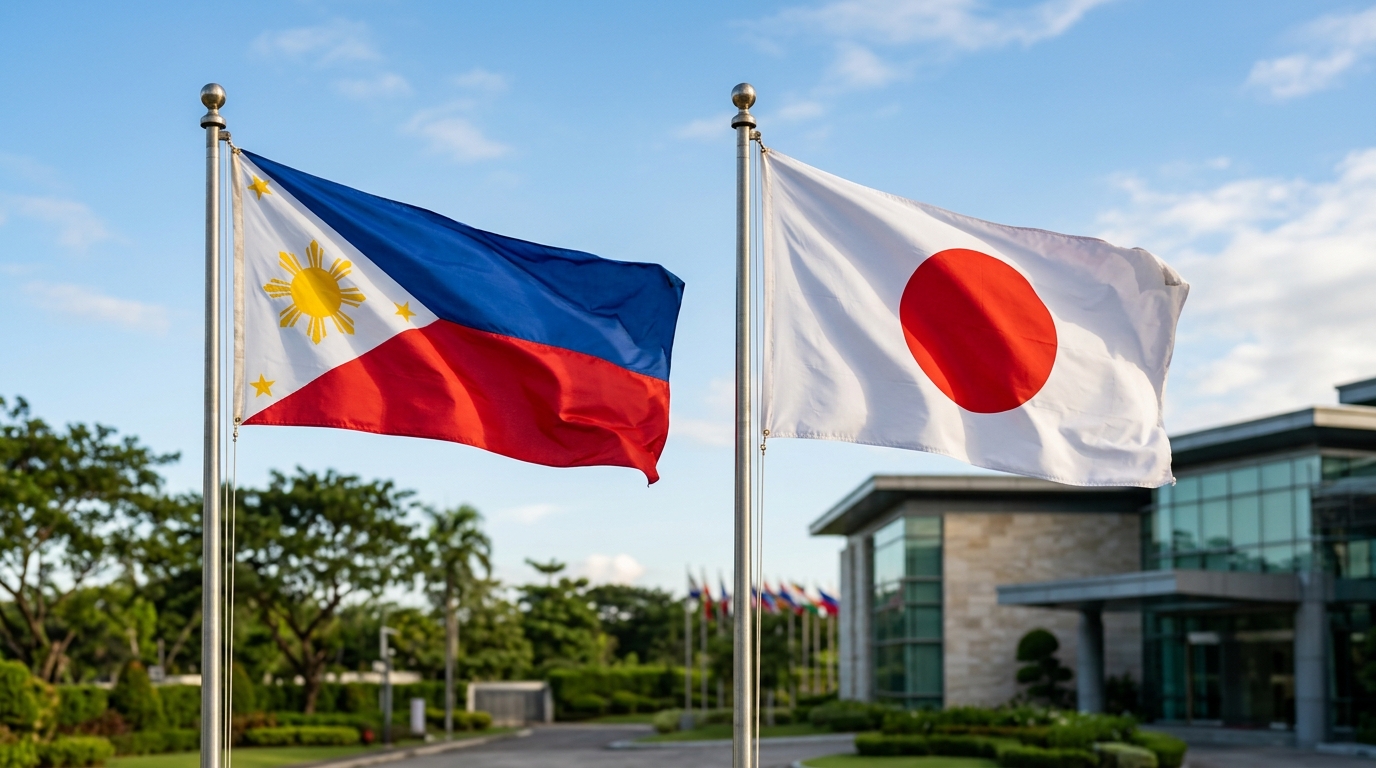
Japan — Manila and Tokyo are set to commence negotiations on an intelligence-sharing agreement, a move signaling a significant deepening of security cooperation between the two nations. This development, reported by The Diplomat – Asia-Pacific, underscores a growing strategic alliance aimed at addressing common security challenges in the Indo-Pacific region. For Filipinos, both at home and abroad, this pact carries implications for national security, economic stability, and the broader geopolitical landscape.
Enhancing Maritime Domain Awareness and Disaster Response Frameworks
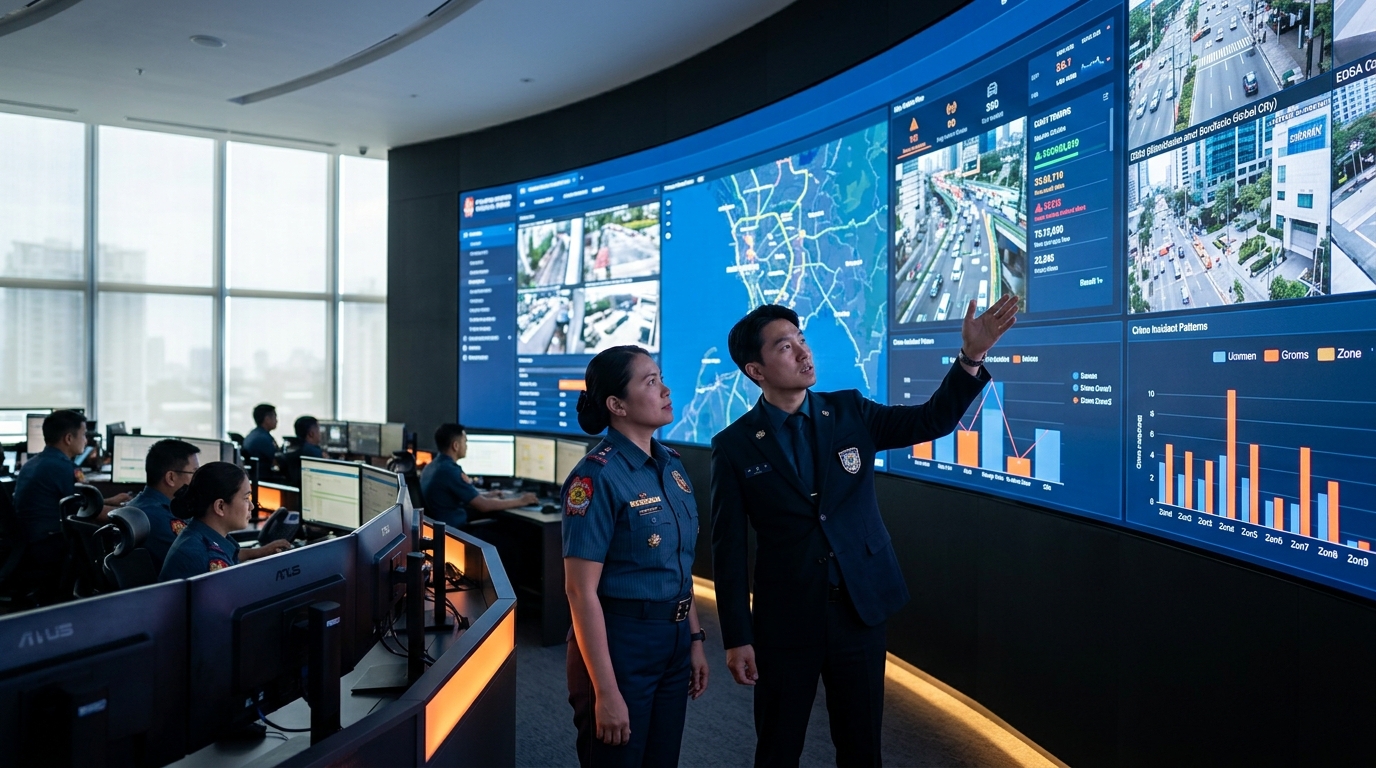
The proposed agreement will facilitate a more structured exchange of critical information, potentially covering areas such as maritime security, counter-terrorism efforts, and responses to natural disasters. Such formal arrangements are crucial for enhancing operational coordination and ensuring a unified front against evolving regional threats. As the Philippines navigates complex geopolitical dynamics, strengthening partnerships with allies like Japan becomes increasingly vital. This intelligence collaboration is expected to bolster the Philippines' capacity to monitor and respond to various security concerns, contributing to a more secure environment for its citizens.
Securing Global Shipping Lanes and Fortifying Investor Confidence
A more secure and stable regional environment directly impacts the lives of Filipinos. Enhanced maritime security, for instance, protects vital shipping lanes crucial for international trade, which the Philippines heavily relies on for its economy. It also safeguards the thousands of Filipino seafarers, many of whom are overseas Filipino workers (OFWs), who traverse these waters daily. Furthermore, improved intelligence sharing can fortify counter-terrorism strategies, offering greater protection against threats that could affect communities both within the Philippines and where OFWs reside globally. The strengthening of diplomatic and security ties with a major economic power like Japan can also foster greater investor confidence in the Philippines, potentially leading to increased foreign direct investment and job creation.
Constructing Multilateral Security Layers for Safeguards
While the direct, day-to-day impact on individual Filipinos might not be immediately apparent, this intelligence-sharing agreement forms a critical layer in the nation's security architecture. It represents a commitment to regional stability, which is foundational for economic prosperity and the safety of the population. Filipinos should understand that such international agreements are part of a broader strategy to ensure national resilience and protect national interests. For OFWs, a stable and secure region translates to safer working conditions and robust diplomatic support from their home country. This agreement underscores the Philippines' proactive approach to safeguarding its future through strategic international partnerships.