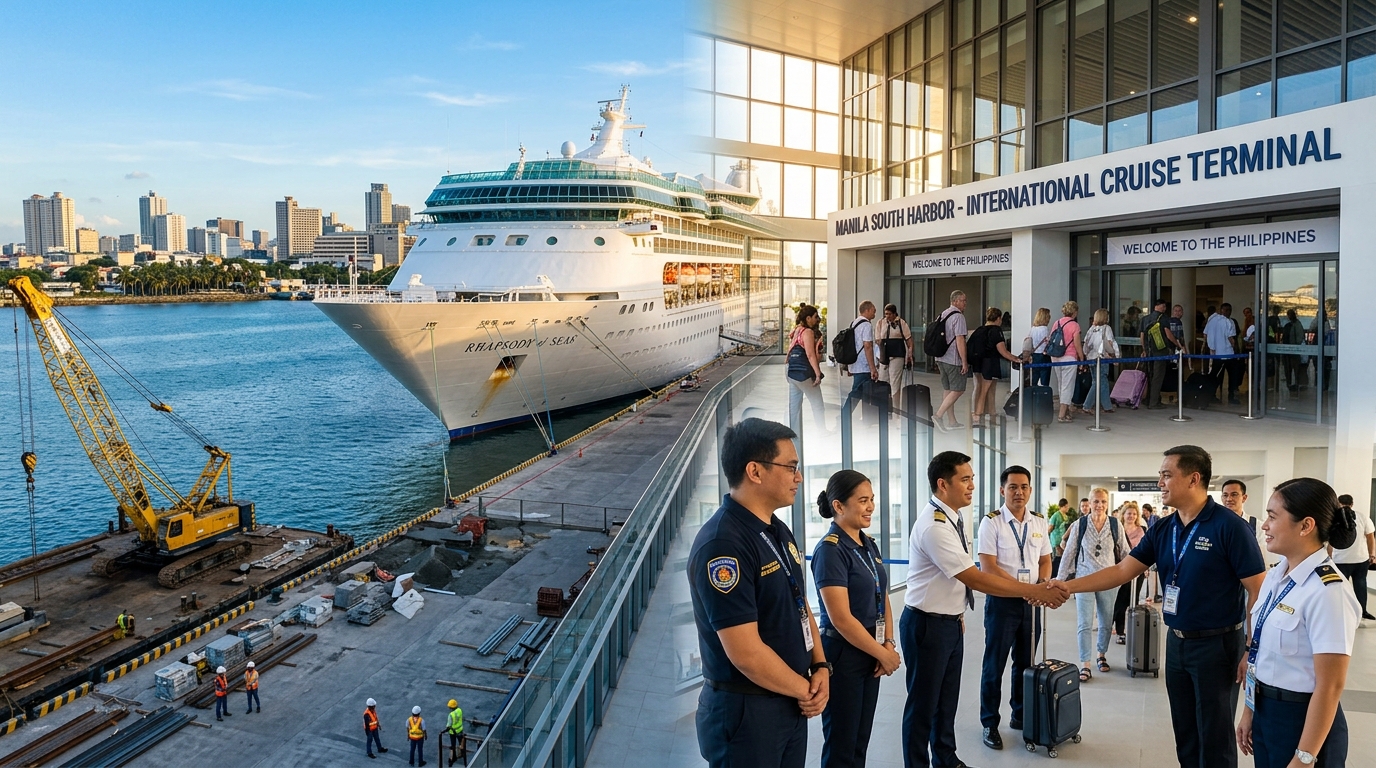
Philippines — The country is rapidly positioning itself as a major player in Asia's burgeoning cruise tourism industry, aligning itself with established regional giants like Singapore, Malaysia, and Japan. This strategic shift is backed by substantial multi-million dollar investments in port infrastructure, signaling an ambitious push to attract a record influx of European and US passengers starting as early as 2026.
Transforming Regional Gateways to Anchor Massive Global Vessels
The move aims to capitalize on the global appetite for sea travel, transforming the archipelago into a premier destination for international cruise lines. This significant development, highlighted by industry reports, underscores the nation's commitment to expanding its tourism footprint. The upgraded port facilities are designed not only to accommodate larger vessels but also to enhance the overall passenger experience, ensuring smooth operations for the anticipated surge in international visitors. The strategic timing of these expansions aims to capture a growing segment of the global tourism market, promising a vibrant future for the Philippines' travel sector.
Driving Maritime Opportunities and Shipboard Hospitality Placement
For Filipinos, both at home and working abroad, this expansion carries profound implications. The growth of the cruise tourism sector is a direct catalyst for job creation across various industries. Locally, this means new opportunities in hospitality, port services, transportation, tour guiding, and the retail sector, particularly in areas near these expanded ports. For Overseas Filipino Workers (OFWs), especially those with maritime or hospitality experience, the demand for skilled professionals on international cruise ships is expected to rise, creating more avenues for employment on a global scale. This economic ripple effect could significantly boost local economies, increase remittances, and enhance the country's overall standing as a service provider to the world.
Accelerating Professional Certifications and Entrepreneurial Development
Filipinos interested in leveraging these emerging opportunities should consider investing in relevant skills and certifications. The cruise industry demands high standards in customer service, hospitality, culinary arts, and maritime operations. Training programs focused on these areas could provide a competitive edge. Furthermore, the increased tourism will necessitate a robust local infrastructure and a welcoming environment, encouraging entrepreneurs to develop businesses that cater to international visitors. This is a moment for the Philippines to showcase its world-renowned hospitality and diverse culture, presenting a golden opportunity for economic advancement and global recognition.