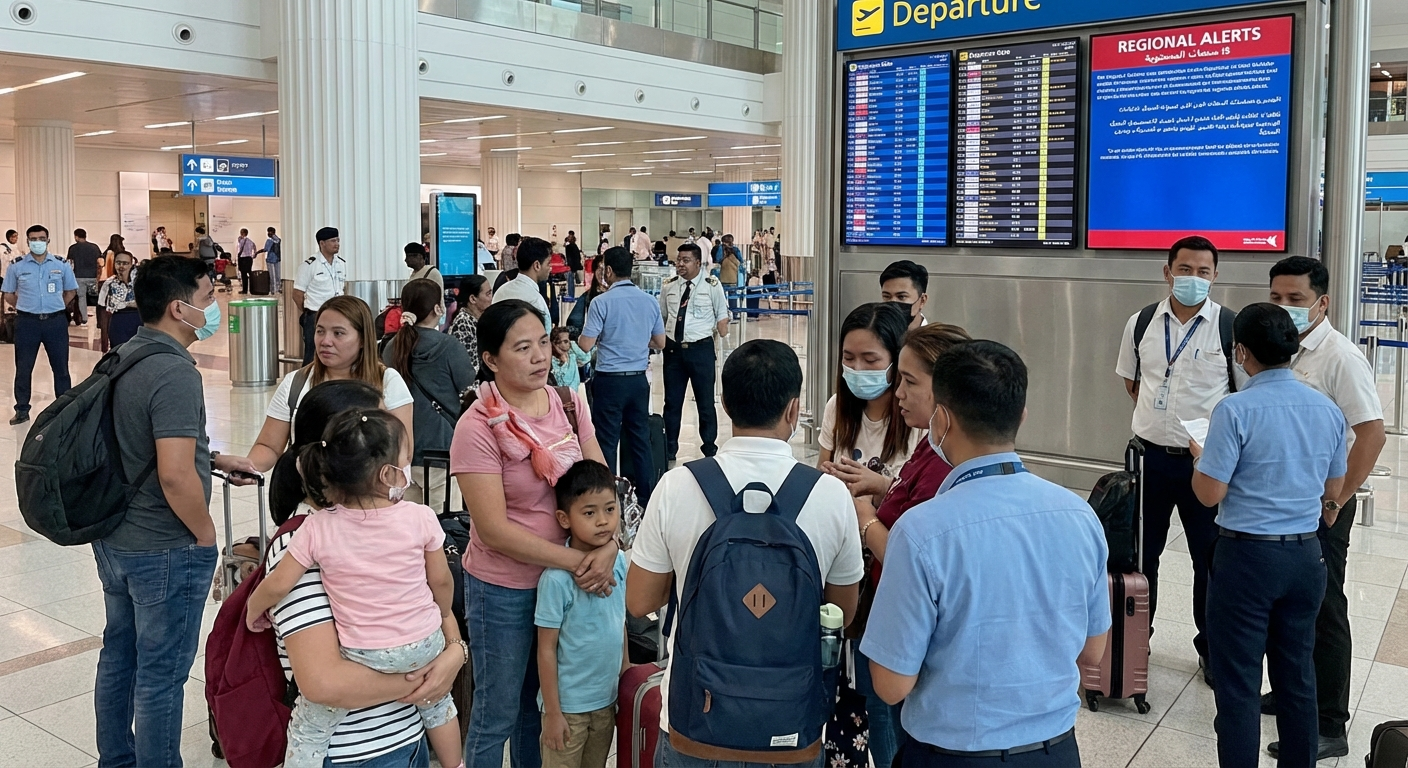
The Philippines is poised to play a pivotal role in an ambitious regional initiative aimed at achieving record-breaking tourism growth across Southeast Asia by 2026. This collaborative effort sees Manila joining forces with key Asian economies including China, Cambodia, Thailand, Indonesia, South Korea, and Vietnam. Reported by Travel And Tour World [1], this multi-nation pact signifies a strategic alignment to revitalize and expand the tourism sector post-pandemic. The focus on "record-breaking growth" suggests a concerted effort to attract visitors from diverse global markets, leveraging the unique cultural and natural attractions of each participating country. For the Philippines, this could translate into a substantial increase in international arrivals, a significant boost to local businesses, and considerable job creation within the hospitality and related service industries. Why It Matters For millions of Filipinos, both domestically and overseas, this initiative holds substantial economic promise. A thriving tourism sector directly creates employment opportunities, from hotel staff and tour guides to local artisans, farmers, and transport providers. This influx of jobs could offer more Filipinos viable career paths at home, potentially reducing the need for some to seek employment abroad as OFWs. Furthermore, increased tourism revenue strengthens the national economy, supporting infrastructure development and social services that benefit all citizens. The strategic partnership with major source markets like China and South Korea, alongside burgeoning destinations in Southeast Asia, positions the Philippines to capitalize on diverse traveler preferences. This could help diversify the tourism market beyond traditional sources, ensuring more resilient growth and a wider spread of economic benefits across the archipelago. What Filipinos Need to Know As the 2026 target approaches, Filipinos should be aware of the potential shifts and opportunities. Investments in hospitality training, language skills, and local entrepreneurship can position individuals and communities to fully benefit from this tourism surge. For OFWs considering returning home, or those with families seeking stable employment, the expanding tourism sector may offer new avenues for sustainable livelihoods. The success of this regional push will depend heavily on robust national and local government support, ensuring infrastructure readiness, sustainable tourism practices, and a safe, welcoming environment for visitors.
Philippines Joins Regional Tourism Drive: What It Means for Filipino Futures
UPDATED 16 MIN AGOByHomesPH Editorial Team
Share:
LATEST STORIES