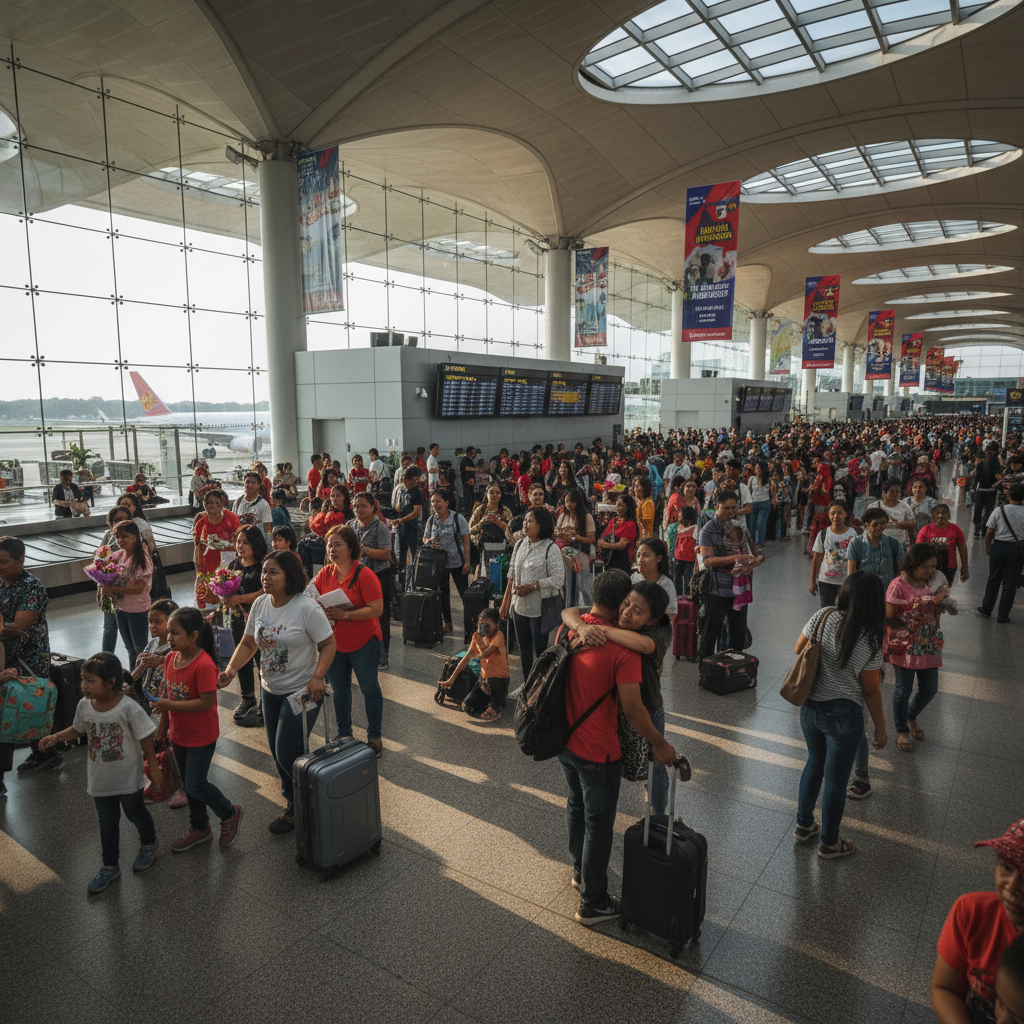
A powerful wave of travel demand is sweeping across Asia, with the Philippines positioned at the forefront of this regional surge alongside South Korea, China, Japan, Singapore, and Malaysia. This unprecedented increase in passenger traffic is occurring in anticipation of the PATA Travel Mart 2027, slated to be held in Macao, signaling a robust recovery and expansion for the global tourism sector.
Regional Mobility and the Strategic Rise of the Philippine Hub
Leading airlines, including Cathay Pacific, Korean Air, JAL, Singapore Airlines, and AirAsia, are already responding by significantly boosting their routes and capacity to accommodate what is being described as record-breaking demand. This burgeoning travel landscape points to a period of heightened connectivity and economic activity across the region. The Philippines' inclusion in this list of top-performing countries underscores its growing appeal as a destination and its strategic importance in the Asian travel network. As airlines expand their services, it indicates not just a return to pre-pandemic levels but a significant leap forward in regional mobility and tourism investment.
Fueling Job Creation and Economic Resilience Across the Archipelago
For the Philippines, this travel surge is more than just about vacationers; it represents a substantial economic opportunity. Increased tourism translates directly into higher revenues for the hospitality sector, including hotels, resorts, restaurants, and local businesses. This, in turn, fuels job creation for thousands of Filipinos working in tourism-related industries, from tour guides and hotel staff to transportation providers and artisans. The enhanced air connectivity could also attract more foreign investment, further bolstering the nation's economic resilience and growth prospects.
Enhanced Connectivity and Stability for the Global Filipino Community
This exciting development has direct implications for Filipinos, whether residing in the Philippines or working as Overseas Filipino Workers (OFWs) globally. For those at home, the burgeoning tourism sector promises more employment opportunities and a potential uplift in local economies. For OFWs, the expanded routes and increased flight frequencies could mean more convenient and potentially more affordable options for visiting their families in the Philippines. Furthermore, OFWs working in these booming Asian economies might find increased stability or new job prospects in sectors benefiting from the travel surge, such as aviation, hospitality, and logistics. It is a moment for every Filipino to recognize the nation's rising profile in the global tourism arena and the economic benefits that could follow.