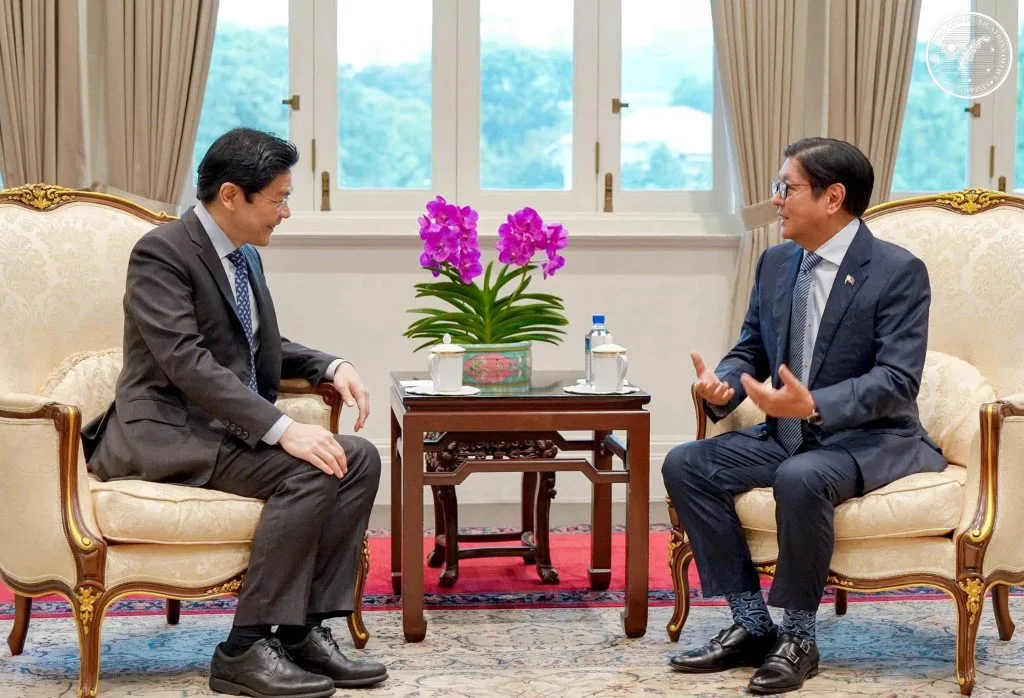
President Ferdinand Marcos Jr. recently concluded a three-day state visit to Singapore, announcing that the trip successfully strengthened bilateral ties and secured significant investment commitments. According to the President, these pledges are earmarked to support critical sectors within the Philippines, specifically digital transformation, infrastructure development, and healthcare expansion.
Expanding Telecommunications, AI Capabilities, and Data Center Infrastructure
The secured investment commitments signal a potential boost for the Philippine economy, with a focus on modernizing key national services. Digital transformation initiatives could lead to advancements in technology infrastructure, potentially creating new job opportunities in the IT sector and improving the efficiency of government and private services. Similarly, infrastructure development promises to enhance connectivity and logistics across the archipelago, which is vital for economic growth and the movement of goods and people. The commitment to healthcare expansion aims to improve access to medical facilities and services, a long-standing challenge for many communities in the Philippines.
Generating Tech-Driven Employment, Streamlining Transpacific Communication, and Maximizing Remittance Value
For Filipinos, both domestically and as Overseas Filipino Workers (OFWs), these investment commitments hold significant implications. Improved digital infrastructure can facilitate better communication and support systems for OFWs connecting with their families back home. Enhanced infrastructure development could translate into more local job opportunities, potentially reducing the need for some Filipinos to seek employment abroad and providing a more robust economy for returning OFWs. Furthermore, expanded healthcare services offer the promise of better quality of life and access to essential medical care for Filipino families, directly addressing a critical need that often weighs on the minds of those working overseas. The success of these initiatives could contribute to a more stable and prosperous Philippines, ultimately benefiting all its citizens.
Tracking Corporate Execution Timelines and Navigating Regional Labor Market Realignments
Filipinos should closely monitor the progress and specifics of these investment commitments. While the President’s announcement highlights the areas of focus, the tangible impact will depend on the detailed implementation plans, the volume of investment, and the transparency of the projects. These developments could shape future employment landscapes, educational opportunities, and access to essential services. OFWs and their families should stay informed about how these national advancements translate into concrete improvements in their local communities and the broader Philippine economy.