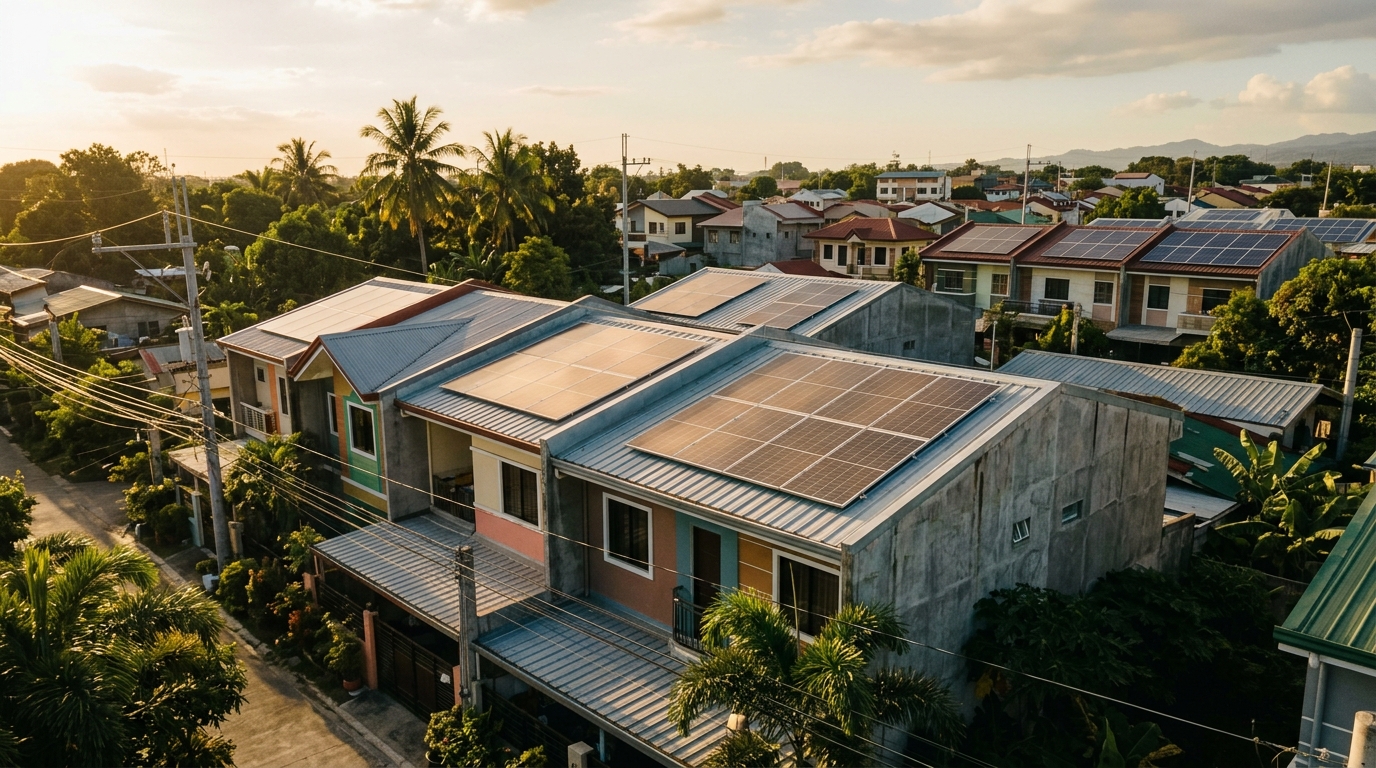
The Philippines is emerging as a global frontrunner in the swift transition to solar energy, a move directly spurred by the escalating cost of electricity across the archipelago. This rapid embrace of renewable power sources indicates a significant shift in the nation's energy landscape, driven by the economic realities faced by millions of Filipino families and enterprises.
High Tariffs Spark a Rooftop Revolution Across the Archipelago
The reported acceleration in solar adoption highlights a proactive response to persistently high electricity tariffs, which are among the most expensive in Southeast Asia. For many Filipinos, the burden of power bills has become increasingly challenging, prompting a search for sustainable and more affordable alternatives. The "rush" to solar suggests a growing number of residential, commercial, and industrial consumers are investing in photovoltaic systems to mitigate these rising expenses and achieve greater energy independence. This trend reflects a broader national imperative to secure a more resilient and cost-effective energy future.
Empowering OFW Families and Fueling National Job Growth
For the average Filipino household, particularly those supported by remittances from Overseas Filipino Workers (OFWs), the high cost of electricity represents a substantial drain on finances. A shift towards solar power could offer much-needed relief, reducing monthly utility expenses and allowing families to allocate funds to other essential needs like education, healthcare, or small businesses. For OFWs, this could mean their hard-earned money goes further, directly improving their families' quality of life back home. Economically, this solar boom carries significant potential for job creation within the Philippines. The increased demand for solar panel installation, maintenance, and associated services could generate thousands of new employment opportunities for Filipinos, fostering a skilled workforce in the renewable energy sector. Furthermore, it positions the Philippines as a significant player in the global green energy transition, attracting potential foreign investment and technological advancements.
Shift: Practical Steps for Long-Term Savings
Filipinos, both within the country and abroad, should be aware of the growing opportunities and benefits presented by this solar energy push. For those residing in the Philippines, exploring solar options for homes or businesses could lead to substantial long-term savings and increased energy security. Understanding available government incentives or financing schemes for solar installations is crucial. For OFWs, this trend underscores a potential area for investment back home or a means to further support their families by enabling them to reduce recurring household costs. The Philippines' leadership in solar adoption signals a promising direction towards a more sustainable and economically viable future, benefiting current and future generations of Filipinos.