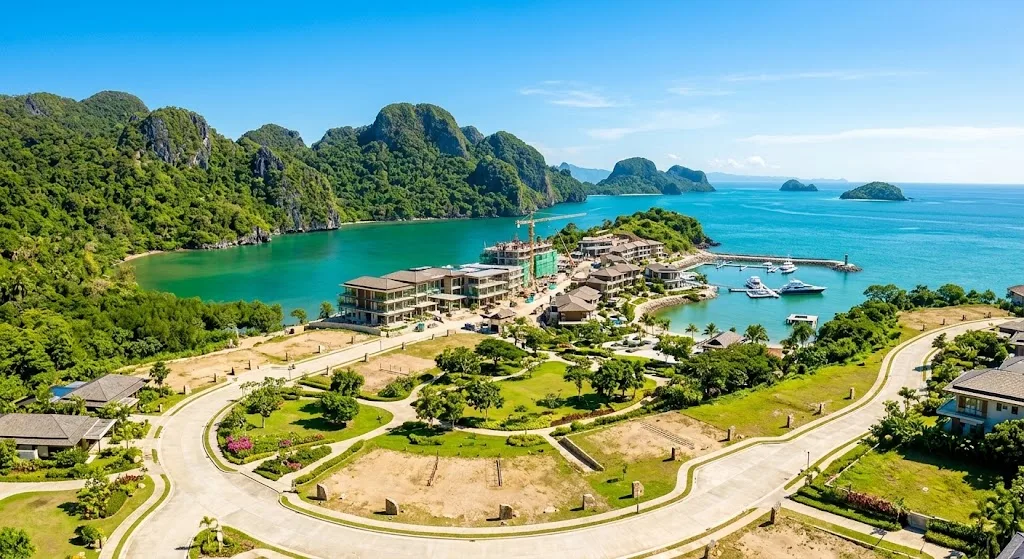
Palawan — As an archipelagic nation surrounded by vast marine resources, the Philippines is taking decisive action to align its coastal and ocean governance under a single, cohesive framework. Led by the Department of Economy, Planning, and Development (DEPDev), key institutions recently convened for the "Bughaw-Tanaw" roundtable dialogue in Mandaluyong City to consolidate diverse maritime mandates into the overarching Philippine Blue Economy Framework. By bringing together lawmakers, academic experts, and civil society leaders, this strategic alignment aims to balance economic marine activities with environmental conservation. Harmonizing these ocean policies ensures long-term food security, protects coastal livelihoods, and opens sustainable pathways for eco-tourism and maritime industries.
Integrating Marine Policy Governance Across Archipelagic Coastal Waters
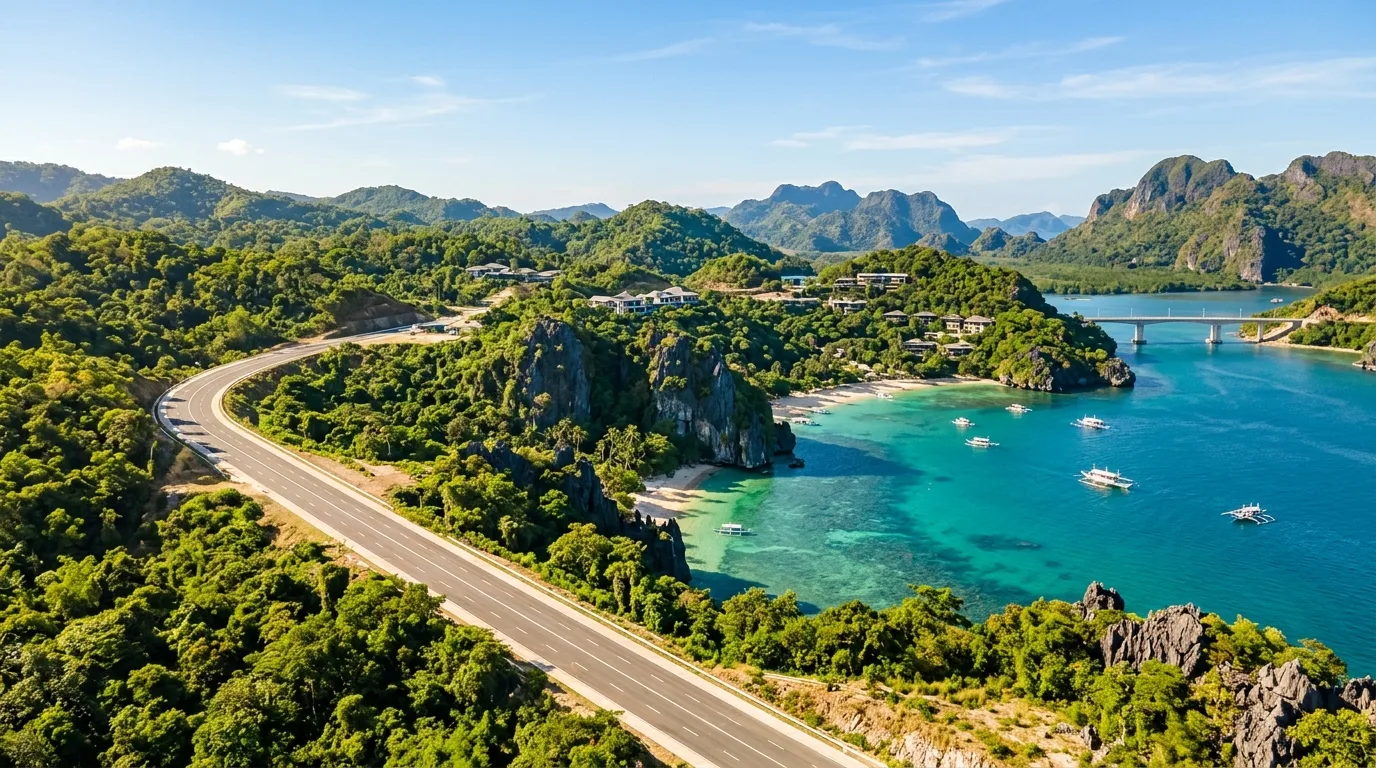
Consolidating overlapping jurisdictions across governmental bodies stands as a primary focus for the new national framework. Representatives from the executive, legislative, and judicial branches joined forces with marine scientists to harmonize existing environmental laws, including the Fisheries Code and the Clean Water Act. DEPDev officials emphasized that moving past fragmented agency stewardship will allow the country to protect vital ecosystems like coral reefs and mangroves far more effectively. This unified governance approach supports the pending Blue Economy Act, establishing clear national guidelines for responsible ocean use. Strengthening policy alignment ultimately creates a stable foundation for archipelagic communities that rely heavily on healthy marine resources.
Safeguarding Pristine Island Beaches Coastal Resorts And Marine Sanctuaries
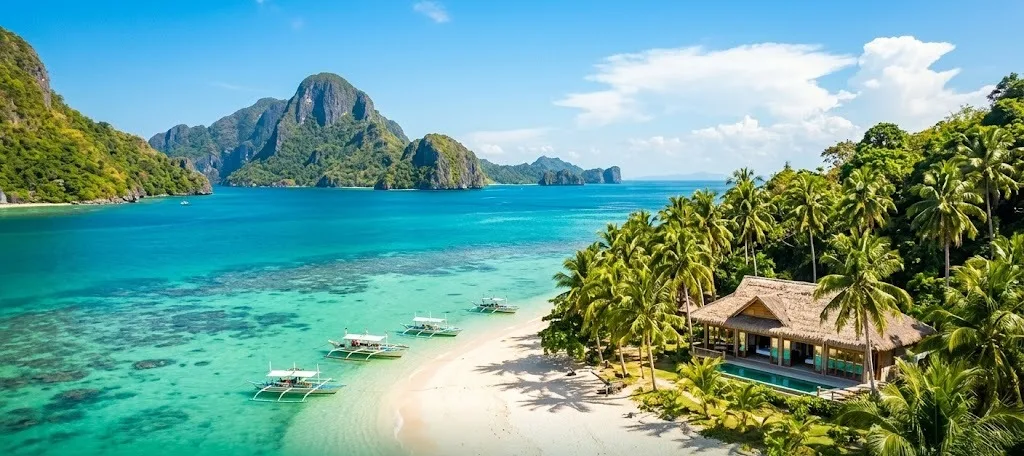
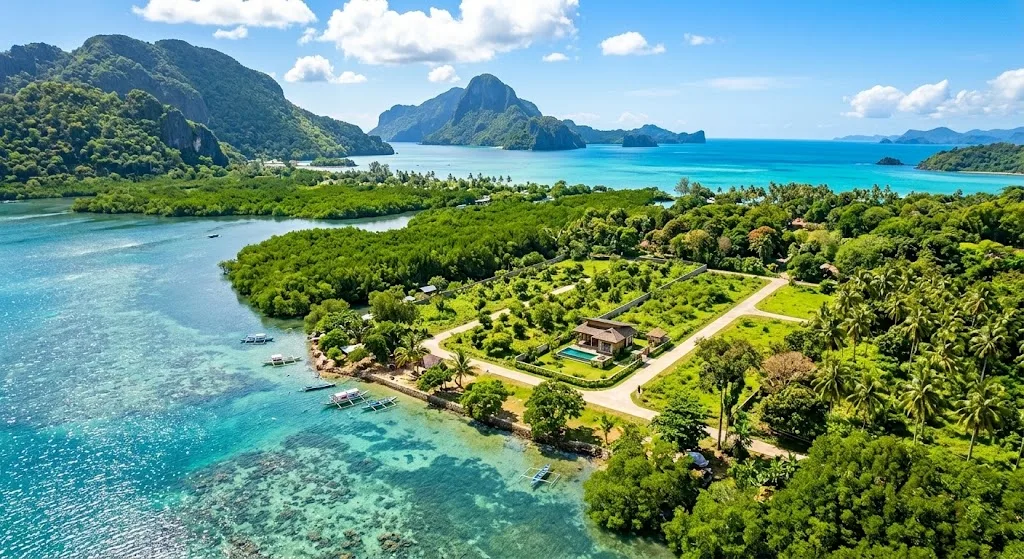
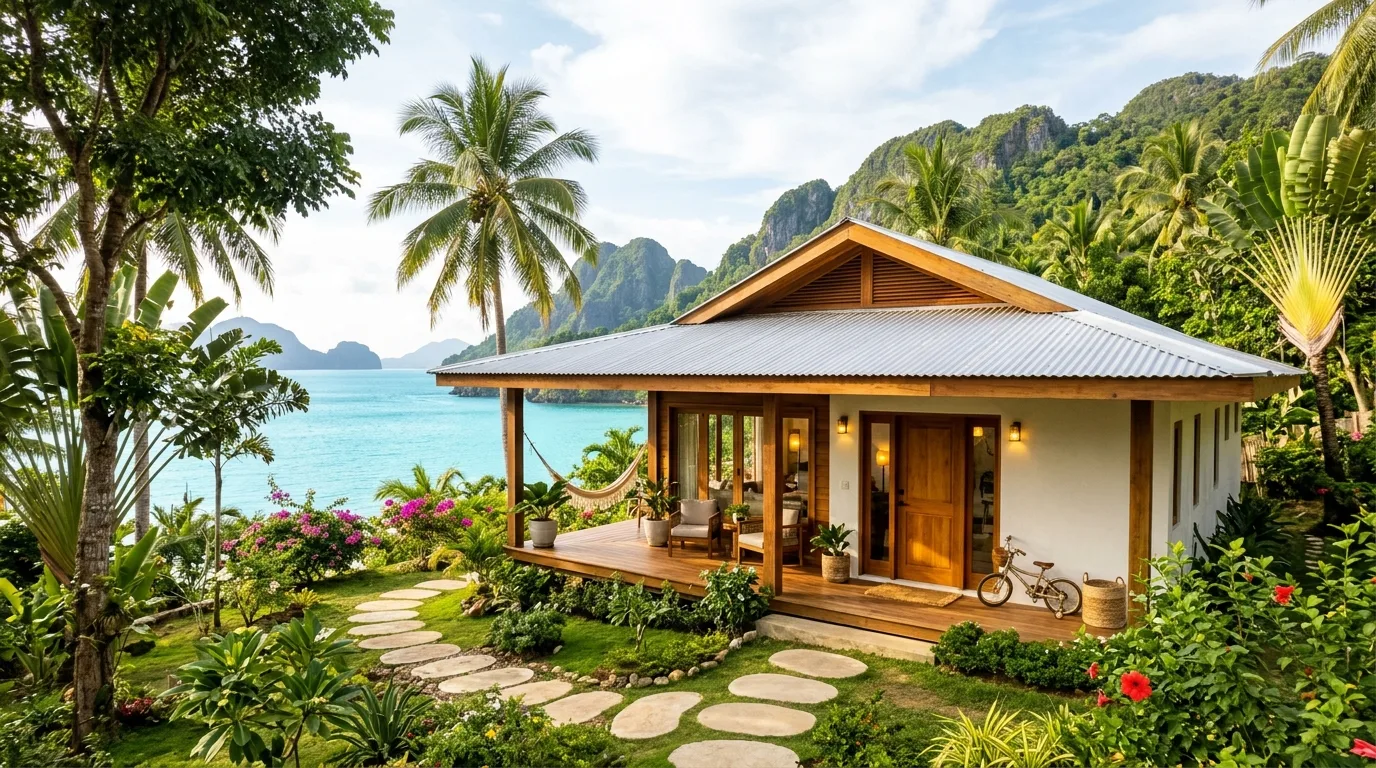
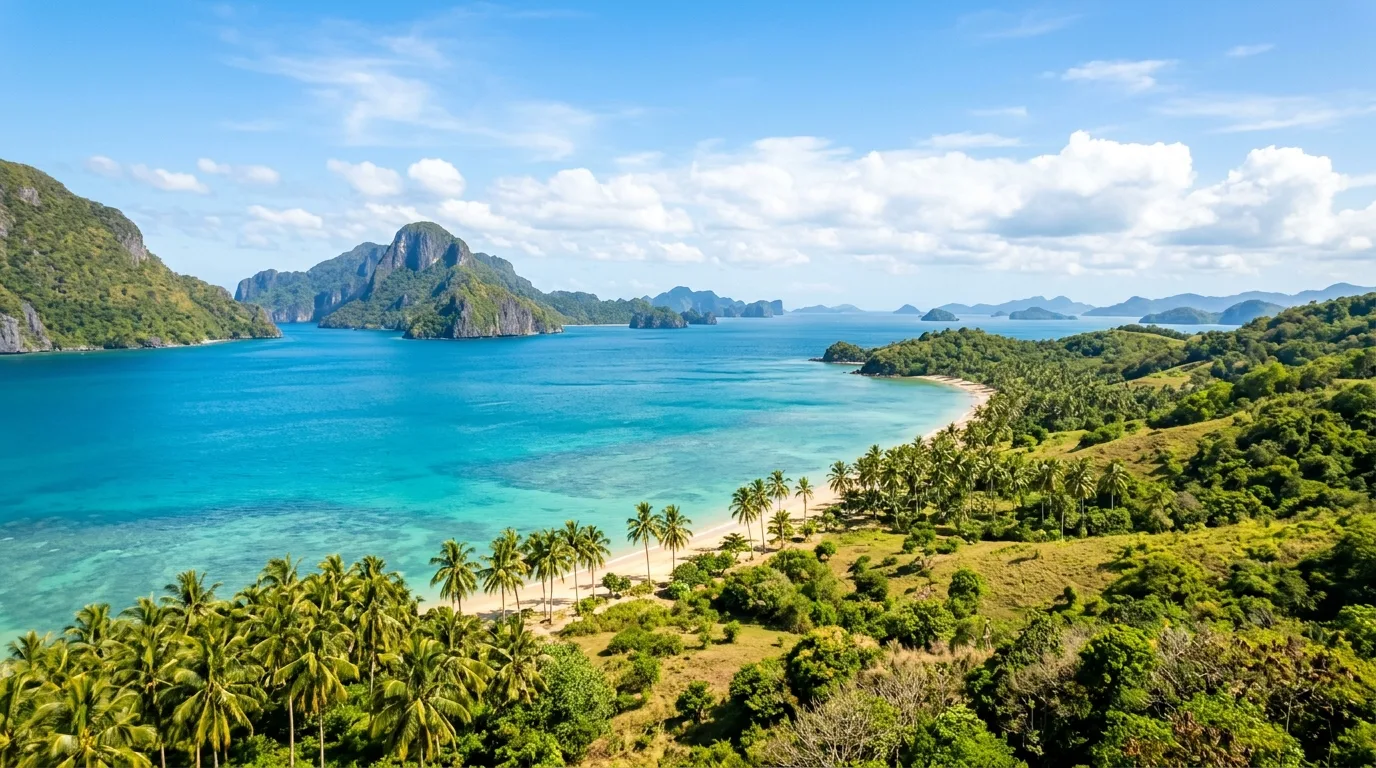
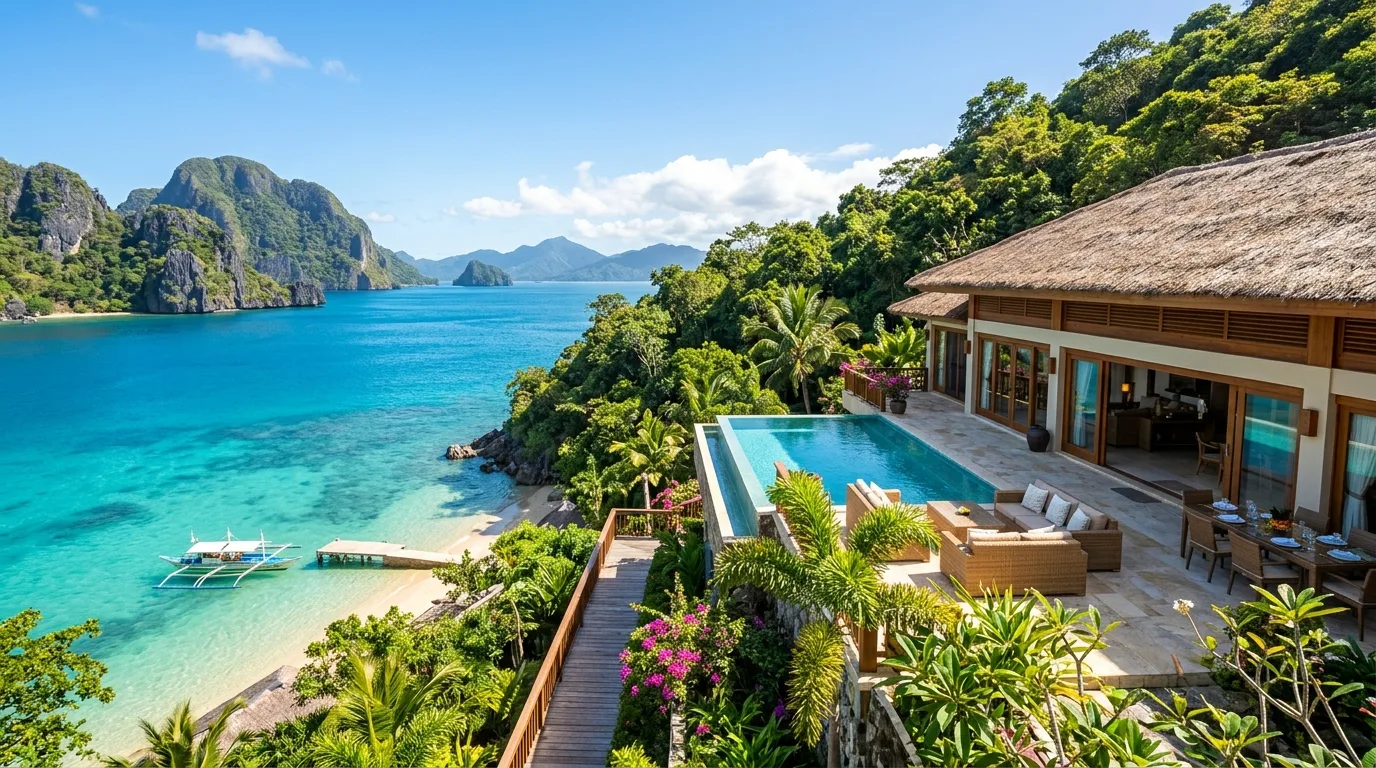
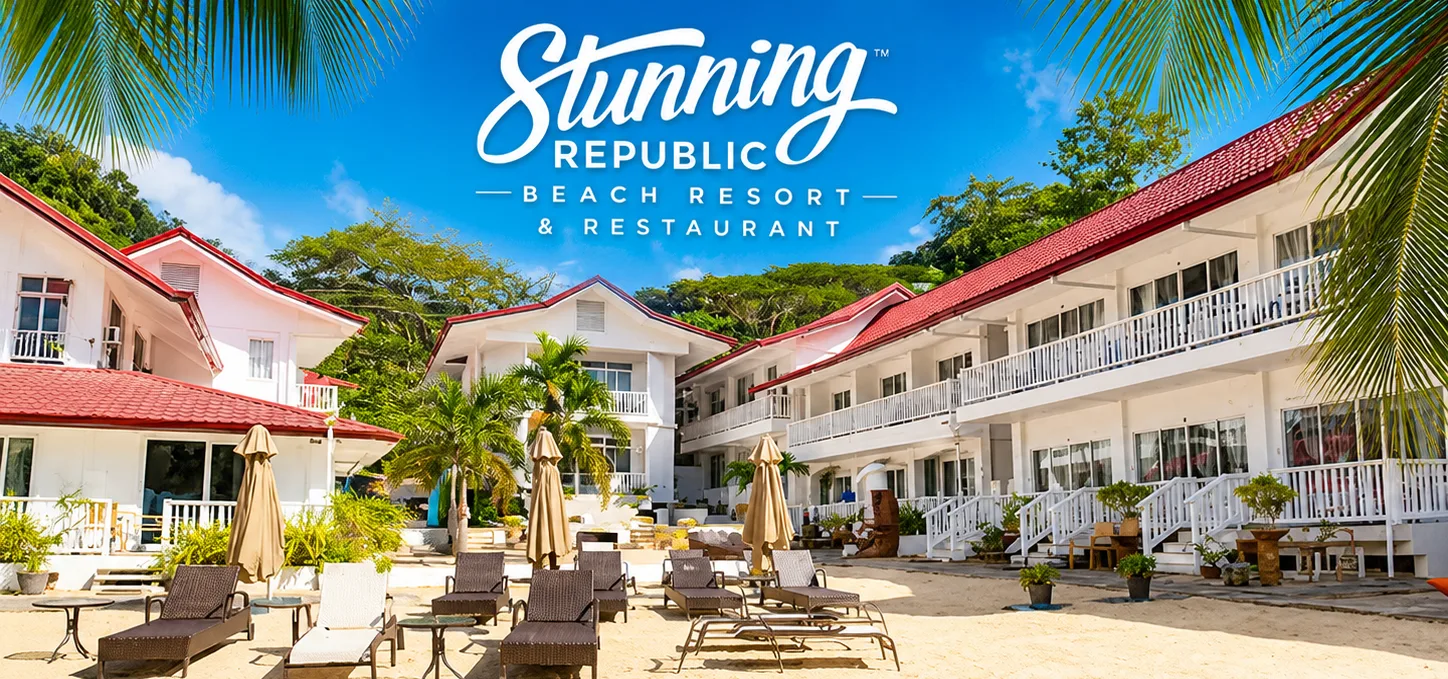
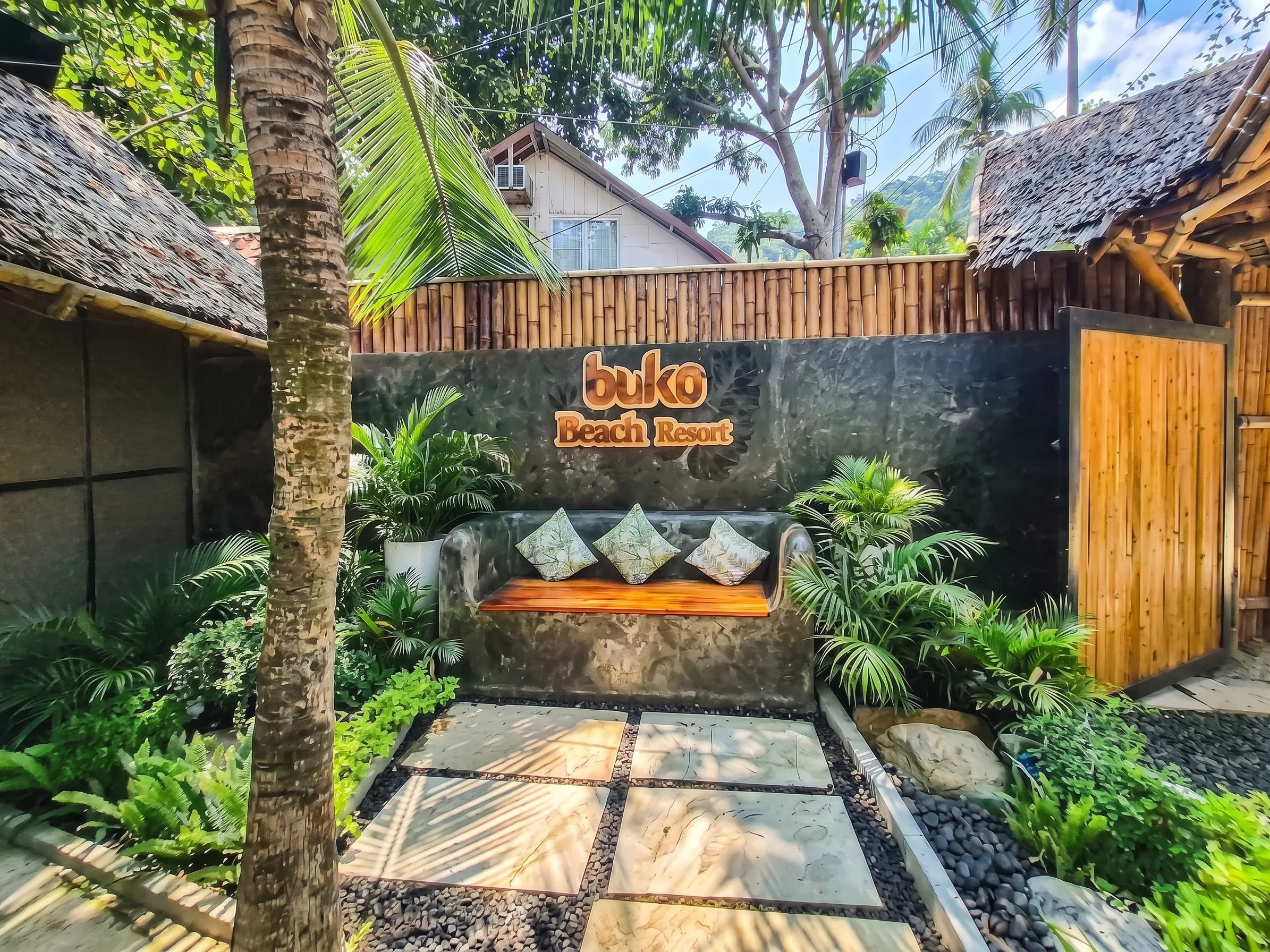
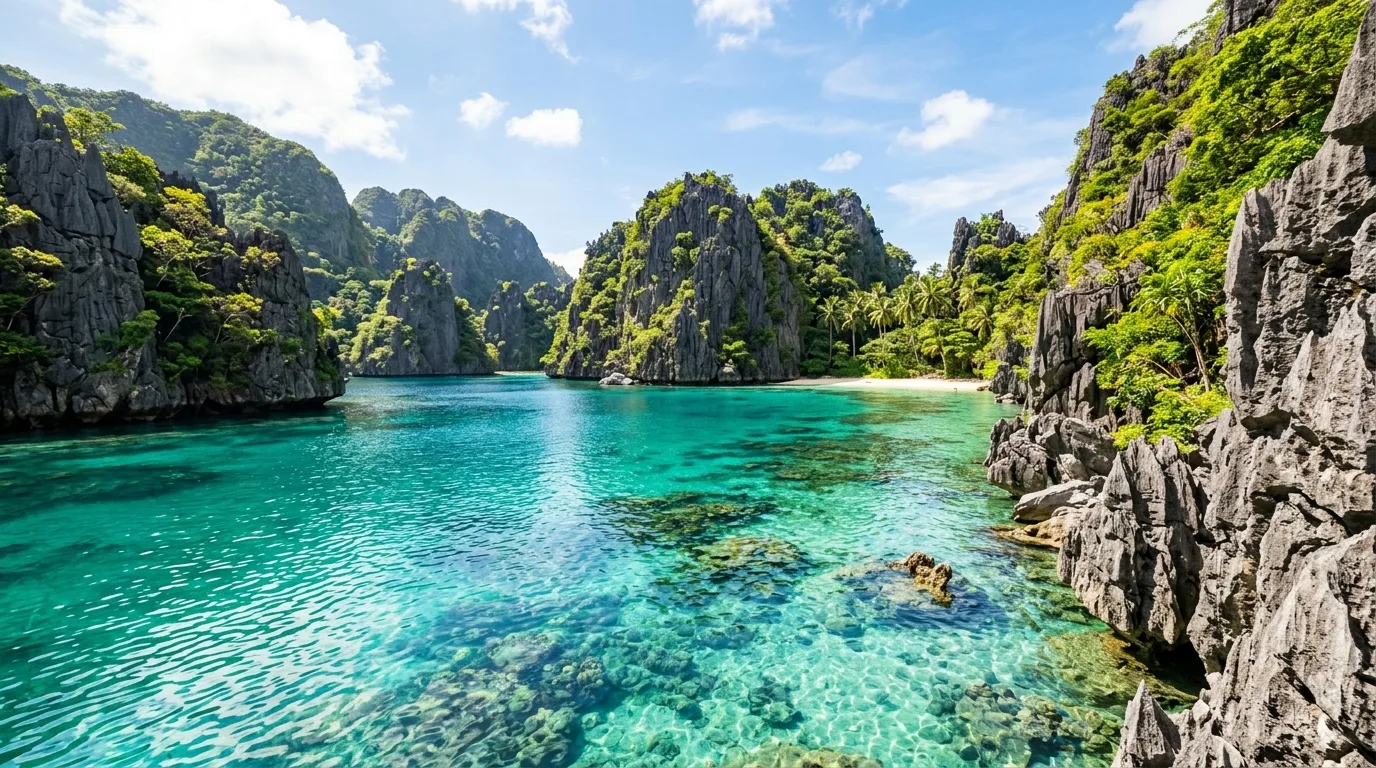
Establishing unified marine guidelines directly benefits the country's world-class island destinations, where coastal ecosystems draw millions of international and domestic vacationers annually. Sustainable ocean management helps preserve crystal-clear waters and vibrant marine sanctuaries surrounding popular beach resorts in Palawan, Boracay, and Siargao. Responsible marine spatial planning prevents habitat degradation while allowing eco-friendly water sports, island-hopping tours, and diving expeditions to thrive safely. Tourists visiting these tropical havens can enjoy pristine white sand shores and undisturbed marine life, knowing strong environmental safeguards are in active effect. Protecting natural coastal capital guarantees that premier seaside destinations remain breathtaking for generations of travelers to come.
Boosting Coastal Lifestyle Dining Famous Stores And Waterfront Hotspots
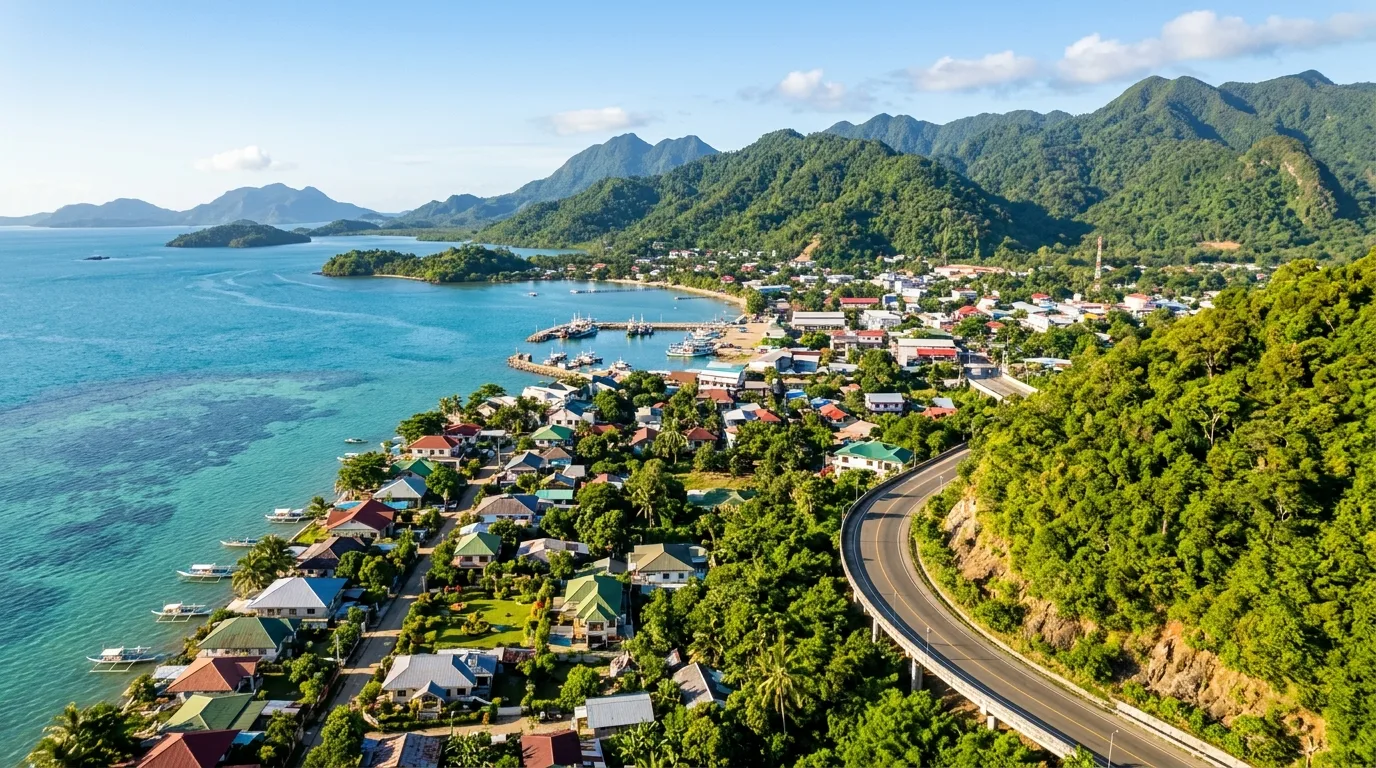
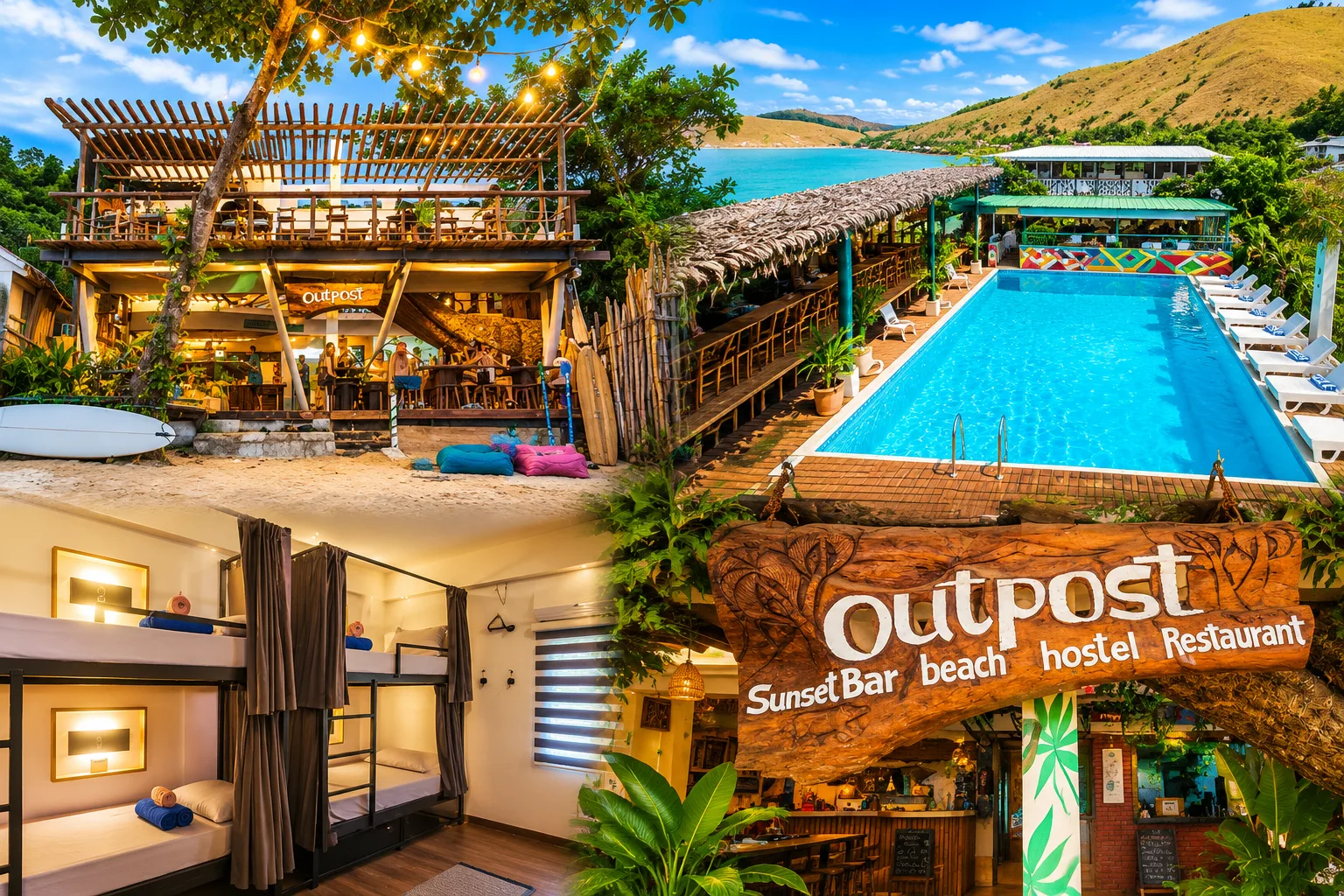
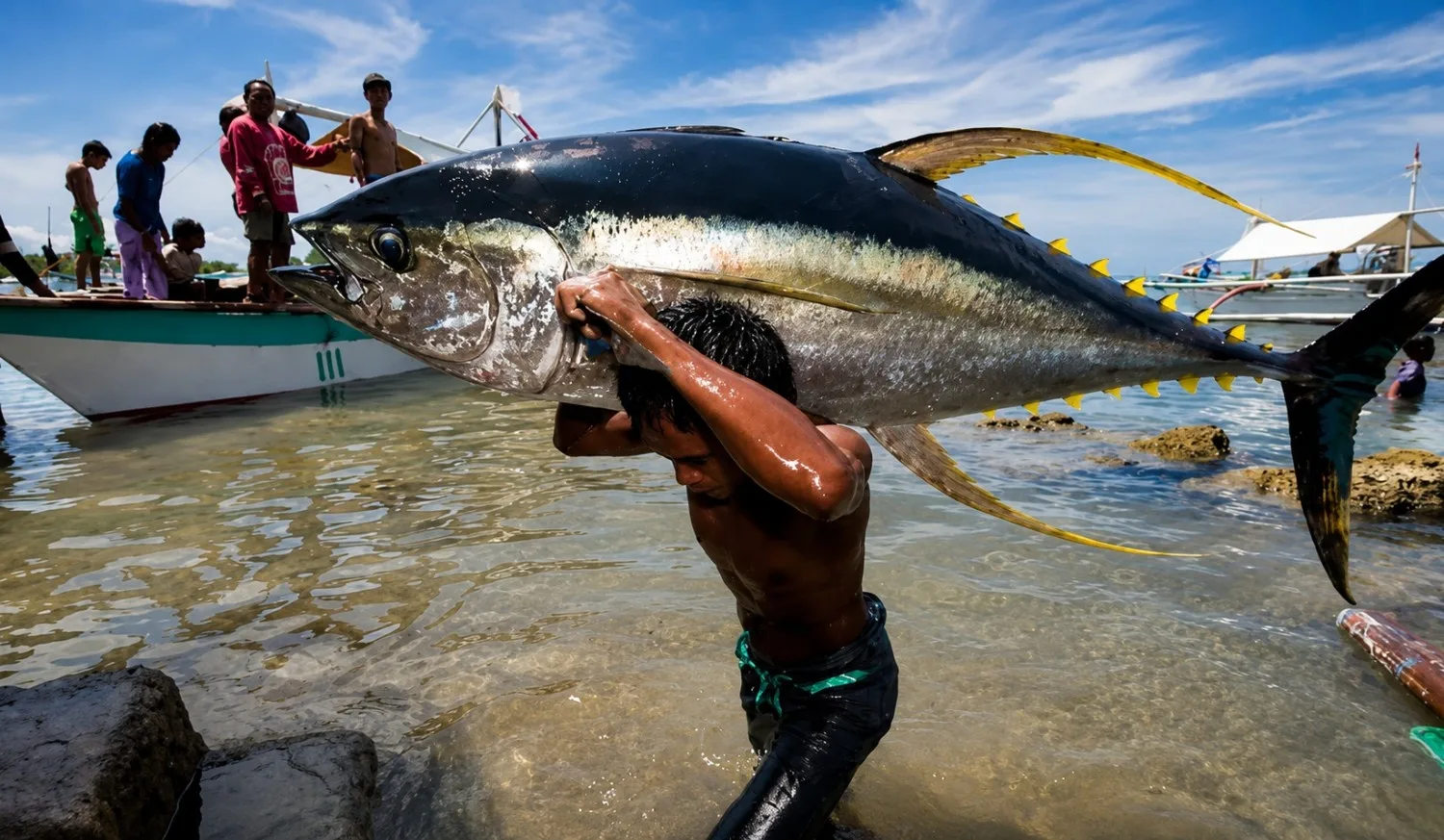
A thriving blue economy injects fresh vitality into coastal commercial hubs, seaside restaurants, and neighborhood cafes located along bustling baywalks. Sustainable fisheries management ensures a steady supply of fresh, high-quality seafood for local eateries, beachside grills, and specialty dining spots. Artisanal gift shops and famous local stores selling handcrafted pearl jewelry and eco-friendly souvenirs gain increased foot traffic from conscious travelers. Boutique oceanfront hotels and cozy harbor cafes benefit as well, offering visitors peaceful spots to relax while supporting local green businesses. This harmonious balance between nature conservation and vibrant commercial activity strengthens regional economies across the entire archipelago.