


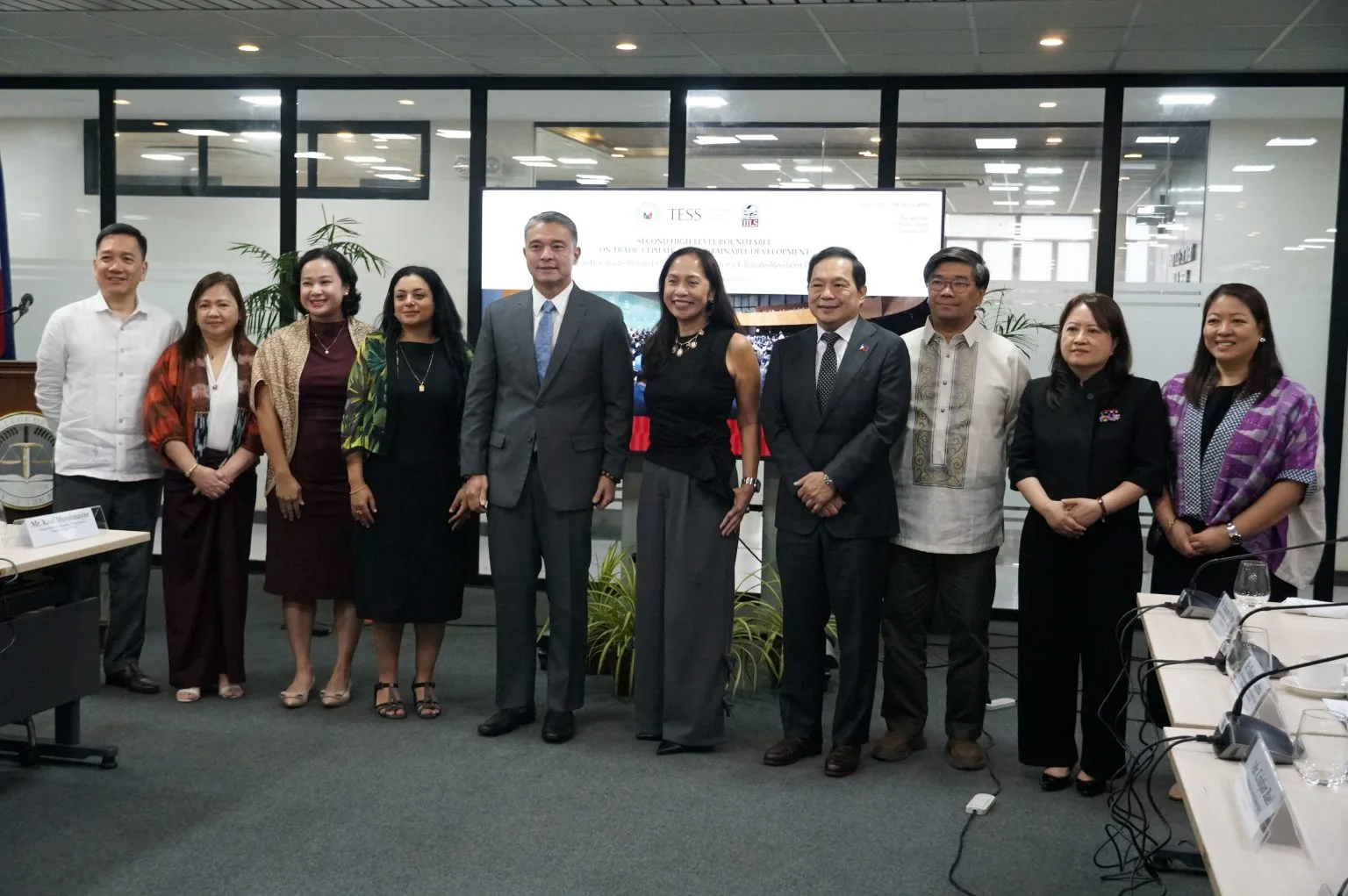
GENEVA — The Philippine Mission to the World Trade Organization is advancing a comprehensive Trade‑Climate Strategy designed to align the country’s trade and investment policies with its climate goals. The initiative, discussed at a high‑level roundtable in Manila on July 9, 2026, aims to turn the Philippines’ climate vulnerability into a competitive advantage.
A Strategy Born from Global Realities
Ambassador Manuel A.J. Teehankee, the country’s permanent representative to the WTO, said the strategy moves beyond describing climate risks and focuses on actionable policies. He stressed that the goal is to translate national commitments into concrete regulatory reforms, investment priorities, and international partnerships. The strategy uses trade policy as a tool to implement the Philippines’ Nationally Determined Contribution and energy transition plans.
The approach recognizes that global markets increasingly demand sustainability. DENR Secretary Juan Miguel T. Cuna noted that coherence between what a country trades and its environmental commitments is becoming a prerequisite for market access. The DENR has established a Climate Change and Trade Oversight Committee to ensure whole‑of‑government coordination on these issues.
Key Sectors and Green Instruments
The strategy focuses on priority value chains: energy, agriculture and fisheries, electronics, and services and creative industries. For each sector, participants in the roundtable examined how customs procedures, investment incentives, and regulatory reforms can support both climate and competitiveness goals. The plan also emphasizes shared carbon accounting and traceability systems to reduce compliance costs for micro, small, and medium enterprises.
Energy Secretary Sharon S. Garin highlighted that the low‑carbon transition can modernize Philippine industries, create quality jobs, and strengthen competitiveness in emerging global markets. The strategy includes the use of high‑integrity carbon credits, Renewable Energy Certificates, and sustainable finance taxonomies to attract investment. Robust measurement and verification systems will guard against greenwashing and double counting.
From Vulnerability to Leadership
Ambassador Teehankee emphasized that the Philippines is shifting from a narrative of climate vulnerability to one of trade‑climate leadership. The strategy identifies opportunities for the country to become a regional hub for carbon accounting, sustainability reporting, climate‑risk analytics, and green finance advisory. These services can create new export revenues and skilled employment.
The roundtable also called for streamlined permitting for renewable energy equipment, stronger grid infrastructure, and financing solutions suited to projects at different stages of transition. The strategy’s next phase will develop an institutional architecture for sustained inter‑agency coordination and structured engagement with business and civil society.
