CEBU — Government agencies and the Cebu Provincial Government are joining forces to move the province's coconut industry beyond traditional copra production. The initiative, anchored in the Coconut Farmers and Industry Development Plan (CFIDP) 2024-28, aims to empower coconut farmers and entrepreneurs to create higher-value products and access broader markets.
From Copra to Cocopreneurs
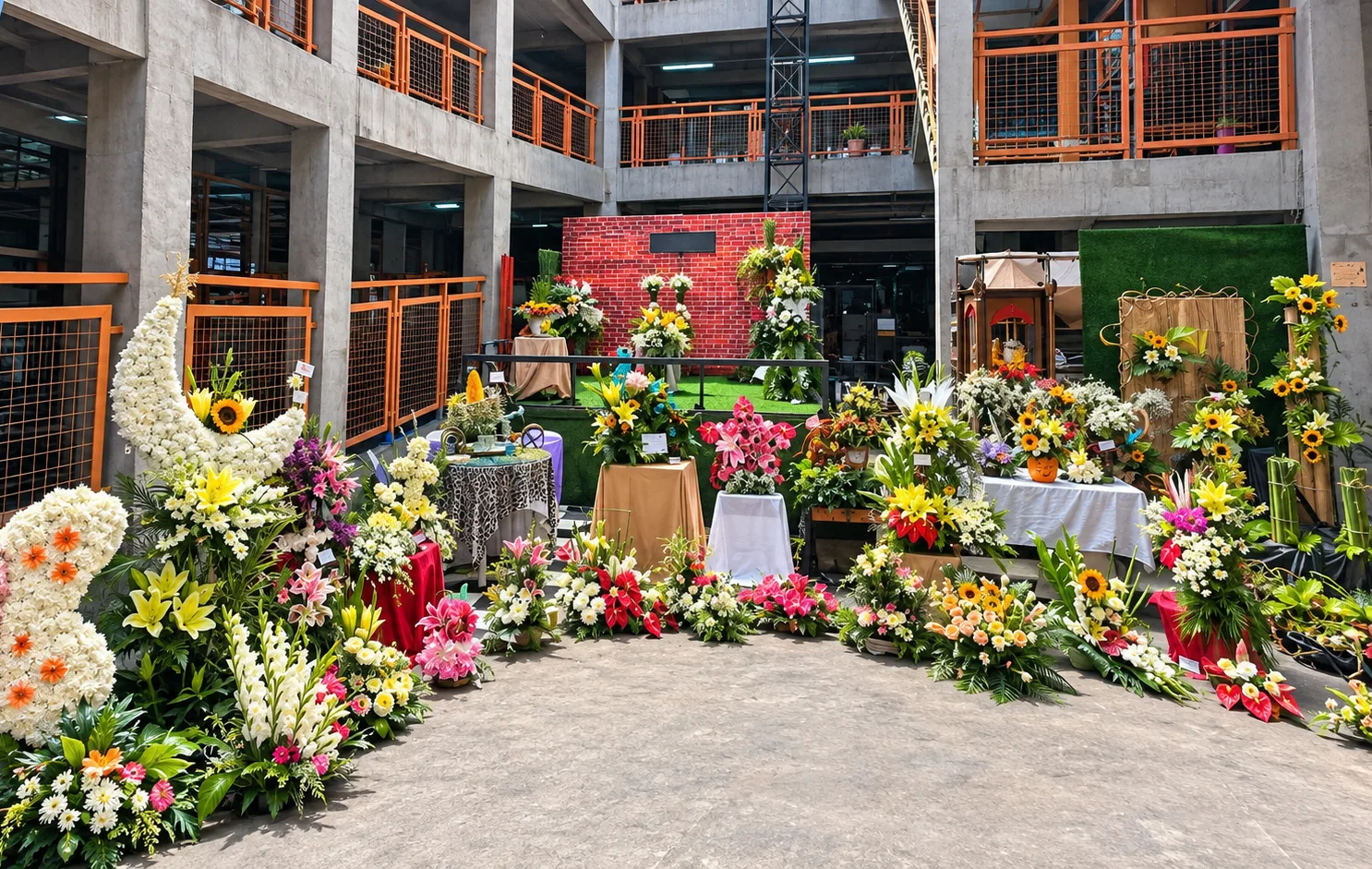
Department of Trade and Industry (DTI) 7 Assistant Regional Director Epifania F. Suralta emphasized the need to build micro, small, and medium enterprises—or "cocopreneurs"—around the industry. "Producing is only part of the equation. We also need to create MSMEs or cocopreneurs," she said during the Coco Negosyo-Cebu Coconut Market Expo. The event brought together farmers, cooperatives, and coconut-based MSMEs to showcase products and connect with buyers.
The goal is to move beyond selling raw copra and instead develop brands that command higher prices. Opportunities span food and beverages, coconut oil, virgin coconut oil, coconut sugar, fiber, charcoal, and handicrafts. These value-added products create new income streams and strengthen the local economy.
A Billion-Peso Industry Under Pressure
Philippine Coconut Authority (PCA) Regional Manager III Aurora L. Paquibot shared significant data. Cebu has 44,883 registered coconut farmers. Approximately 30,250 hectares are planted with coconut, containing about 3 million coconut palms. Last year, the province harvested around 89.26 million nuts.
In terms of economic value, the coconut industry contributes nearly a billion pesos annually to Cebu's economy. However, Paquibot stressed that the industry must innovate. "We cannot remain a copra-based economy. We really have to value-add something for our coconut products," she stated.
Addressing Challenges Through Infrastructure
The sector faces significant hurdles: aging trees and farmers, pests and diseases, climate change, and poverty among growers. Cebu Provincial Consultant on Agriculture and Livelihood Grecilda Sanchez said market access and post-harvest support are critical. Farmers need assurance that their harvests have a ready market.
To address this, the province is pursuing a Mega Food Hub. This facility will connect farmers directly to markets and improve processing, storage, and distribution capabilities. Plans for agro-economic zones are also being explored, including one in Argao and another proposed for midwestern Cebu.
Positioning Cebu's Coconut Industry for Growth
These infrastructure investments are designed to transform the coconut value chain. The agro-economic zones will create hubs for processing and commerce, attracting investment and generating local employment. This integrated approach supports rural development and strengthens food security.
The shift toward value-added production and strategic infrastructure positions Cebu's coconut industry for sustainable growth. It is a forward-looking strategy that balances immediate farmer support with long-term economic resilience. The province is building a foundation for a more dynamic, value-creating future.