Making Handwashing Convenient in Shared Spaces
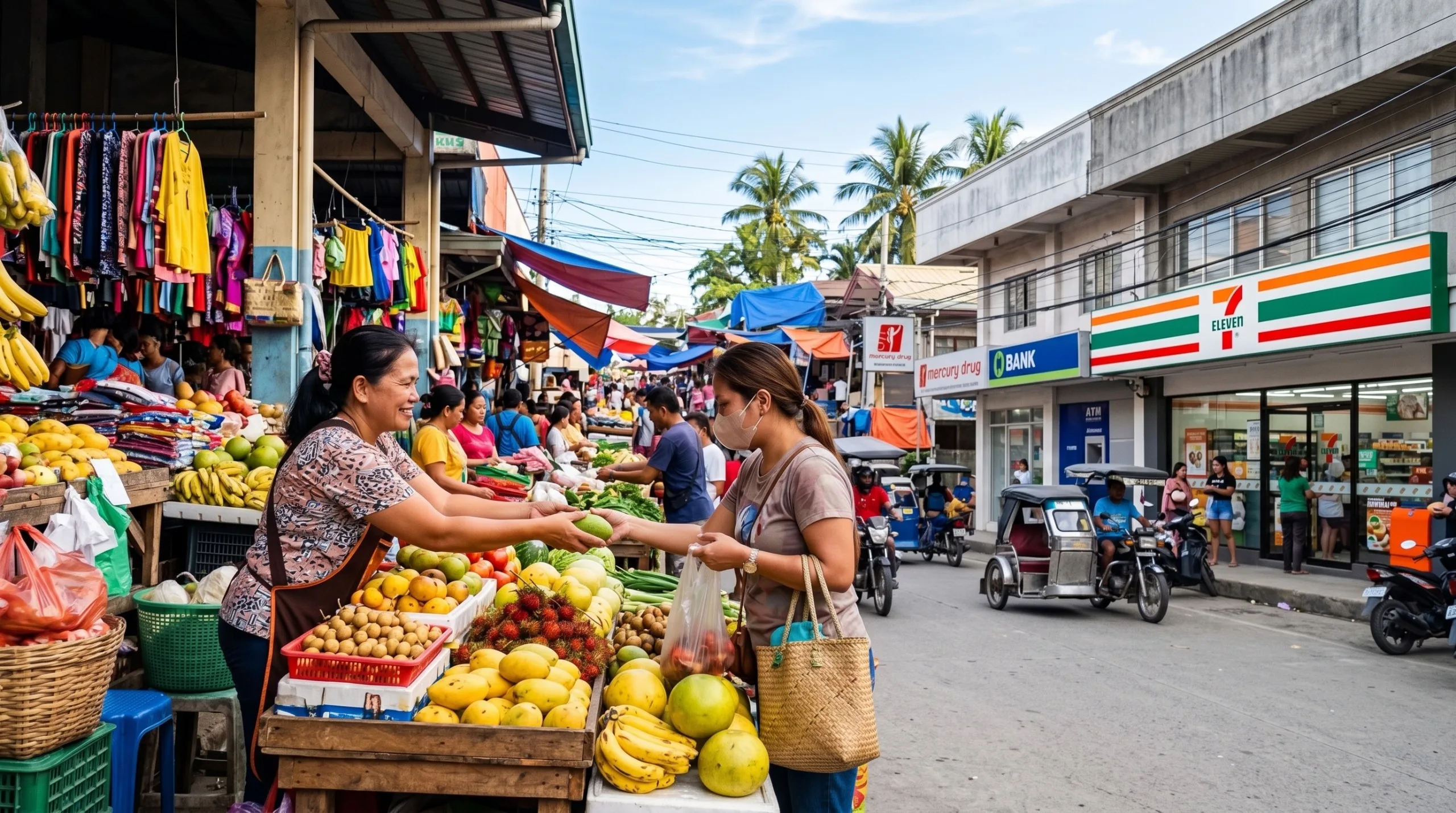
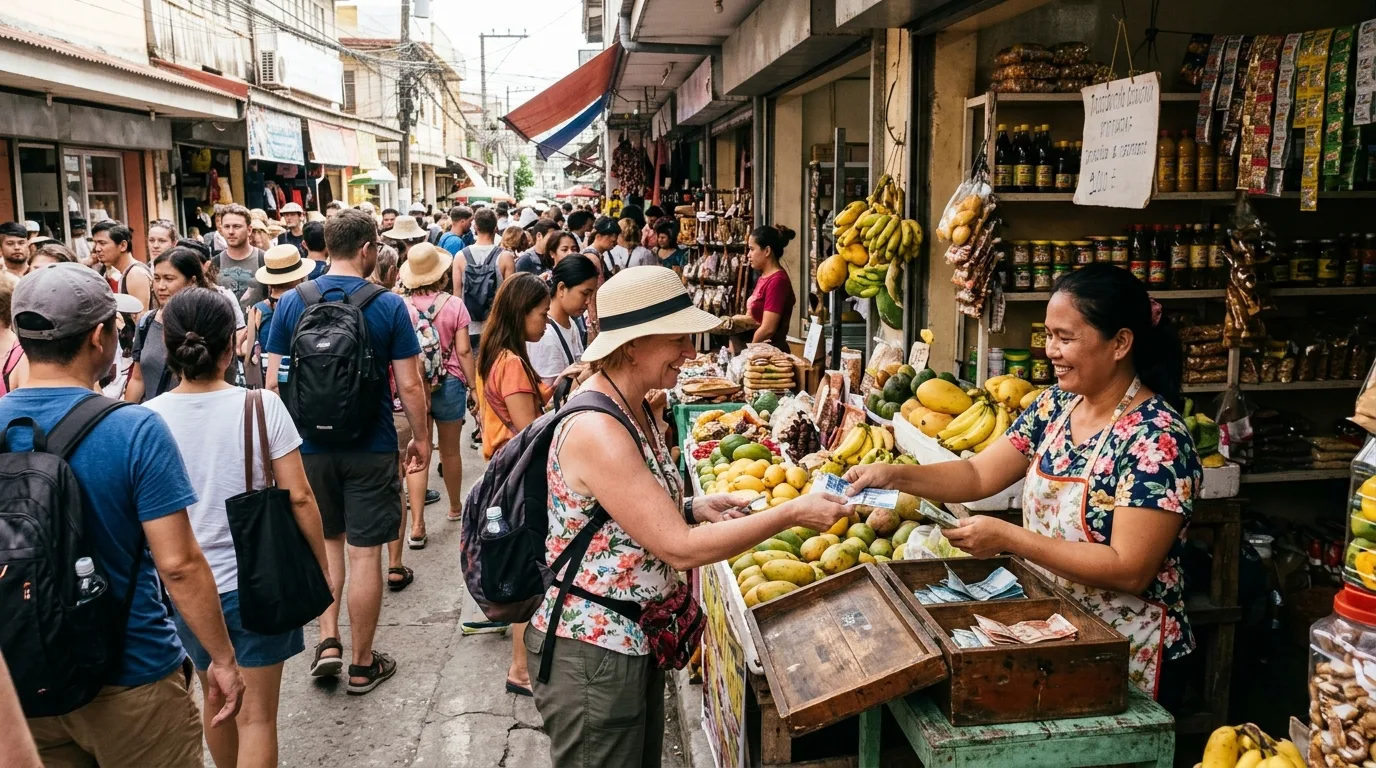
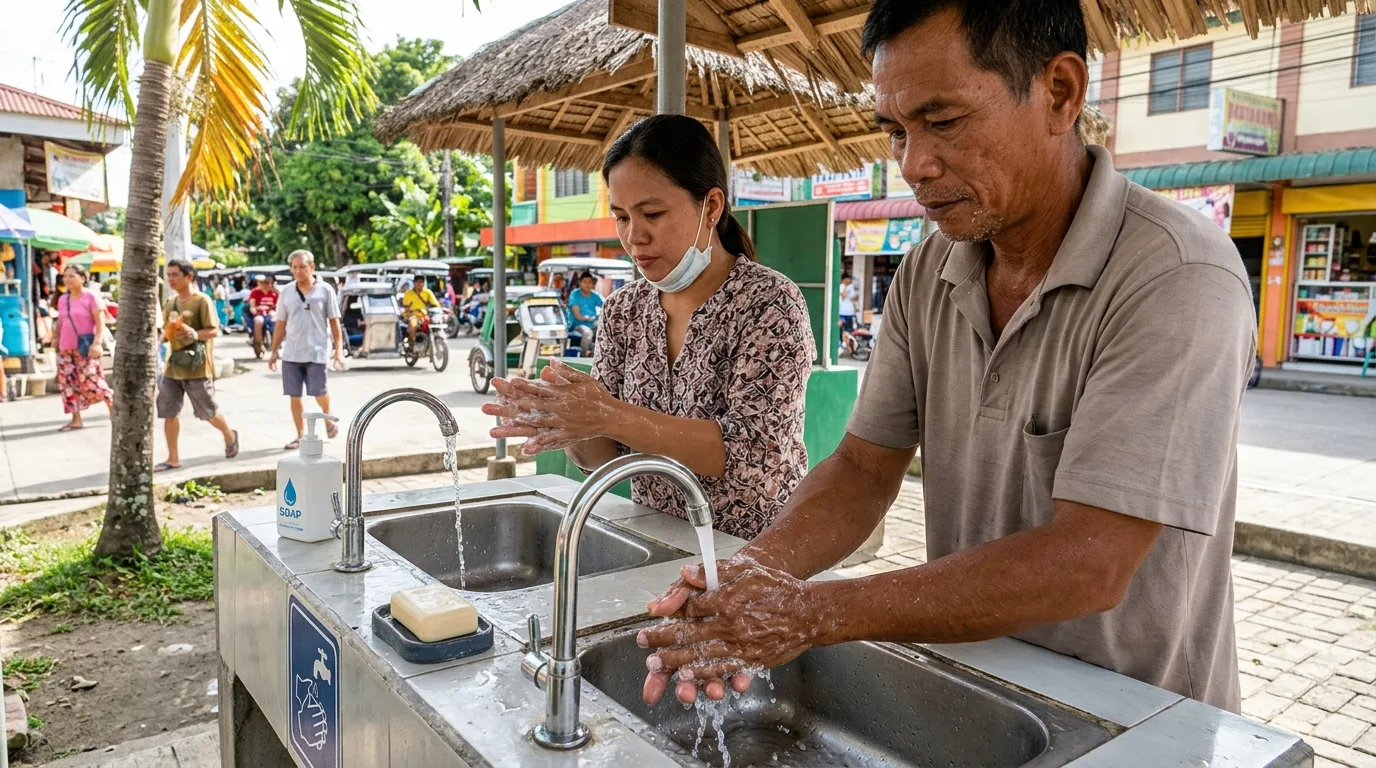
BOHOL - Public handwashing stations make it easier for people to practice proper hygiene while going about their daily activities. Facilities placed near public markets, schools, bus terminals, food establishments, and community centers allow individuals to wash their hands without needing to return home or search for a private restroom. This convenience is particularly valuable in places where many people gather, handle goods, prepare food, or share equipment. When stations are visible, accessible, and supplied with clean water and soap, they can encourage more people to make handwashing part of their regular routine.
Helping Prevent the Spread of Germs
Hands can pick up germs after touching contaminated surfaces, handling waste, using shared facilities, or coming into contact with other people. Washing with soap and clean running water helps remove dirt and microorganisms that may cause illness. Public handwashing stations therefore serve as an additional layer of protection in busy community spaces, particularly before meals and after using the toilet. However, their effectiveness depends on proper use, regular cleaning, reliable water supplies, and the availability of soap. Clear reminders and simple handwashing instructions can also help children and adults develop better hygiene habits.
Maintaining Clean and Accessible Community Facilities
Installing public handwashing stations is only the first step; keeping them functional is equally important. Local governments, schools, business owners, and community organizations can establish regular maintenance schedules to refill soap dispensers, clean sinks, check water connections, and repair damaged fixtures. Stations should also be designed with accessibility in mind, including appropriate heights, safe flooring, drainage, and features that accommodate children, older adults, and persons with disabilities. In Bohol, these facilities can complement broader sanitation and public health efforts by making hygiene more accessible in everyday locations. When communities work together to maintain them, public handwashing stations become practical resources that support cleanliness, prevent illness, and encourage responsible habits.