Protection Begins With Cooperation
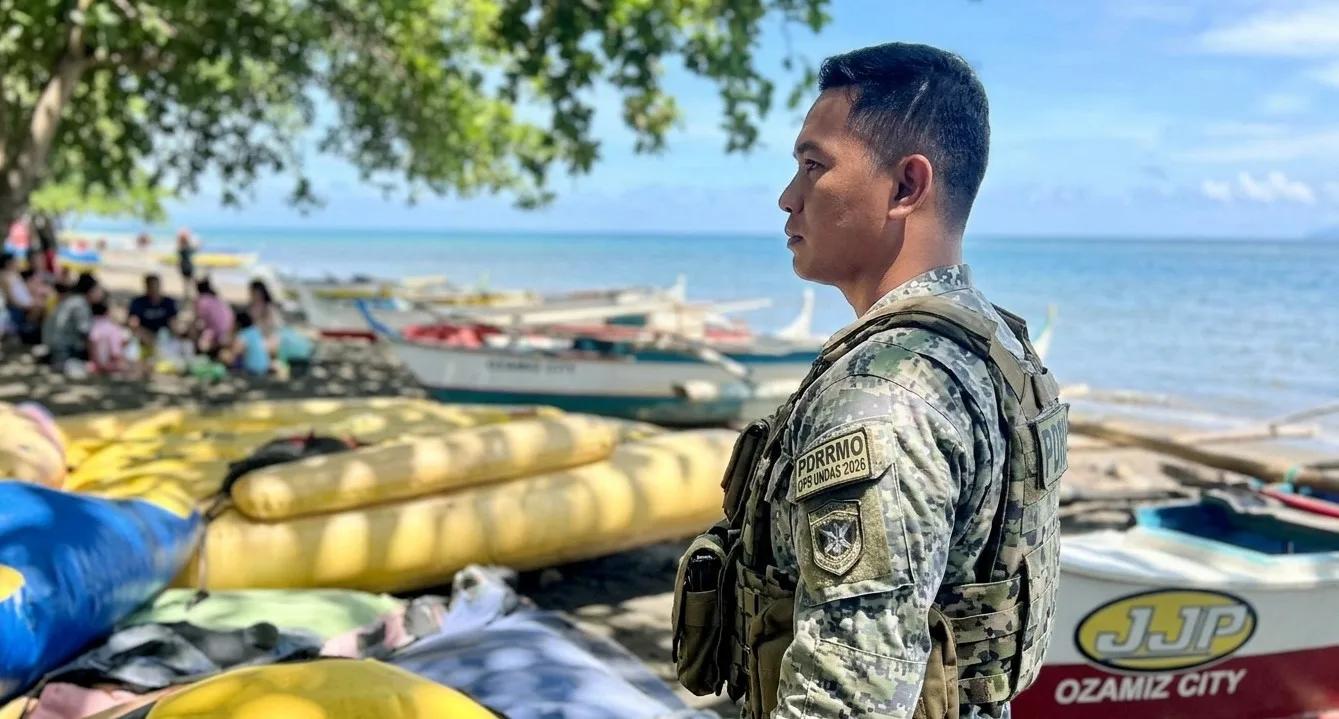
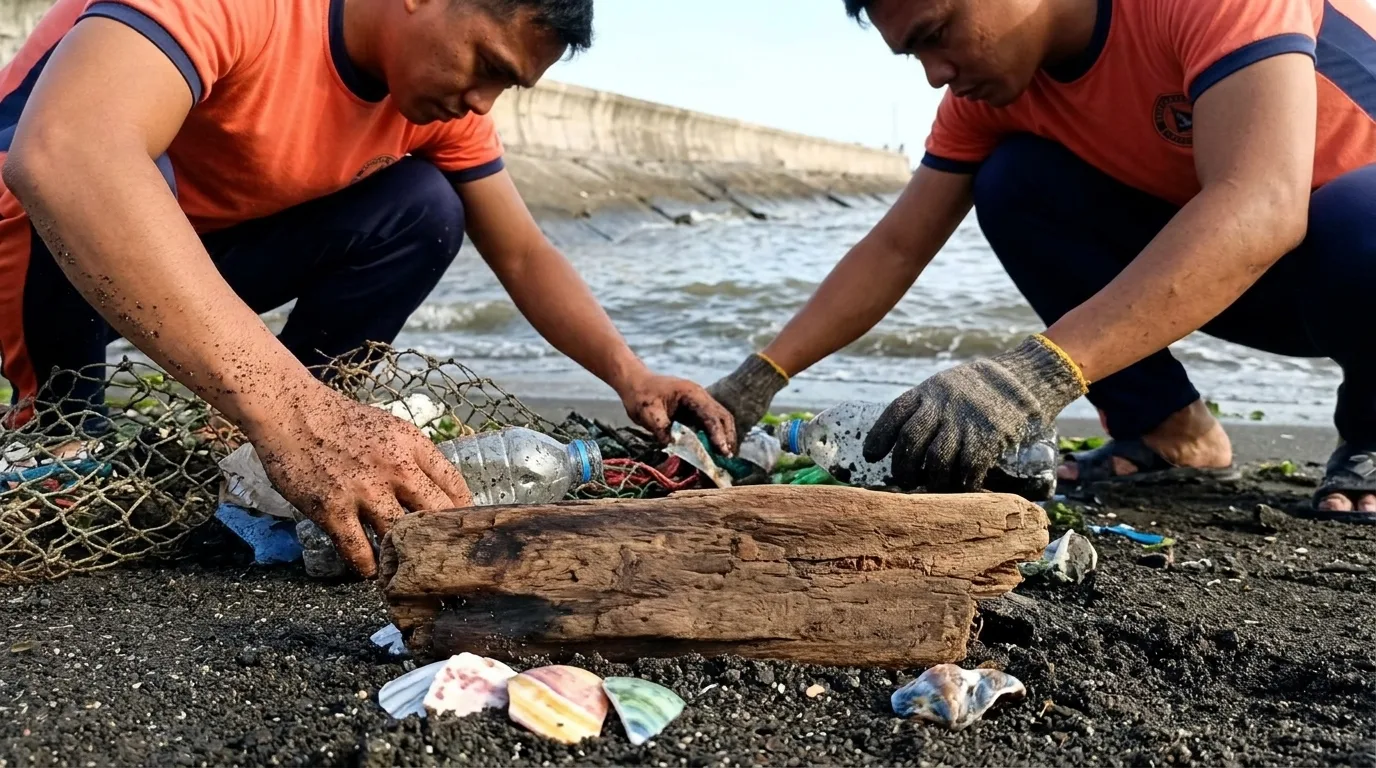
OZAMIZ CITY- Marine protection involves several responsibilities that cannot be handled by one organization alone. Coast Guard personnel contribute maritime knowledge and support environmental protection efforts, while partner agencies and community groups can provide local coordination, information, and assistance. A Philippine Coast Guard environmental operation documented in February 2026 brought together Coast Guard units, barangay volunteers, and students for cleanup activities that included Barangay El Triunfo in Ozamiz City. The wider operation collected 2,340 kilograms of waste across three locations in Northern Mindanao. It offers a concrete example of how different groups can contribute to a shared environmental purpose.
A Shared Commitment That Reaches the Community
The work of preserving marine resources becomes more meaningful when environmental responsibility extends beyond organized operations. Residents can contribute by disposing of waste properly, avoiding activities that pollute waterways, and reporting suspected environmental violations through appropriate channels. Local organizations, schools, businesses, and coastal groups can also support awareness activities and conservation initiatives. Through collaboration, CGSS Ozamiz and its partners can help encourage a culture in which protecting the sea is understood as a continuing responsibility rather than a one-day undertaking.
Safeguarding Marine Resources Beyond the Shoreline
A clean shoreline is only one part of marine conservation; protecting the waters also means addressing activities that can damage marine habitats and fisheries. The Bureau of Fisheries and Aquatic Resources has emphasized the importance of vessel monitoring, information sharing, and coordination among authorized agencies in efforts against illegal, unreported, and unregulated fishing. These measures help support the monitoring and enforcement work needed to protect aquatic resources. For coastal communities in Ozamiz, responsible fishing practices and awareness of marine regulations are important parts of preserving resources that support livelihoods.