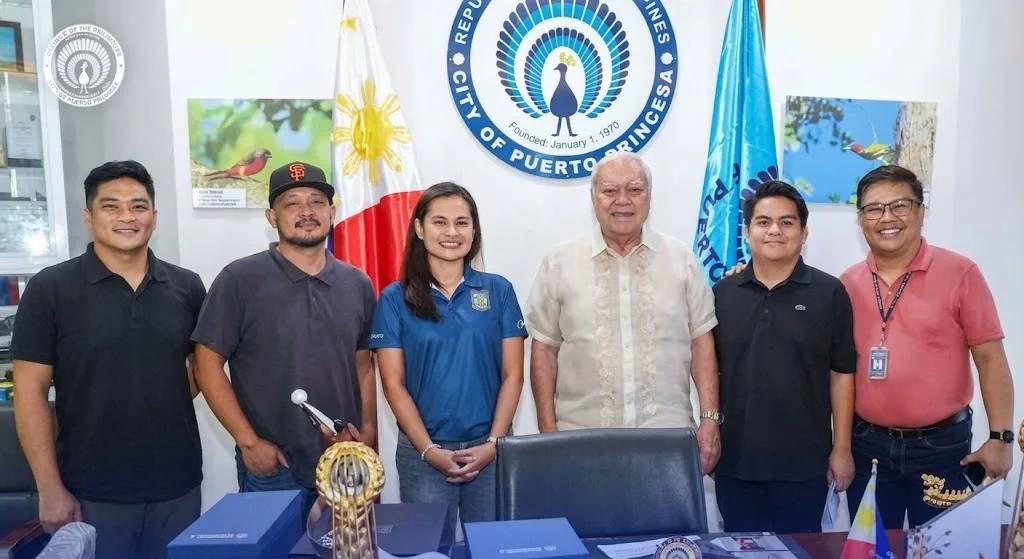
PALAWAN — Puerto Princesa City is advancing its commitment to disaster resilience and sustainable energy by integrating solar-powered infrastructure into its vital public facilities. Recognizing the increasing challenges of energy instability and the frequent threat of extreme weather, the City Disaster Risk Reduction and Management Office (CDRRMO) has deployed photovoltaic systems across its key operations centers. These solar installations, which serve the main hub at the old city hall and various satellite stations, ensure that essential public services remain functional even when the main grid is compromised. This strategic shift not only guarantees a reliable power supply for emergency response but also highlights the city’s proactive stance in creating a more sustainable and secure environment for its residents.
Strengthening Emergency Response With Reliable Off-Grid Power Solutions
The decision to equip the CDRRMO’s operations centers with solar power stems from a need to maintain constant readiness regardless of external energy conditions. By utilizing renewable energy, the city ensures that its disaster response teams, health sector satellite clinics, and emergency communication lines remain active during blackouts or fuel shortages. This move is part of a broader vision to make the city’s essential facilities "matibay" (durable) and "handa" (prepared) against the unpredictable nature of typhoons. As these facilities become less dependent on the conventional grid, they serve as a model for how local governments can use technology to protect public interest and safety.
Enhancing Educational Continuity Through Sustainable Energy Infrastructure
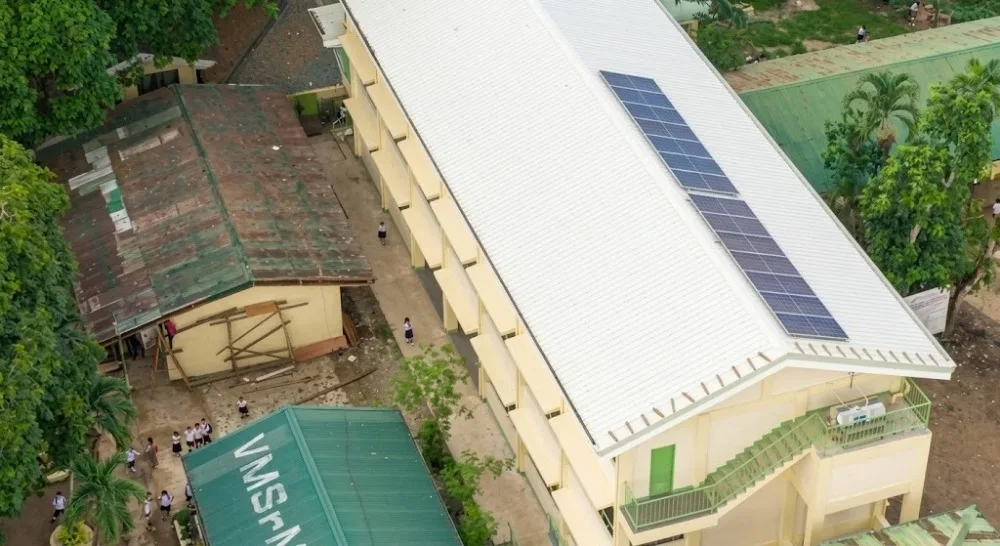
Beyond disaster response, Puerto Princesa and the broader Palawan region are prioritizing solar energy to support the education sector in geographically isolated areas. Through partnerships between government agencies like the Department of Information and Communications Technology (DICT) and international organizations, remote public schools are receiving solar-powered connectivity solutions, such as Very Small Aperture Terminals (VSAT). These systems provide not only electricity for lighting and digital tools but also free internet access, bridging the digital divide for students in far-flung barangays. This initiative ensures that even in remote island communities, the pursuit of education continues without the disruptions typically caused by limited power access.
Promoting Long-Term Sustainability Across Palawan’s Ecological Frontier
Palawan’s status as the country’s "last ecological frontier" drives the local push for renewable energy sources that minimize reliance on costly and carbon-heavy diesel fuel. By transitioning schools and public buildings to solar power, the city and its partners are fostering a culture of environmental stewardship while simultaneously reducing operational costs. These projects also demonstrate that renewable energy is both a practical and resilient choice for regions vulnerable to climate change. As more local facilities adopt these clean energy standards, Puerto Princesa continues to solidify its reputation as a leader in sustainable development and community-focused infrastructure innovation.