


Three Days Focused on One Coordinated Response
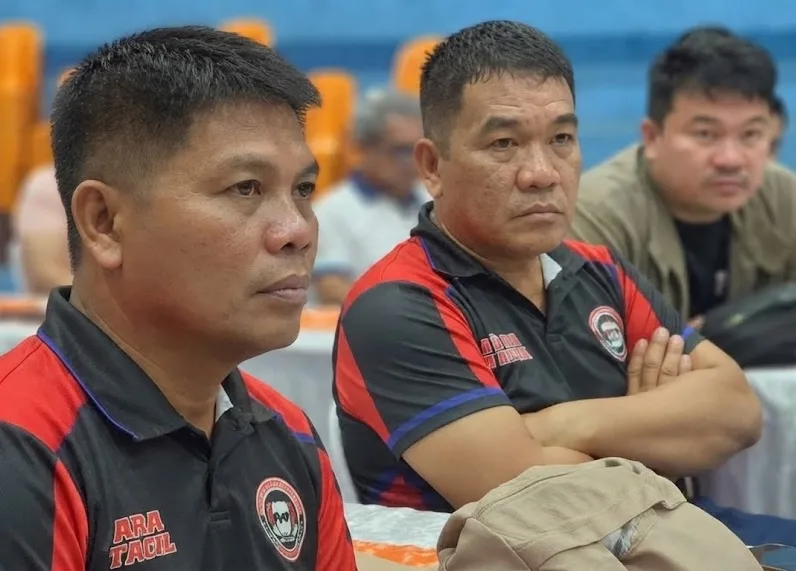
OZAMIZ CITY - The three-day Basic Incident Command System training introduces participants to a standardized approach for managing incidents, particularly when emergencies require several people or organizations to work together. The training is being conducted through the Office of Civil Defense and Ozamiz CDRRMO, creating an opportunity for participants to become more familiar with a common structure for responding to crises and disasters. City Councilor Mars Tapayan, who shared a message during the activity, emphasized the importance of ICS in managing incidents whether they are caused by natural hazards or human activity. The focus is practical: bringing different response responsibilities into a coordinated system when situations become demanding.
Learning From People With Field Experience
The training also brings together resource speakers and ICS cadres with experience in emergency management and related public-service roles. They include Archie S. Ajias, Training Course Monitor and ICS Cadre; PLtCol Mardy Hortillosa II, ICS Cadre and Commanding Officer of the 1st PMFC Misamis Occidental; Julibert Castillon, ICS Cadre and LDRRMO/MPDC of Aloran; and Gerry Mae L. Pasco, ICS Cadre and CRRMO Consultant of OCM-LGU Ozamiz. Their participation gives the course a mix of disaster-management, law-enforcement, local-government, and emergency-response perspectives. City Councilor John Fel Duhaylungsod and City Administrator Rutheza Grace A. Ouano also attended, reflecting the city government’s participation in the training.
Preparedness Starts Before the Emergency Call
Incident Command System training is valuable because emergencies rarely arrive in neat, predictable circumstances. A flood, fire, earthquake, accident, or human-caused incident can involve multiple teams and responsibilities at the same time, making coordination an important part of response work. The Ozamiz training gives participants a dedicated period to study a common command framework rather than relying only on individual experience during an actual emergency. It is not being presented as proof that the city is already prepared for every possible scenario; instead, the three-day course represents a concrete opportunity to strengthen knowledge before that knowledge is ever needed in a real situation.
