Accessibility Became a Major Housing Advantage
Residents increasingly prefer locations near transportation routes, workplaces, schools, and commercial establishments to reduce travel time and transportation expenses. Accessibility now strongly influences both rental demand and residential pricing patterns. Housing value increasingly depends on convenience and mobility together. Daily routine plays a major role in where people choose to live. Urban lifestyles continue becoming more time-conscious.
Mixed-Use Areas Attract More Residents
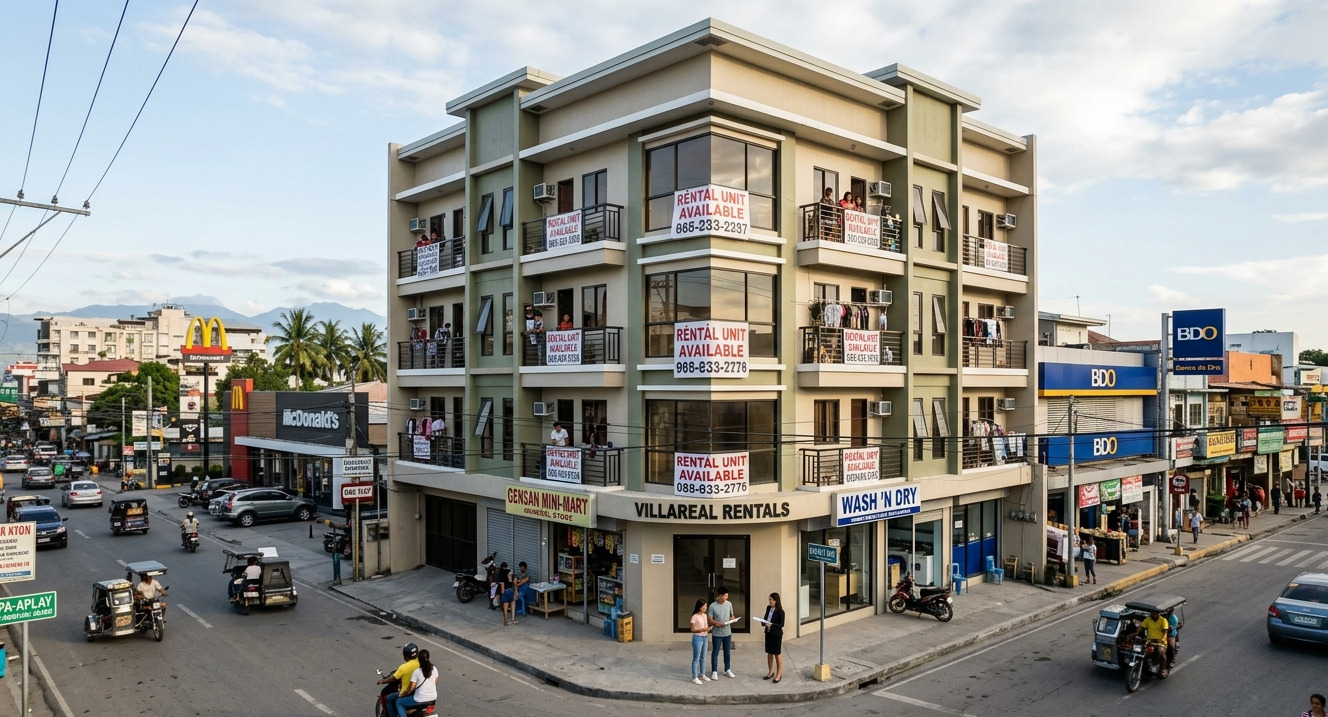
Neighborhoods combining residential, commercial, and service spaces continue becoming more appealing because they reduce the need for long commutes. Many renters appreciate environments where groceries, dining, banking, and transportation remain easily accessible. Urban housing trends increasingly favor integrated living spaces overall. Convenience now affects long-term residential satisfaction heavily. Communities evolve around accessibility naturally.
Rental Culture Continues Expanding
In General Santos, renting is increasingly viewed as a flexible housing option rather than only a temporary arrangement. Students, professionals, and relocating workers continue contributing to active rental demand across the city. Housing culture is gradually becoming more adaptable to changing work and lifestyle patterns. Residential flexibility now appeals to wider demographics. Urban growth continues influencing housing behavior quietly.