Bringing Agencies Together for Climate Assessment
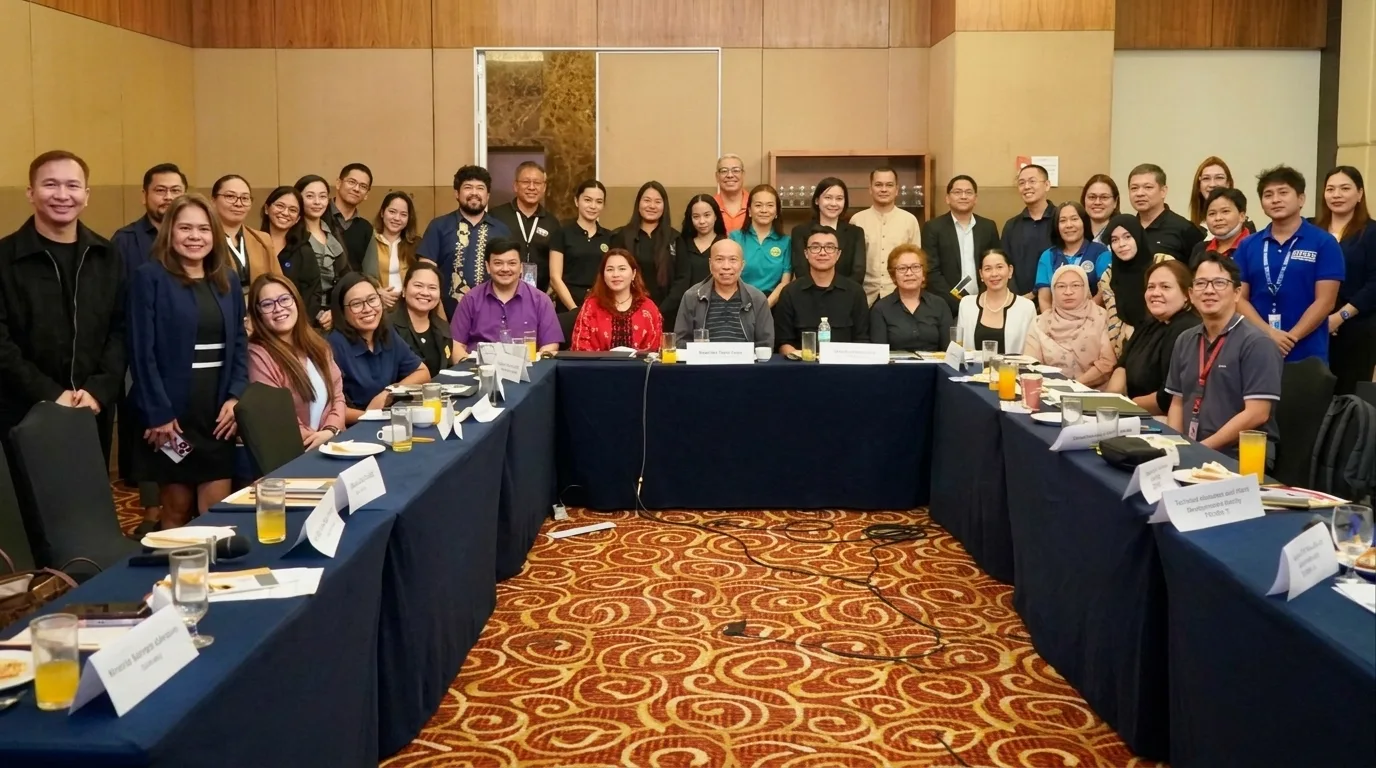
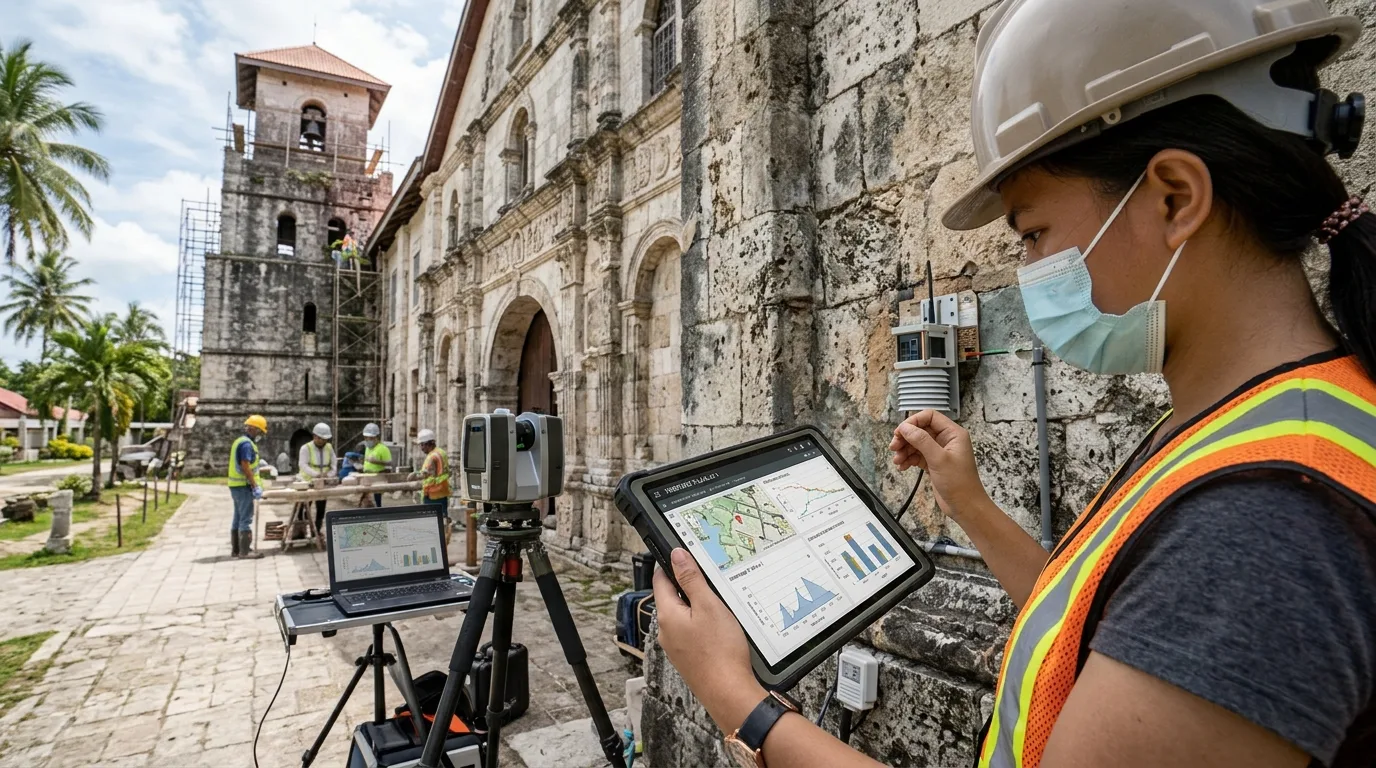
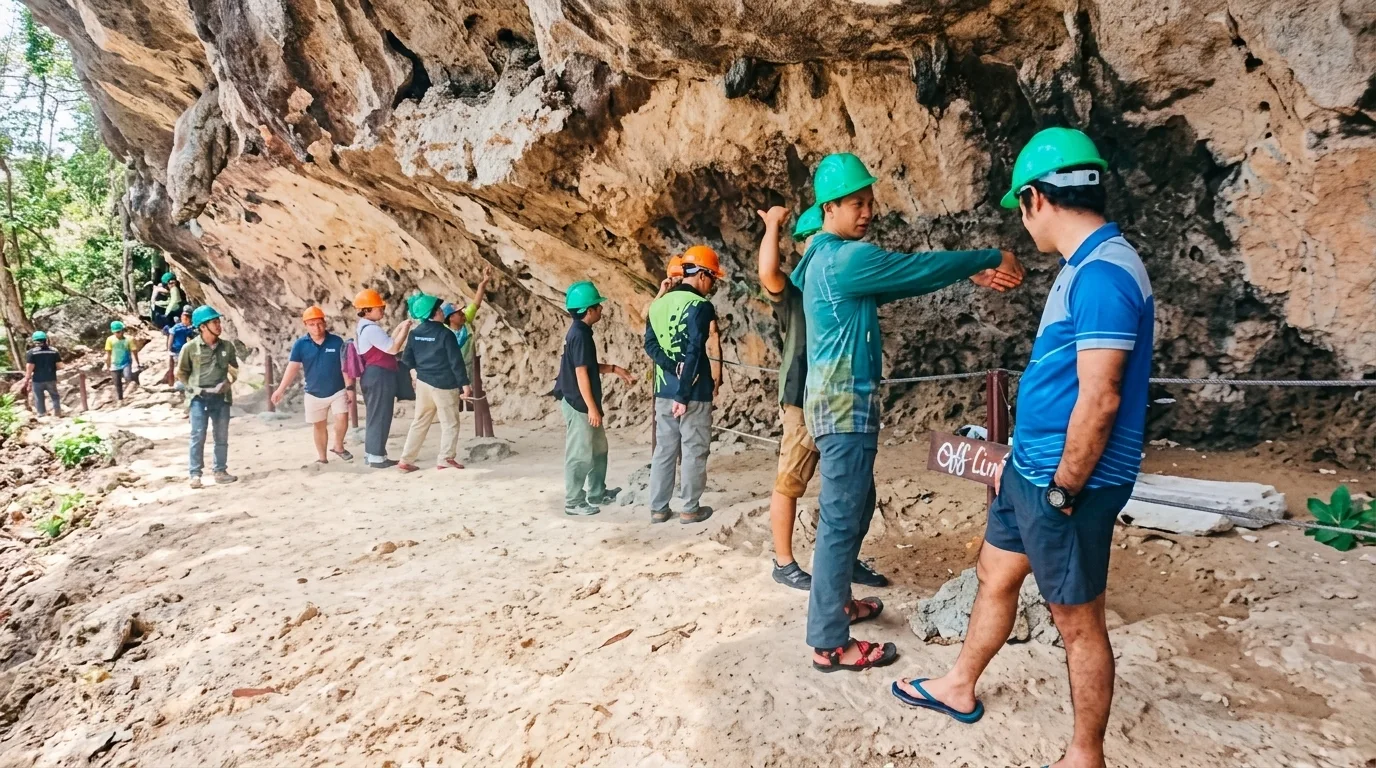
BOHOL - The Provincial Government conducted a Climate Vulnerability and Risk Assessment (CVRA) of identified tourism sites under the Development of a Climate-Resilient Community-Based Geotourism Circuit. The assessment involved the Bohol Provincial Tourism Office (BPTO), Bohol Provincial Environment Management Office (BPEMO), Philippine Atmospheric, Geophysical and Astronomical Services Administration (PAGASA), Department of Tourism (DOT), Provincial Disaster Risk Reduction and Management Office (PDRRMO), Provincial Planning and Development Office (PPDO), and Provincial Engineering Office (PEO). An orientation was held on October 12, 2026, at the PDRRMO to discuss assessment procedures, inspection schedules, and the tools and criteria for evaluating the selected destinations.
Evaluating Natural Attractions Across Five Municipalities
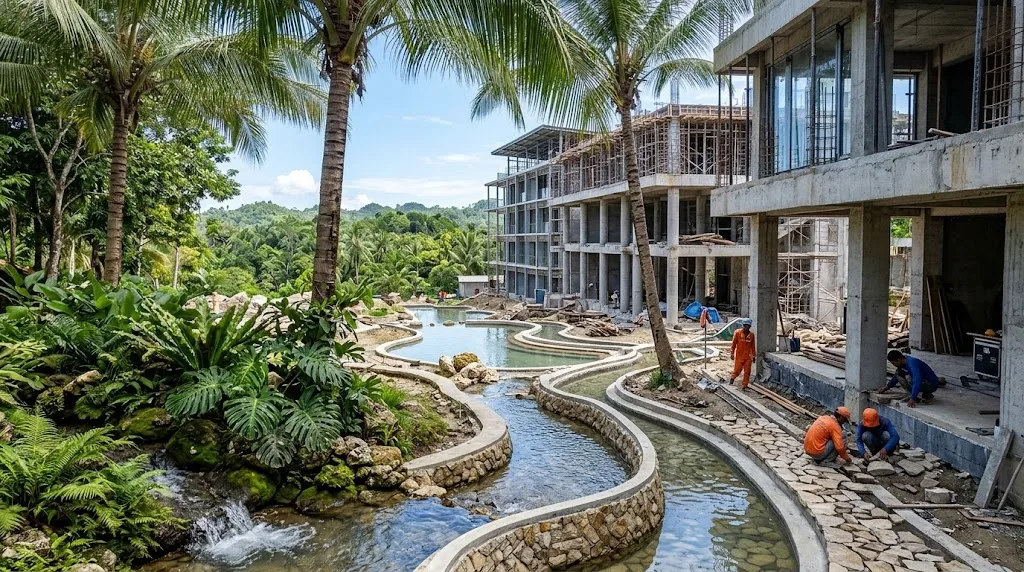
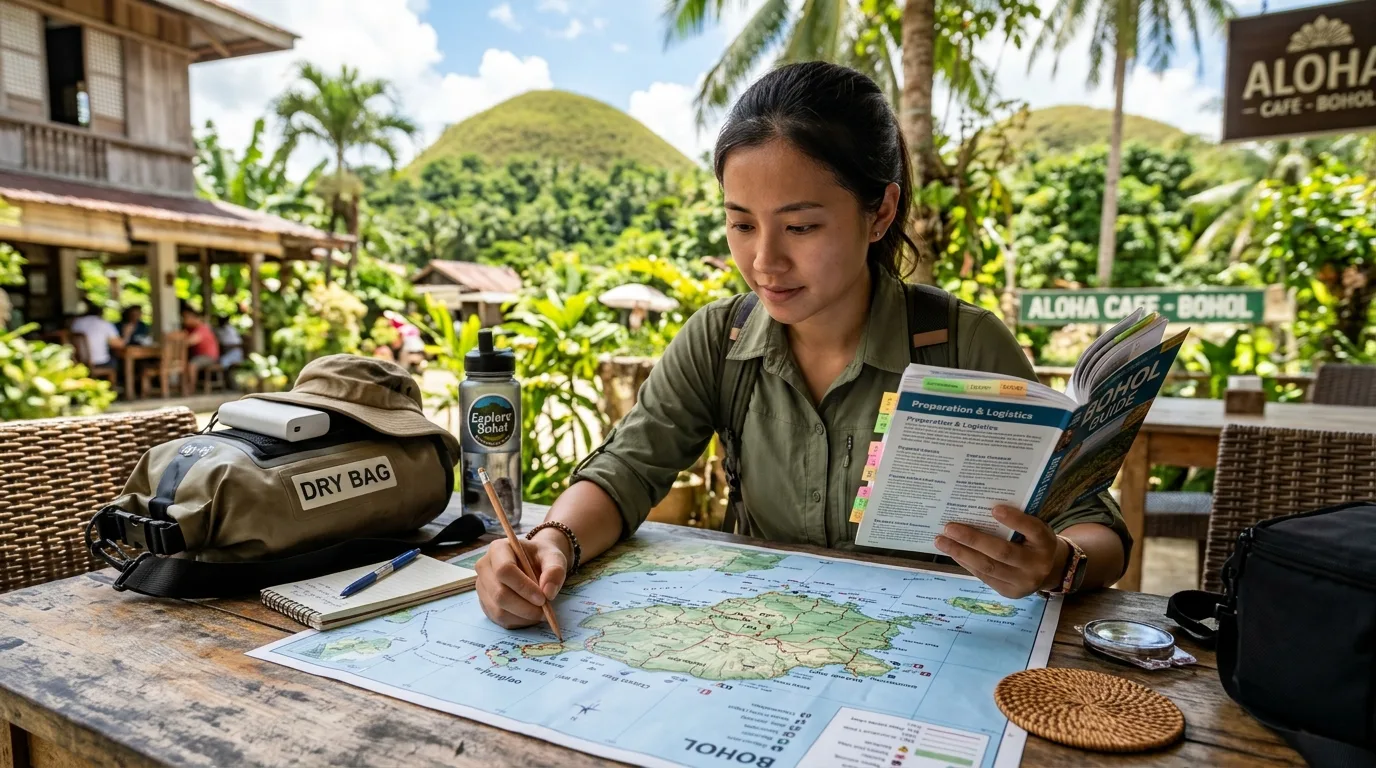
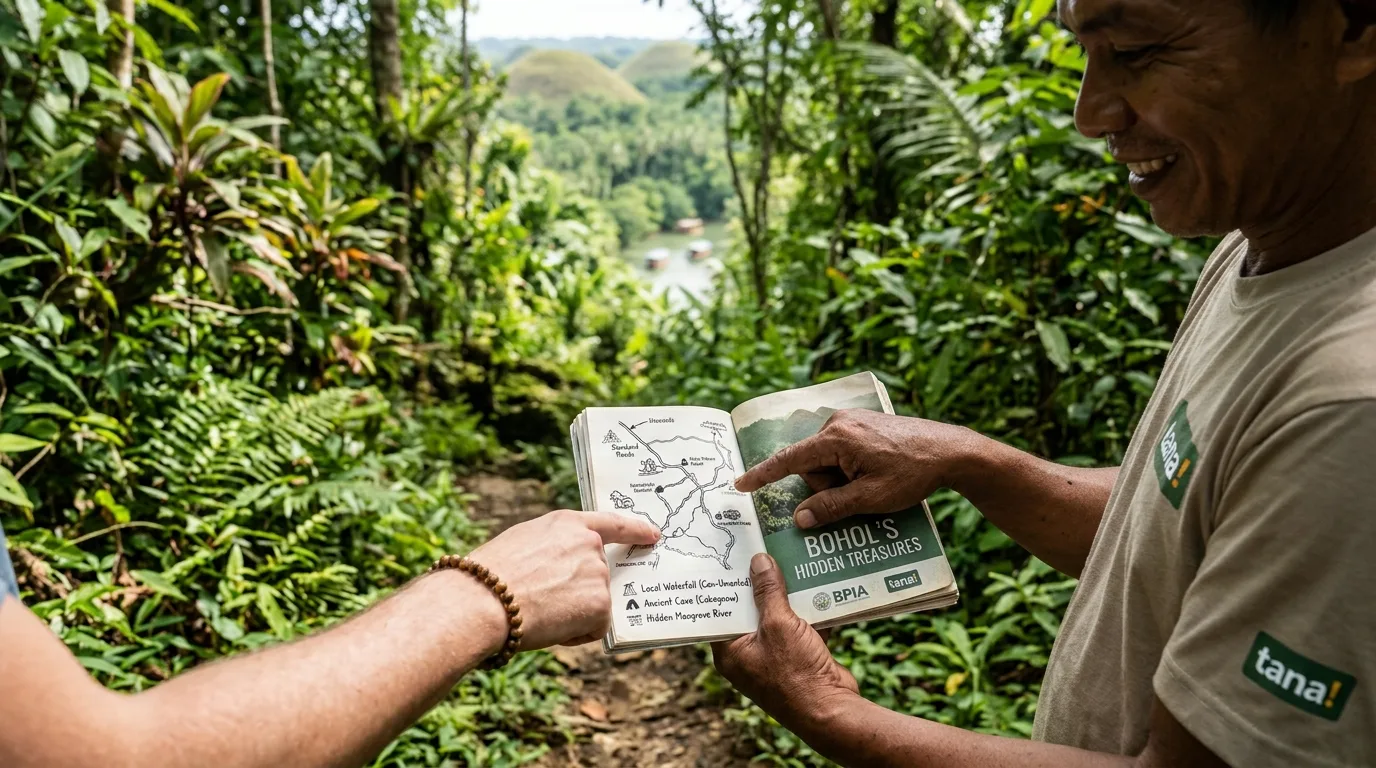
The assessment team began its field inspections on October 13 at Lamanok Island and Cabagnow Cave in Anda. Activities continued on October 15 at Alicia Panoramic Park in Alicia, Can-umantad Falls and Cadapdapan Rice Terraces Viewing Deck in Candijay, and Lakeside Camp in Mabini. The inspections aimed to identify climate-related hazards and vulnerabilities that could affect these destinations, their surrounding environments, and the communities connected to tourism activities.
Using Assessment Findings to Improve Visitor Safety
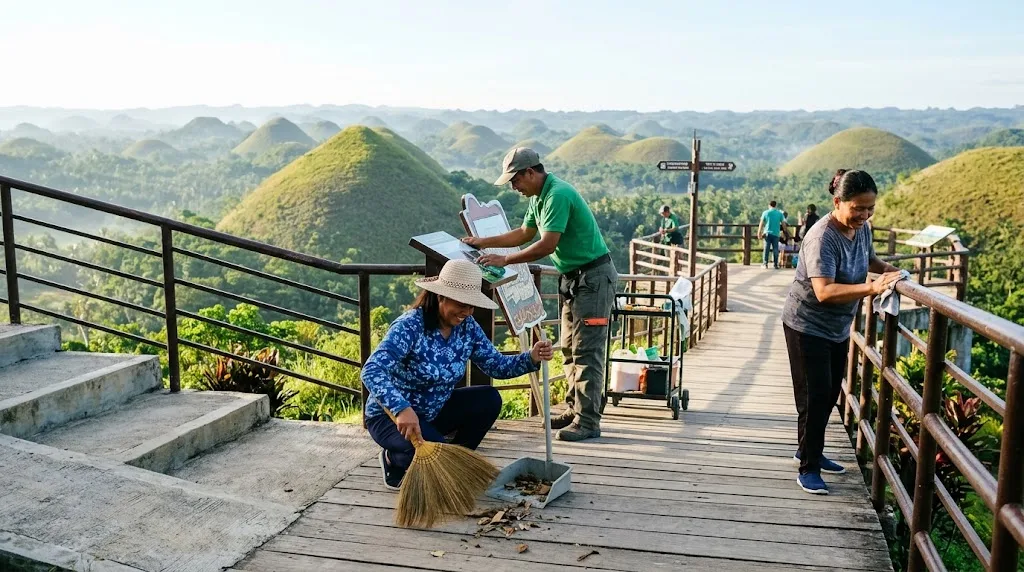
The findings will serve as a basis for recommending climate adaptation measures, strengthening disaster preparedness, and improving visitor safety and environmental protection. Integrating climate risk considerations into tourism planning, infrastructure development, and site management can help destinations prepare for changing environmental conditions. Through cooperation among provincial offices and national agencies, Bohol is working toward tourism development that protects natural resources and local communities while preserving its natural and cultural heritage as the Philippines' first and only UNESCO Global Geopark. These efforts also support the province's Strategic Governance Roadmap and its commitment to climate-resilient development.