Protecting Crops and Maintaining Soil Moisture
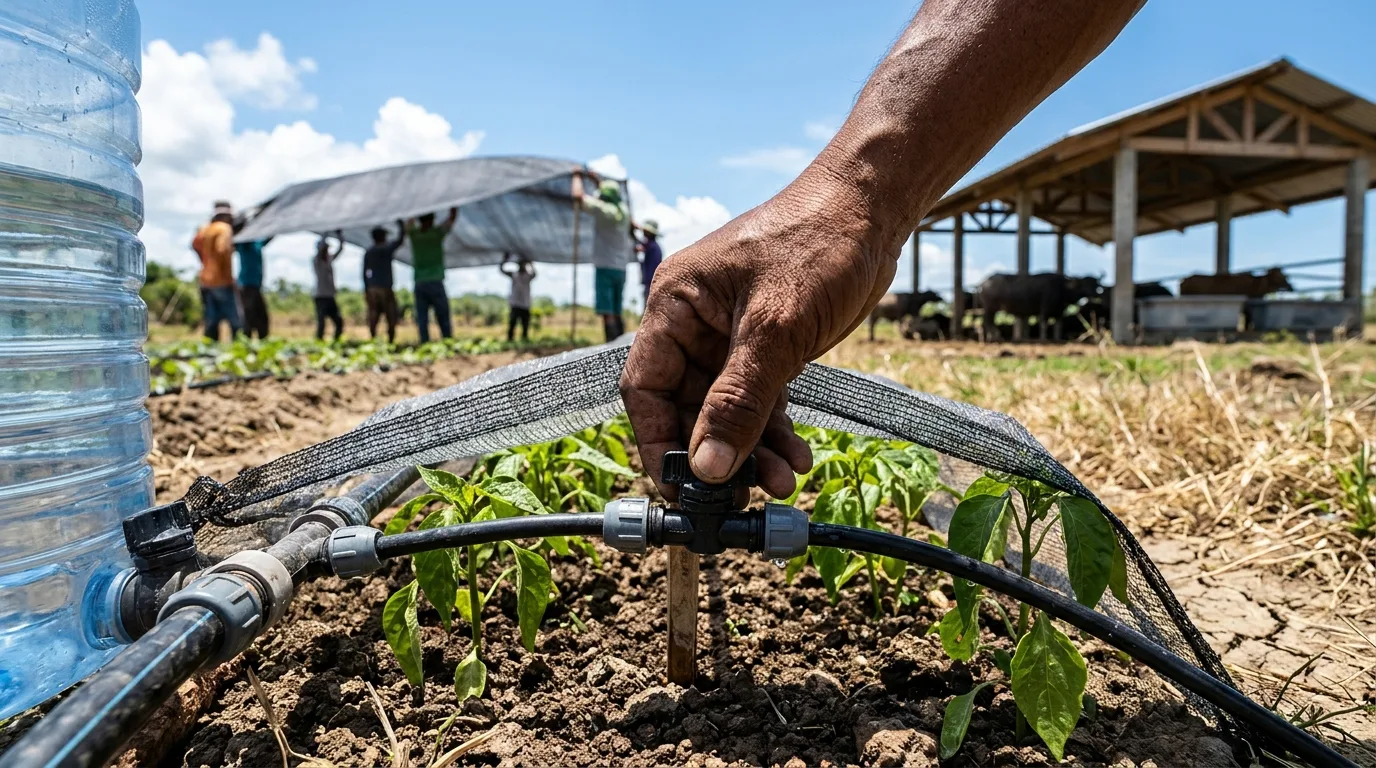
BOHOL - Farmers can begin preparing for intense heat by checking which crops are most vulnerable to high temperatures and limited water availability. Applying organic mulch around plants can help reduce moisture loss from the soil, while maintaining suitable spacing allows better air circulation. Young seedlings and sensitive crops may benefit from temporary shade nets or other protective coverings during the hottest parts of the day. Farmers should also inspect irrigation systems for leaks and use water efficiently, prioritizing crops that need regular moisture. These measures can help reduce heat-related stress and support healthier plant growth.
Keeping Livestock Comfortable and Hydrated
Animals also require additional attention during periods of high temperatures. Poultry, pigs, cattle, and other livestock can experience heat stress when exposed to excessive heat without enough shade, ventilation, or drinking water. Farmers should make sure animals have continuous access to clean water and provide shaded resting areas with good airflow. Feeding schedules may also be adjusted to cooler parts of the day when appropriate, while overcrowding should be avoided to reduce additional heat buildup. Regular observation is important because unusual breathing, reduced feeding, weakness, or changes in behavior may indicate heat stress that requires prompt attention from an agricultural technician or veterinarian.
Preparing Farm Resources Before Temperatures Rise
A farm's ability to handle hot weather also depends on how well its resources are managed before conditions become difficult. Farmers can inspect water tanks, pumps, pipes, irrigation equipment, and drainage systems to identify problems early. Rainwater storage, where suitable, can provide an additional source for non-potable farm uses, while planned watering schedules can help make limited supplies last longer. Keeping updated with weather advisories from PAGASA and agricultural guidance from local government agriculture offices can also help farmers decide when to irrigate, transplant, harvest, or adjust other farm activities. By combining early preparation with regular monitoring, Bohol's farming communities can reduce avoidable risks and protect their crops, animals, and livelihoods during the heat season.