


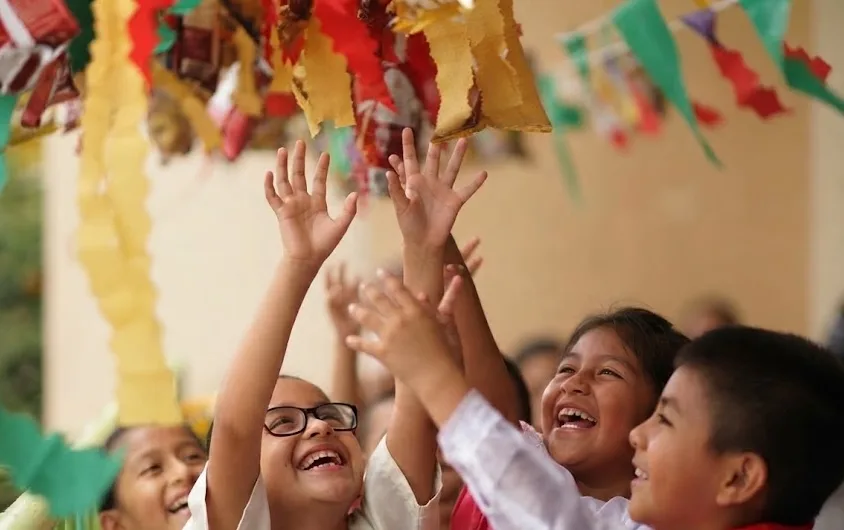
A Southeast Asian Lesson Begins at School
OZAMIZ CITY - The DepEd Division of Ozamiz City included the 2026 ASEAN Month Celebration among its issuances, providing an official basis for schools in the division to observe the regional occasion. ASEAN Month gives educational institutions an avenue to introduce students to the countries that make up Southeast Asia and to discuss the connections shared across the region. These may include culture, history, geography, cooperation, and common aspirations. The Ozamiz memorandum confirms the division’s participation in the 2026 observance, although the publicly accessible notice does not provide a detailed schedule of school activities or report completed events. For that reason, this article focuses on the documented observance rather than inventing specific activities.
Learning About Neighbors Can Change Perspective
For students, Southeast Asia can sometimes feel like a distant concept mentioned briefly in social studies or history lessons. ASEAN Month creates a reason to look more closely at the countries surrounding the Philippines. Learning about Indonesia, Malaysia, Singapore, Thailand, Vietnam, Brunei, Cambodia, Laos, and other ASEAN members can help students recognize both differences and similarities within the region. Food, languages, traditions, geography, and historical experiences can become starting points for meaningful classroom conversations. In Ozamiz City, the 2026 observance gives teachers another subject through which learners can explore the world beyond their immediate surroundings while still beginning with a regional community closely connected to the Philippines.
A Classroom Window Into Regional Cooperation
ASEAN is not simply a collection of countries on a map. It represents a regional framework through which Southeast Asian nations work together on matters ranging from education and culture to economic and social development. Introducing that idea to young Filipinos can help them understand why regional cooperation matters. The Ozamiz City Division’s August memorandum provides a concrete opportunity for schools to bring those concepts into their educational activities during ASEAN Month. There is no need to claim that the celebration has already produced measurable changes among students; the official notice does not report such results. Its value is the opportunity itself: learners can encounter Southeast Asia as a living community rather than merely a textbook chapter.
