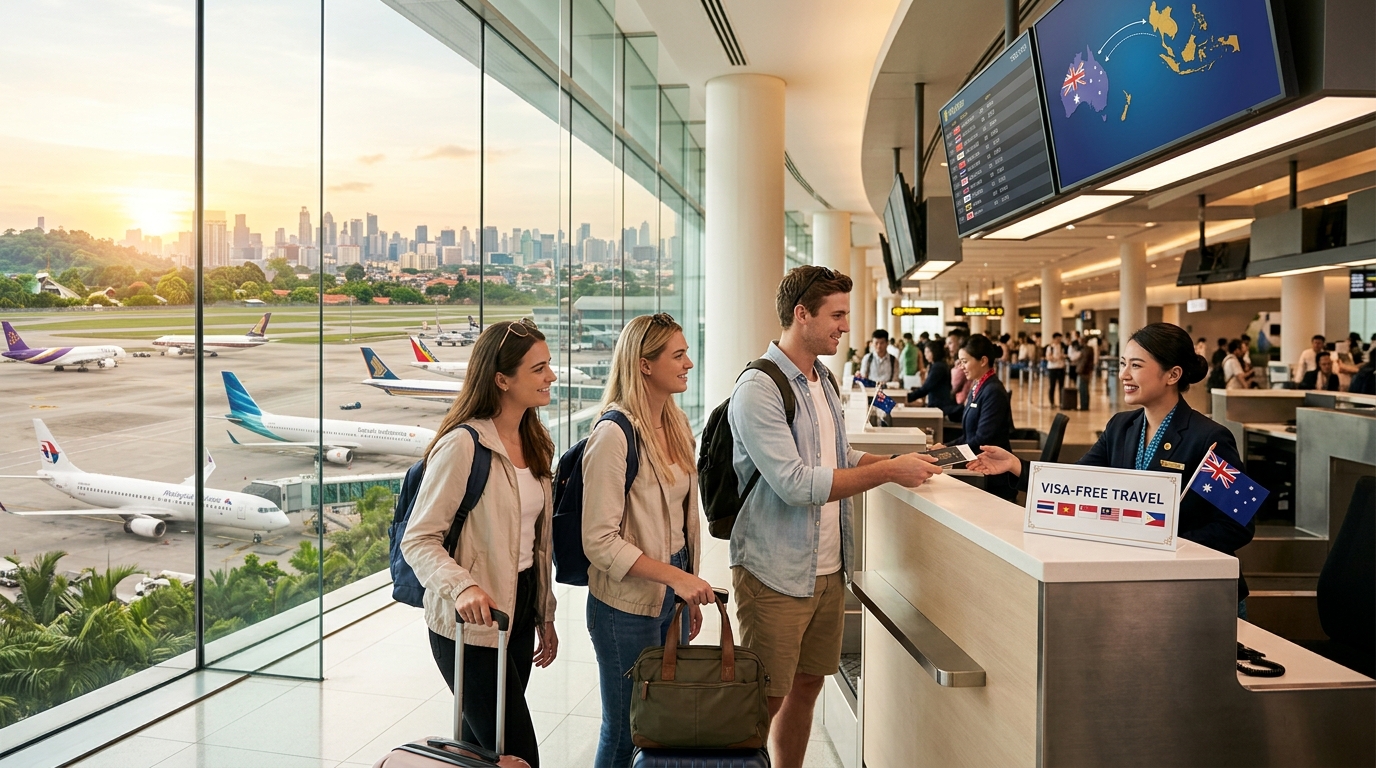
In a significant move set to reshape Asia-Pacific tourism, Thailand has announced it will join Vietnam, Singapore, Malaysia, Indonesia, and the Philippines in expanding visa-free travel for Australian tourists, effective June 2026. This collective effort by prominent Southeast Asian nations aims to substantially boost regional tourism, enhance connectivity, and stimulate unprecedented economic growth. The initiative signals a united front to attract a crucial market, promising a ripple effect across various industries.
Streamlining Transit Logistics and Enhancing Multi-Country Itineraries
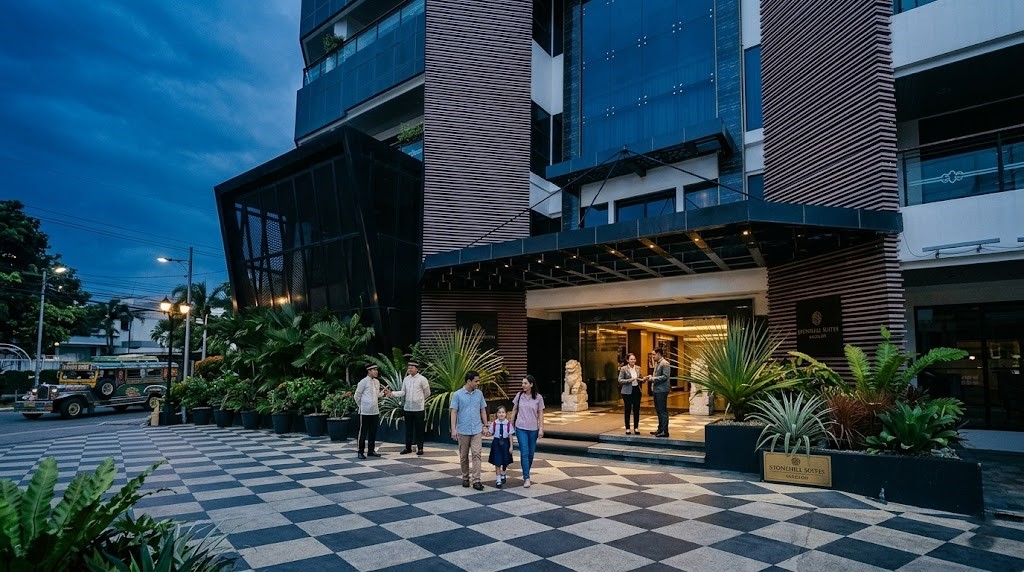
The decision positions Southeast Asia as an even more accessible and attractive destination for Australian travelers, known for their significant spending power. By removing visa barriers, these countries are streamlining travel logistics, encouraging longer stays, and promoting multi-country itineraries. The Philippines, as an active participant, stands to directly benefit from this influx of visitors, further cementing its place as a prime tourist destination in the region. This strategic alignment underscores a broader vision for a more integrated and economically vibrant ASEAN community.
Accelerating Foreign Exchange Inflows and Upgrading Municipal Tourism Assets
This coordinated expansion of visa-free access is more than just a convenience for tourists; it's a powerful economic catalyst. Increased tourist arrivals translate directly into higher demand for accommodation, transportation, food services, retail, and entertainment. For the Philippines, this means a potential surge in foreign exchange earnings, investment in tourism infrastructure, and a robust boost to local economies. The collaboration among these nations also strengthens regional stability and cooperation, presenting Southeast Asia as a unified and compelling travel destination on the global stage.
Meeting Surging Hospitality Demands and Expanding Cross-Border Placements
For Filipinos, this development holds considerable promise, particularly for those working or aspiring to work in the tourism and hospitality sectors. The anticipated boom in Australian visitors across the region will inevitably lead to a higher demand for skilled labor, from hotel staff and tour guides to culinary professionals and customer service representatives. This could translate into more job openings within the Philippines, as well as increased opportunities for Overseas Filipino Workers (OFWs) in participating countries like Thailand, Singapore, and Malaysia. Filipinos considering careers in these fields should view this as a clear signal for growth and potential career advancement, both domestically and abroad. It underscores the importance of acquiring relevant skills and certifications to capitalize on the region's burgeoning tourism economy.