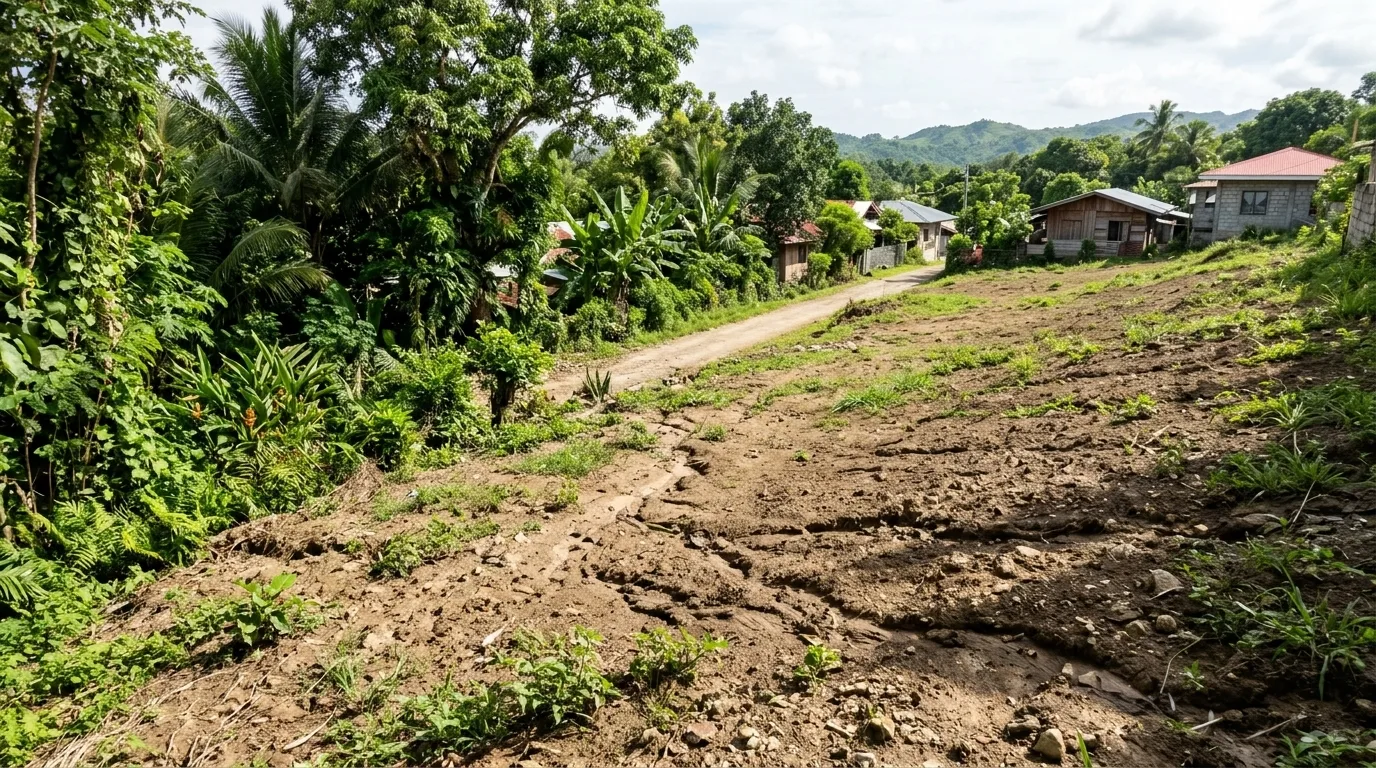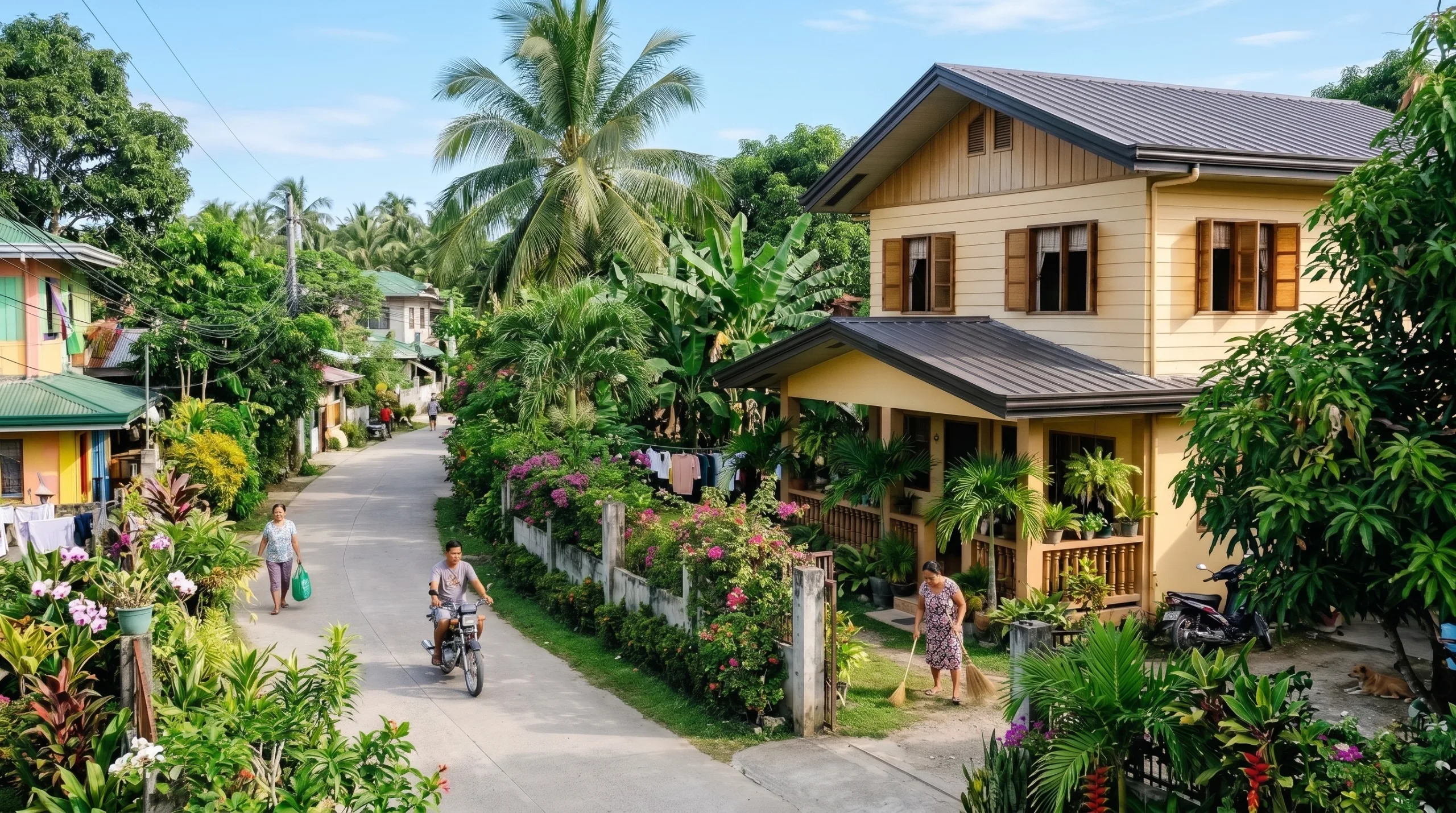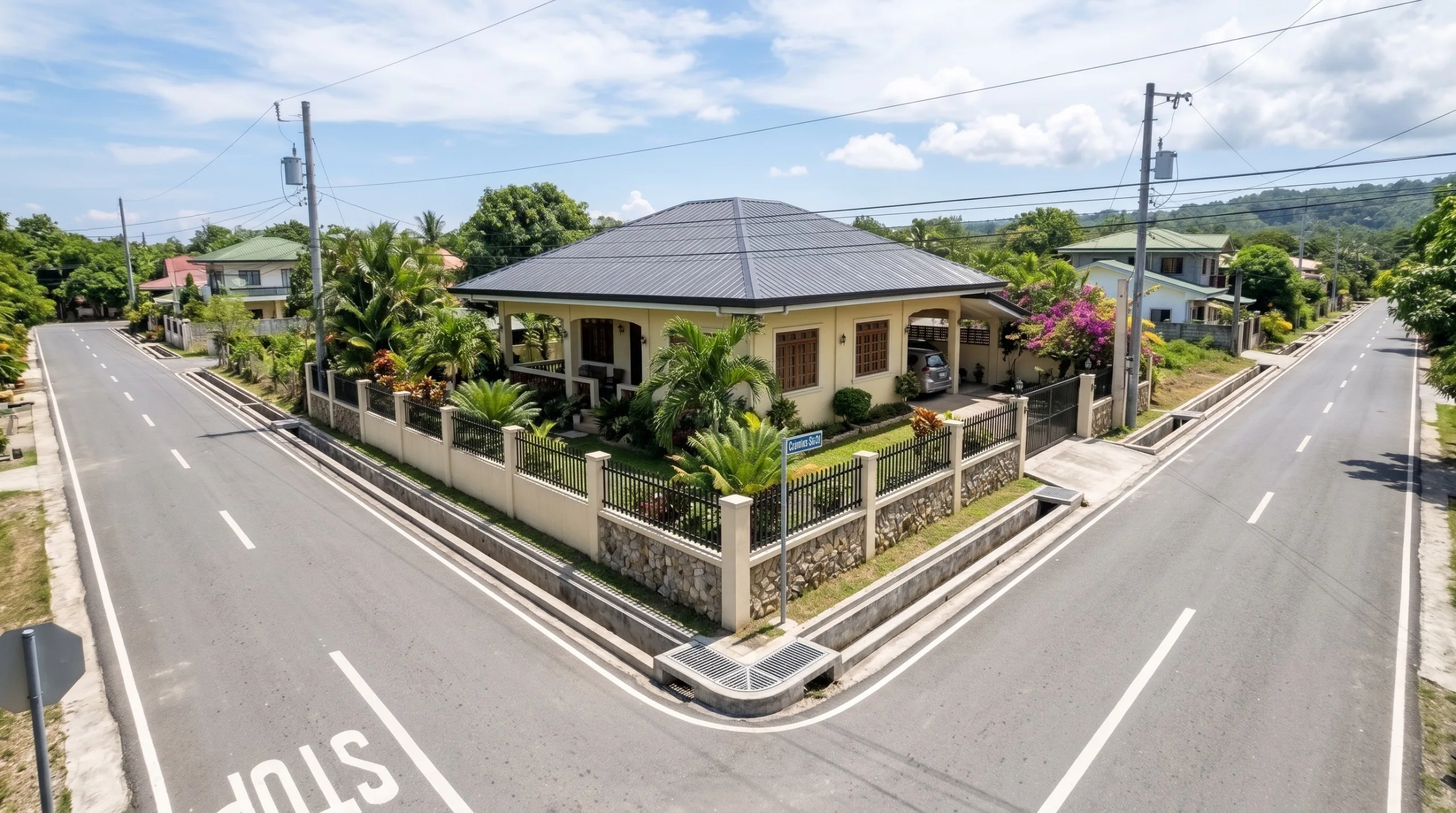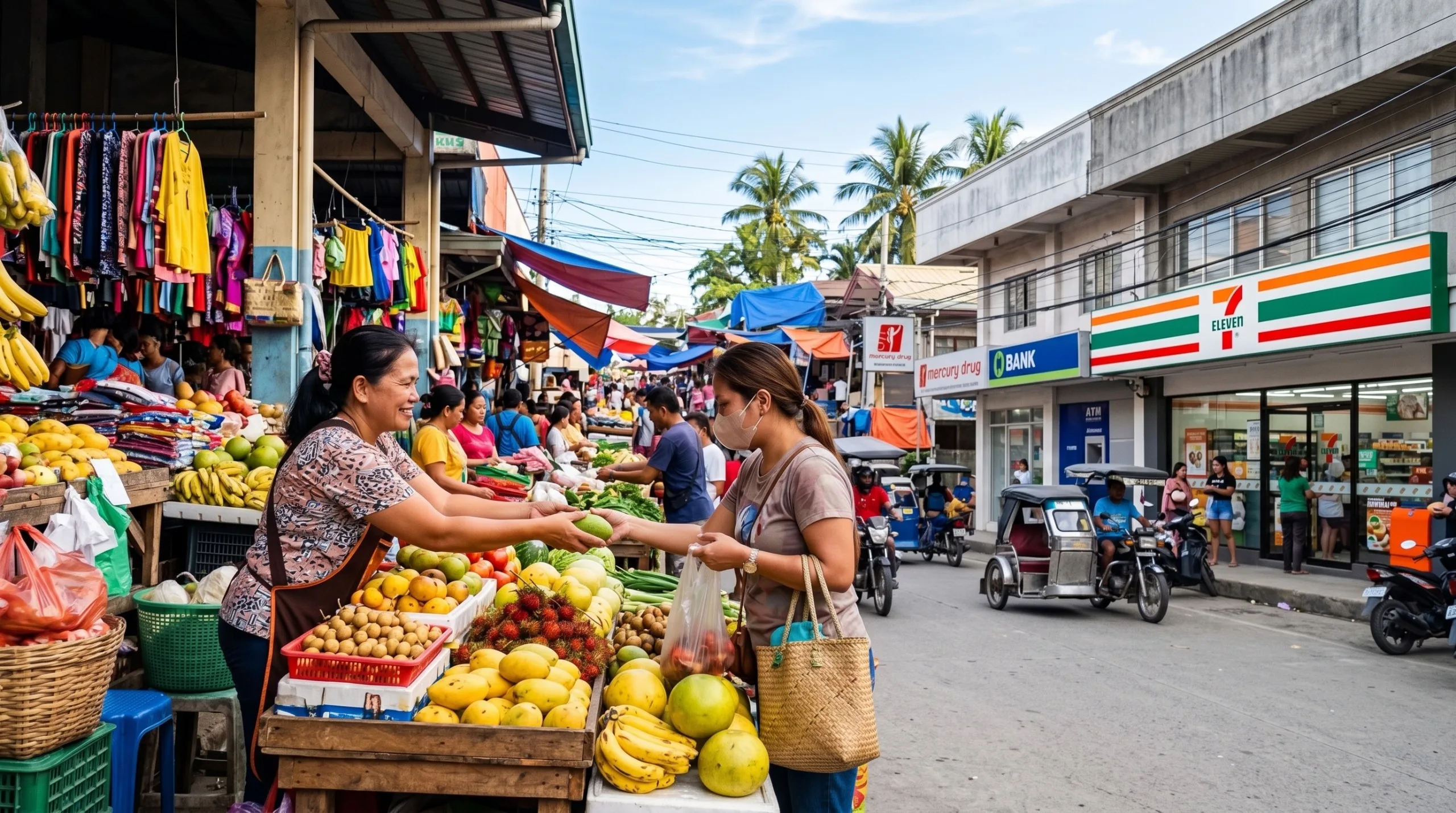
Creating More Shade and Cooler Public Spaces
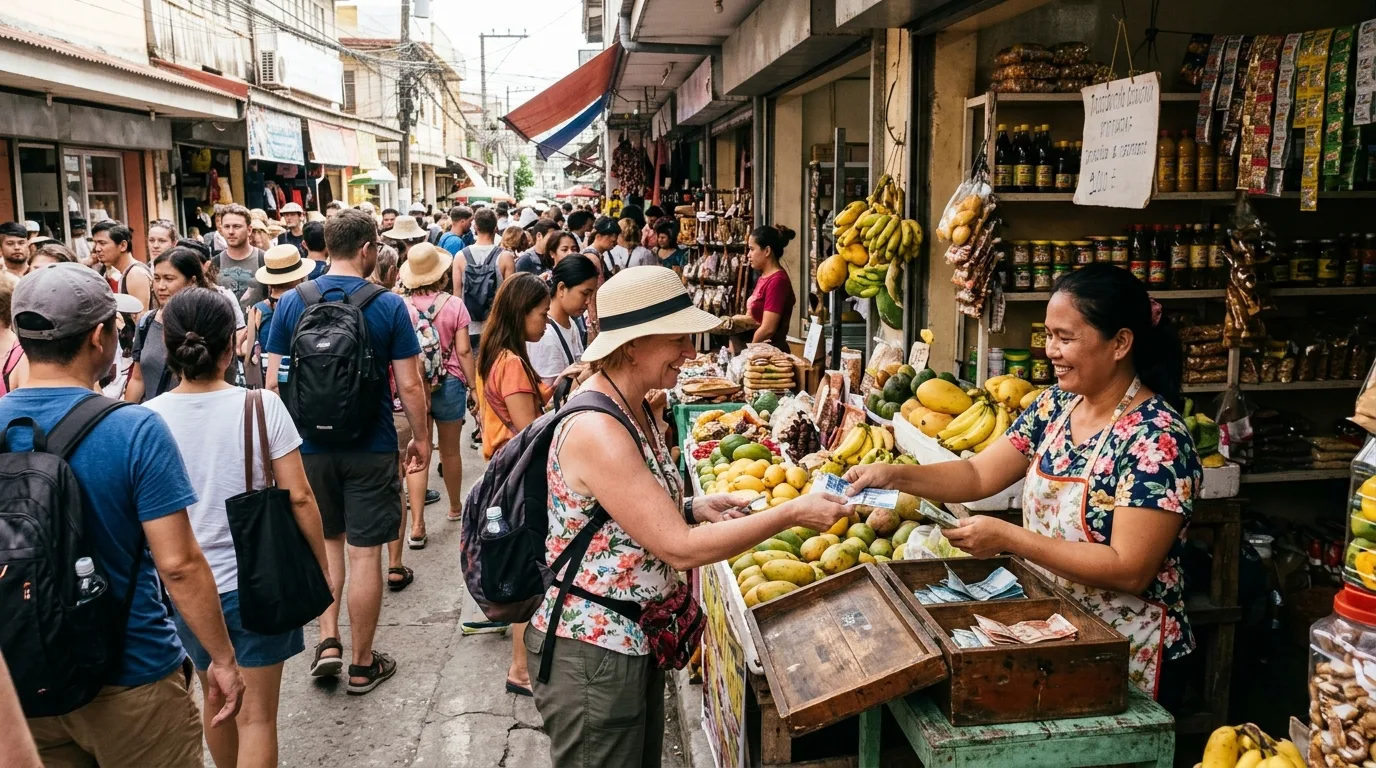
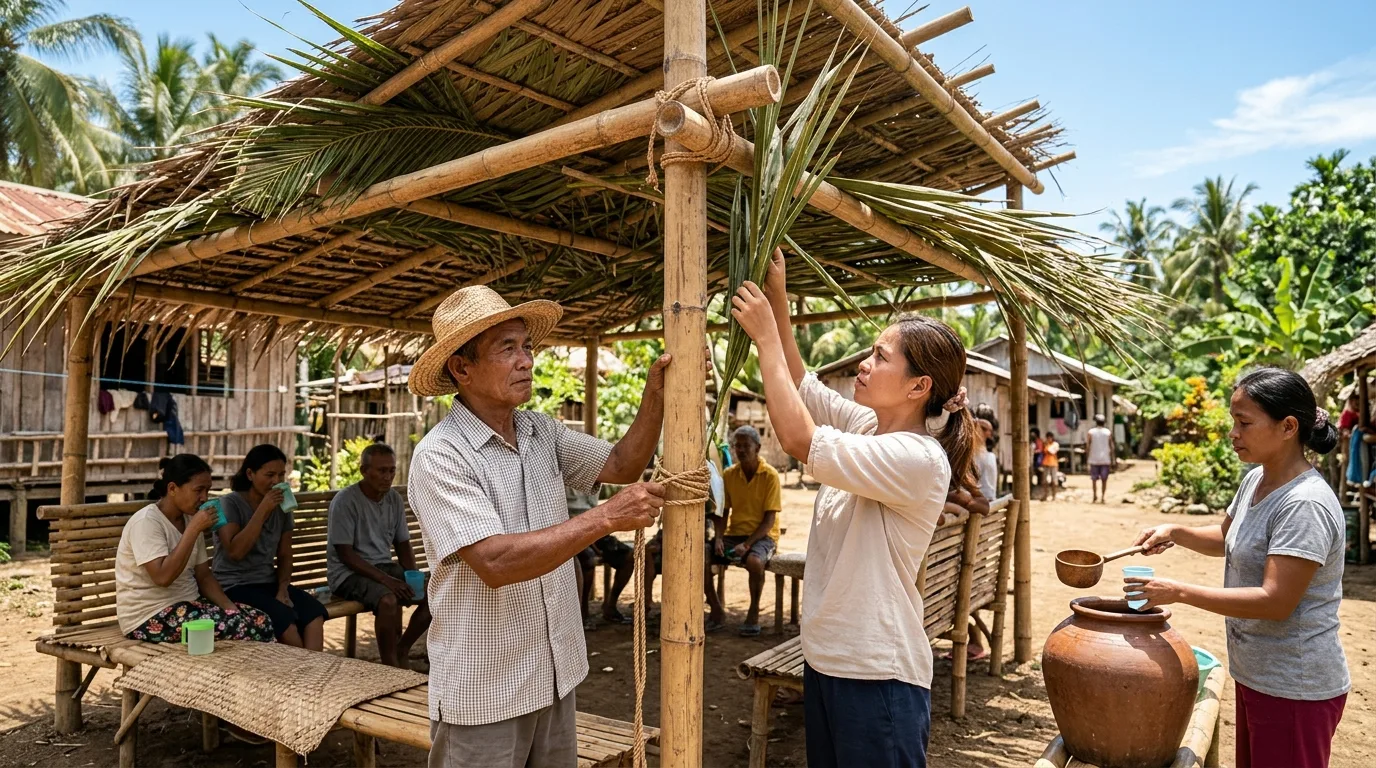
BOHOL - One practical way communities can respond to rising temperatures is by improving shaded areas where residents gather, walk, wait for transportation, or participate in outdoor activities. Barangays can identify locations that receive strong sunlight, such as waiting areas, playgrounds, public markets, and pedestrian pathways, then consider adding covered seating, shade structures, or suitable trees. Existing trees should be protected because they provide natural shade and help make outdoor spaces more comfortable. Schools and community facilities can also maintain shaded areas where children, senior citizens, and other residents can rest during particularly hot periods.
Making Drinking Water and Heat Information Accessible
Communities can help residents avoid heat-related problems by making clean drinking water more accessible and sharing clear reminders about staying hydrated. Barangay halls, schools, sports facilities, and public gathering areas may consider providing drinking-water stations or designated refill points where feasible. Local officials can also share PAGASA heat index advisories through community bulletin boards, social media pages, and public announcements. Residents should be encouraged to limit strenuous outdoor activities during the hottest hours, wear lightweight clothing, take regular breaks, and recognize warning signs such as dizziness, headache, nausea, and unusual weakness. Anyone experiencing signs of severe heat illness needs immediate medical attention.
Organizing Community Preparations Before Peak Heat
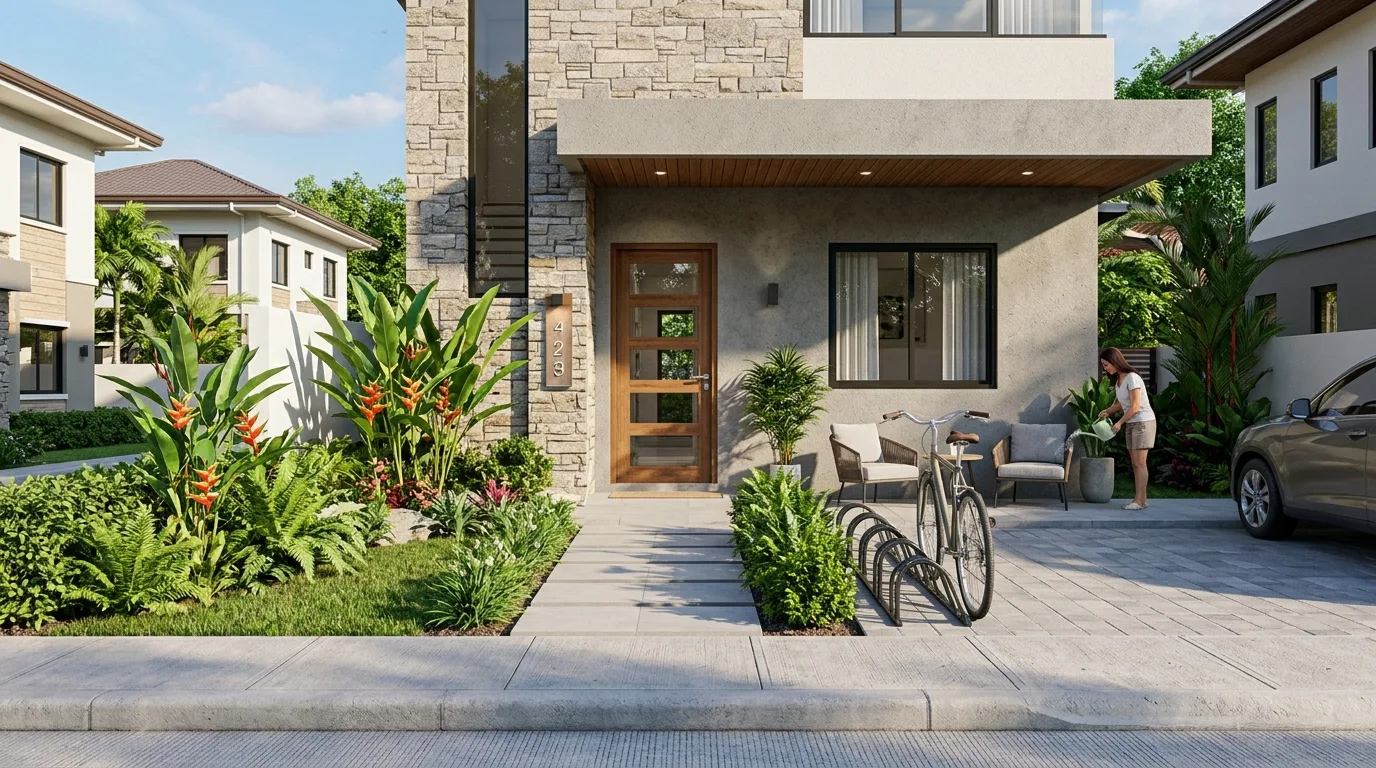
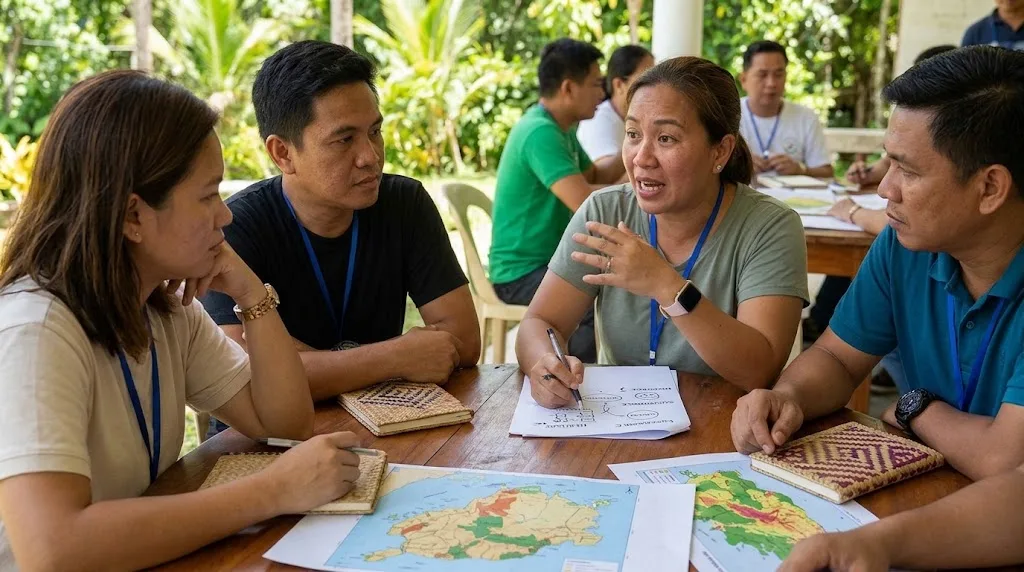
Preparing for extreme heat requires coordination beyond individual households. Barangays can inspect public water facilities, identify vulnerable residents who may need assistance, review emergency response arrangements, and coordinate with health centers when temperatures become particularly high. Schools can adjust outdoor activities when necessary, while employers and community organizations can provide shaded rest areas and reasonable breaks for people working outdoors. Planting appropriate trees, maintaining green spaces, and keeping drainage systems clear can also support healthier and more comfortable surroundings. When communities prepare together, even simple improvements can make daily activities safer and help residents manage the challenges of hotter weather.