More Than a Benefit: Making Assistance Useful
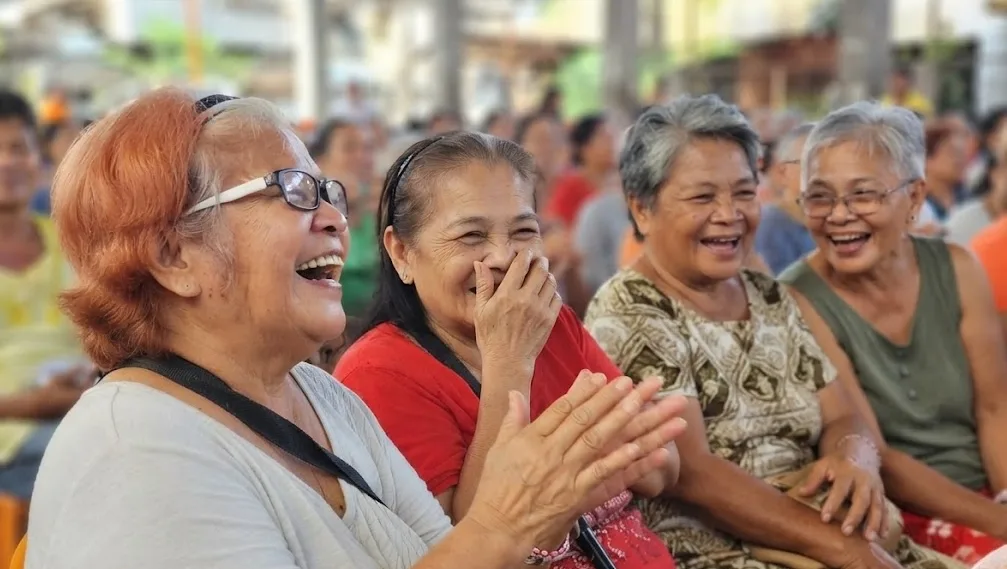
OZAMIZ CITY - For senior citizens, government support can matter most when it responds to practical needs. The official Asenso Ozamiz website identifies several assistance programs available to qualified residents, including medical assistance for hospital bills, laboratory work, and treatment; medicines assistance for prescribed medication; burial assistance; and scholarships. These programs are not exclusively for senior citizens, so it would be inaccurate to describe them as senior-specific benefits. Still, their inclusion in the city's social-services system provides a useful picture of the assistance available to households that may include older family members. The city's stated approach places direct assistance within the broader Asenso Ozamiz service structure, giving residents a clear starting point for seeking help when financial difficulties arise.
A National Push for Older Filipinos
The Ozamiz initiative comes at a time when senior citizens are also receiving renewed attention at the national level. On August 26, 2026, the Philippine Information Agency reported that President Ferdinand Marcos Jr. ordered the National Commission of Senior Citizens to immediately distribute the PHP10,000 cash gift to qualified senior citizens covered by the Expanded Centenarians Act. The development highlights how programs for older Filipinos can involve different layers of government, from national benefits to city-level assistance. For Ozamiz residents, national programs and local services can serve different purposes. One may provide a specific statutory benefit, while another can respond to immediate needs such as medical expenses or prescribed medicines.
Keeping Older Residents Within the Community Picture
Support for senior citizens is also connected to accessibility. The Philippine Statistics Authority's citizen-service information for its Ozamiz City civil registry outlet identifies senior citizens among priority clients who may use a priority lane when completing transactions. That small but practical arrangement illustrates why senior-friendly services do not always require large programs. Clear procedures, priority access, available assistance, and information about benefits can make everyday government transactions easier. Combined with the social-assistance programs listed by Asenso Ozamiz, these measures give older residents and their families several points of support when dealing with government offices. The positive takeaway is straightforward: assistance becomes more useful when people can understand where to go and what services may be available.