


Preparing Farmers for Tougher Growing Conditions
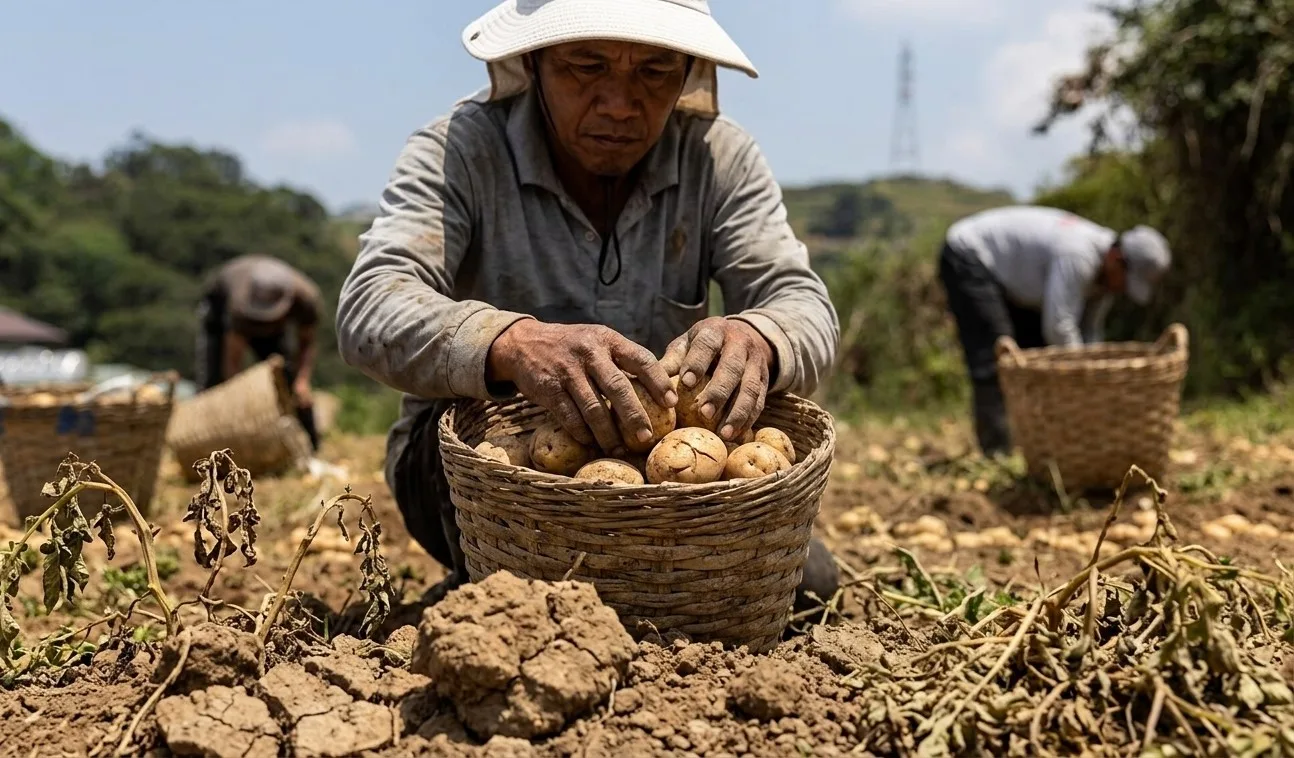
GENERAL SANTOS CITY- El Niño can increase the likelihood of below-normal rainfall, raising the risk of dry spells and drought in vulnerable agricultural areas. The Department of Agriculture–Regional Field Office XII identified Sultan Kudarat as a high-priority province for agricultural preparedness, citing historical exposure to El Niño and the vulnerability of rice, corn, and high-value crops. For farmers, changing rainfall patterns can affect planting schedules, crop development, and the amount of water available for irrigation. The regional agriculture office has reported preparations that include setting aside seeds and crop-protection supplies, monitoring fields, and improving access to climate information. These efforts illustrate why early planning is important when farmers face the possibility of a prolonged dry period.
Livestock Care Is Part of Drought Preparedness
When dry conditions persist, livestock raisers may face additional pressure to secure drinking water, maintain animal health, and obtain sufficient feed. The October 12 PIA report identifies agricultural and livestock support as part of the measures being implemented in the municipality of Senator Ninoy Aquino. However, the available report summary does not specify every livestock intervention, its budget, or the number of beneficiaries, so those details should not be assumed. In practical terms, livestock preparedness can include checking water supplies, monitoring animals for signs of heat stress, and seeking veterinary advice when needed. Keeping animals healthy helps protect the livelihoods of households that depend on livestock raising for income and food.
Why the Regional Response Matters to General Santos City
Although the reported municipal measures are taking place in Sultan Kudarat, the issue has wider relevance across Soccsksargen. General Santos City is connected to surrounding agricultural communities through food distribution, trade, and consumer demand, making farm production an important regional concern. PAGASA's October 7, 2026, advisory warned that the ongoing El Niño could persist into the first half of 2027, increasing the likelihood of below-normal rainfall in some areas. Monitoring official forecasts, using water carefully, and following agricultural guidance can help farmers and households prepare for changing conditions. The priority is to reduce avoidable losses and help farming communities maintain production as the climate outlook develops.
