


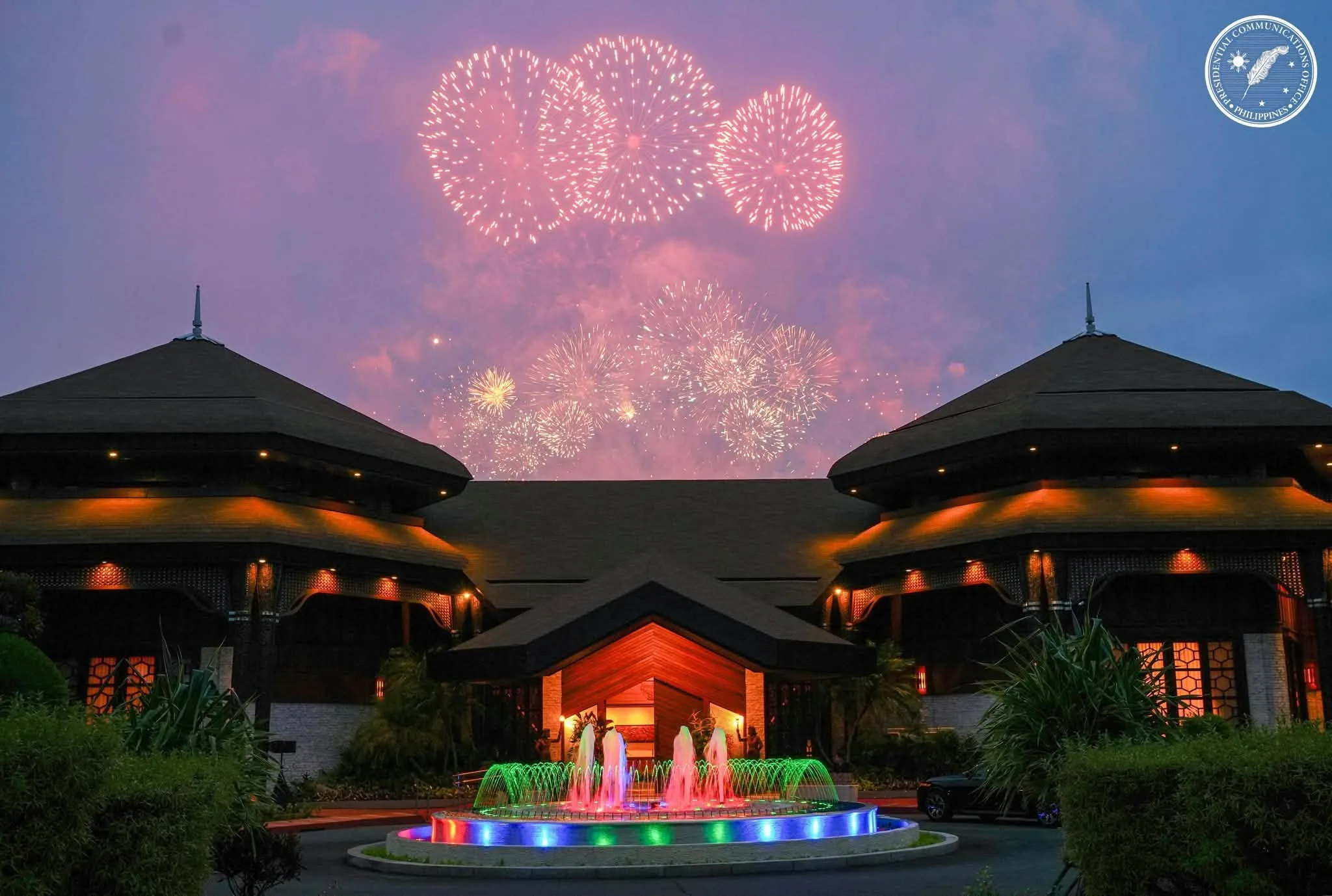
PHILIPPINES — After six months of meticulous restoration, the iconic Coconut Palace officially reopened its doors on August 25, 2026, in Pasay City. President Ferdinand Marcos Jr. and First Lady Liza Araneta-Marcos led the ceremonial relaunch of this architectural gem, now poised to welcome world leaders for the 49th ASEAN Leaders' Summit in November.
A Vision in Coconut and Indigenous Craft
The Coconut Palace, formerly known as Tahanang Pilipino, was commissioned in 1978 by then First Lady Imelda Marcos. It was conceived as a grand guesthouse for distinguished foreign dignitaries. The project was placed under the supervision of National Artist for Architecture Francisco "Bobby" Mañosa.
Mañosa's design was a bold statement of Filipino identity. The structure famously uses coconut lumber, shells, roots, and fibers extensively. These were combined with other indigenous materials like capiz shells, woven rattan or solihiya, and Narra wood. The palace was meant to showcase the "tree of life" and the nation's artistry.
From Papal Guesthouse to Vice Presidential Office
The palace's history is marked by significant moments. It was originally envisioned to host Pope John Paul I during his 1981 visit, though the Pope declined to stay there. Despite this, it became a lasting symbol of national pride and architectural innovation.
Years later, the Coconut Palace served as the official residence and office of the Vice President. It notably housed Vice President Jejomar Binay from 2011 to 2016. This role placed it at the center of the country's political landscape, adding another layer to its storied past.
Preserving a National Treasure
The Government Service Insurance System, which owns the property, invested around ₱200 million in the restoration. The project addressed natural wear and tear on wooden materials, worsened by Manila Bay's salt air. The goal was to preserve both the asset's value and its cultural heritage.
In 2023, the National Museum of the Philippines declared the Coconut Palace an Important Cultural Property. This recognition affirmed its deep significance to the nation's heritage. The recent restoration carefully maintained its distinctive Filipino architectural elements while upgrading its facilities.
A Bridge to the Future
Moving forward, GSIS plans to open the Coconut Palace to the public in early 2027. A specialized property manager will be hired to maintain the structure, recognizing its unique status as a cultural asset. The vision is for all Filipinos to experience the building's grandeur and artistry.
The revival positions the palace as more than just a historic structure. It serves as an active venue for diplomacy and a symbol of enduring craftsmanship. Its reopening bridges the past with the future, celebrating a legacy that continues to inspire.
