Tables Designed for Conversation
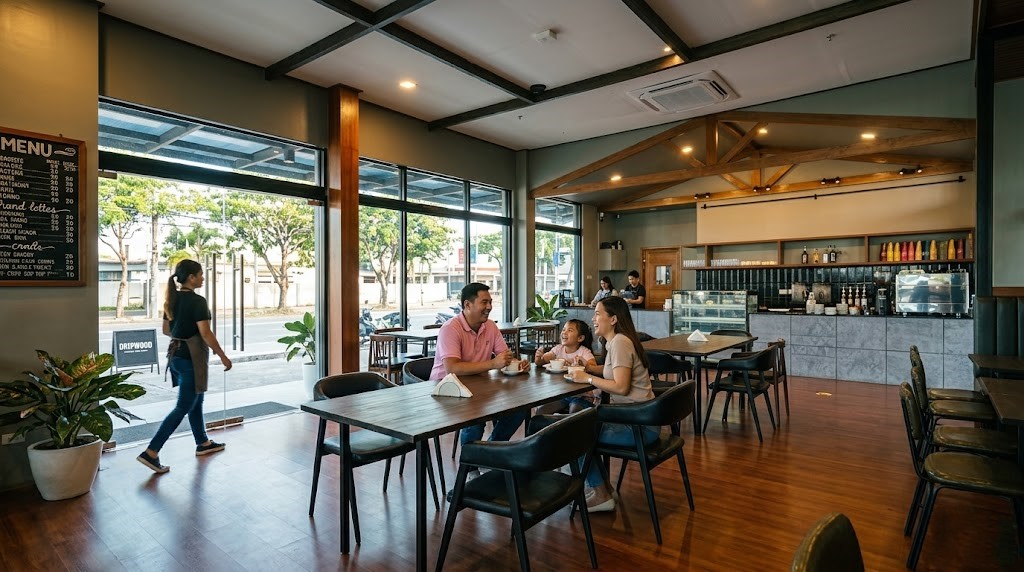
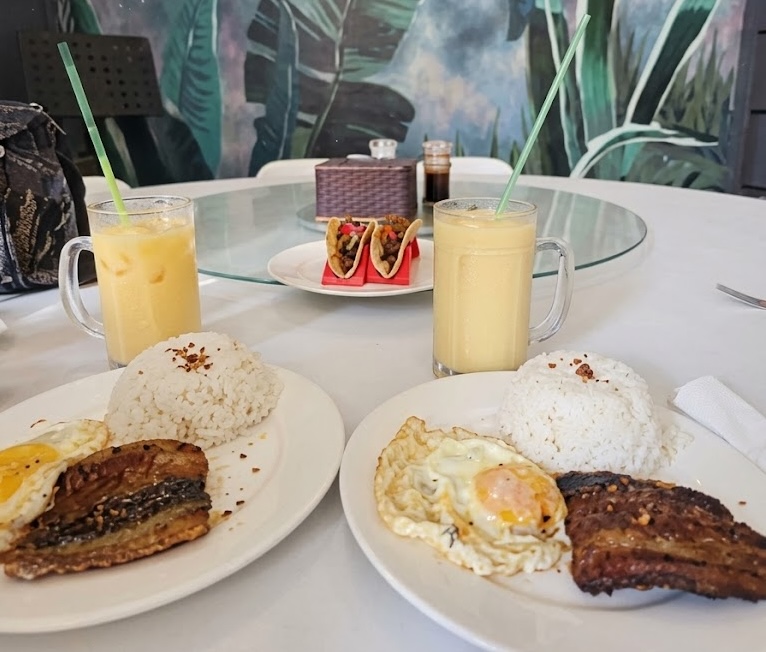
Some dining spaces thrive because they create opportunities for connection. In Ozamiz, restaurants that accommodate groups continue to attract families celebrating birthdays, reunions, and ordinary weekends together. Large tables, shared dishes, and relaxed atmospheres encourage conversations that last longer than the meal itself. Unlike quick-service dining, these establishments emphasize the social side of eating. Their popularity reflects a broader preference for experiences that bring people together rather than simply offering convenience.
Why Shared Meals Still Matter
The tradition of eating together remains deeply rooted in Filipino culture. Family meals create opportunities to exchange stories, discuss plans, and maintain relationships despite busy schedules. Restaurants provide a neutral setting where multiple generations can gather comfortably. This role gives dining establishments cultural importance beyond their commercial function. They become venues where milestones are celebrated and memories are created. In this way, food serves as a bridge connecting people through routine moments and special occasions alike.
More Than a Restaurant Visit
Visitors often evaluate destinations through landmarks and attractions, yet food experiences frequently leave stronger impressions. A memorable meal can shape how people remember a city. In Ozamiz, restaurants contribute to local identity by providing spaces that feel welcoming and familiar. Their success demonstrates that hospitality extends beyond service and cuisine. It includes atmosphere, community, and the ability to make guests feel connected. These qualities explain why some establishments remain popular long after dining trends have changed.