Clothing Shaped by Work and Daily Life
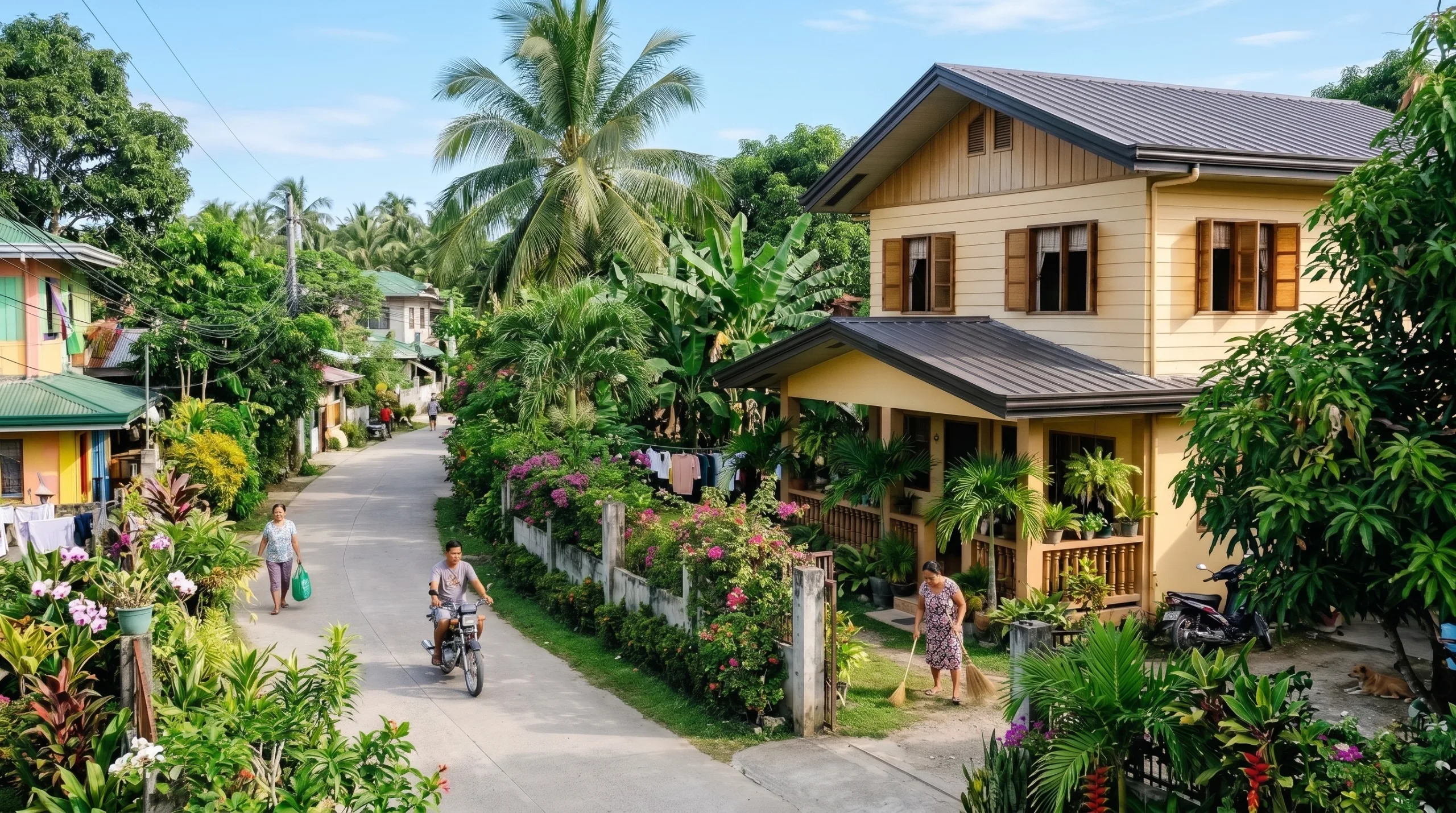
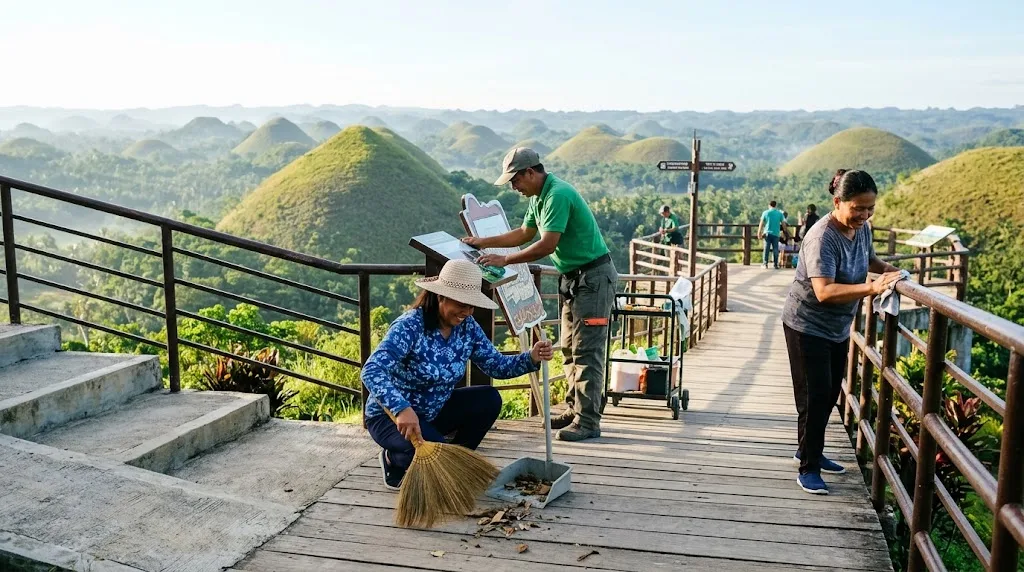
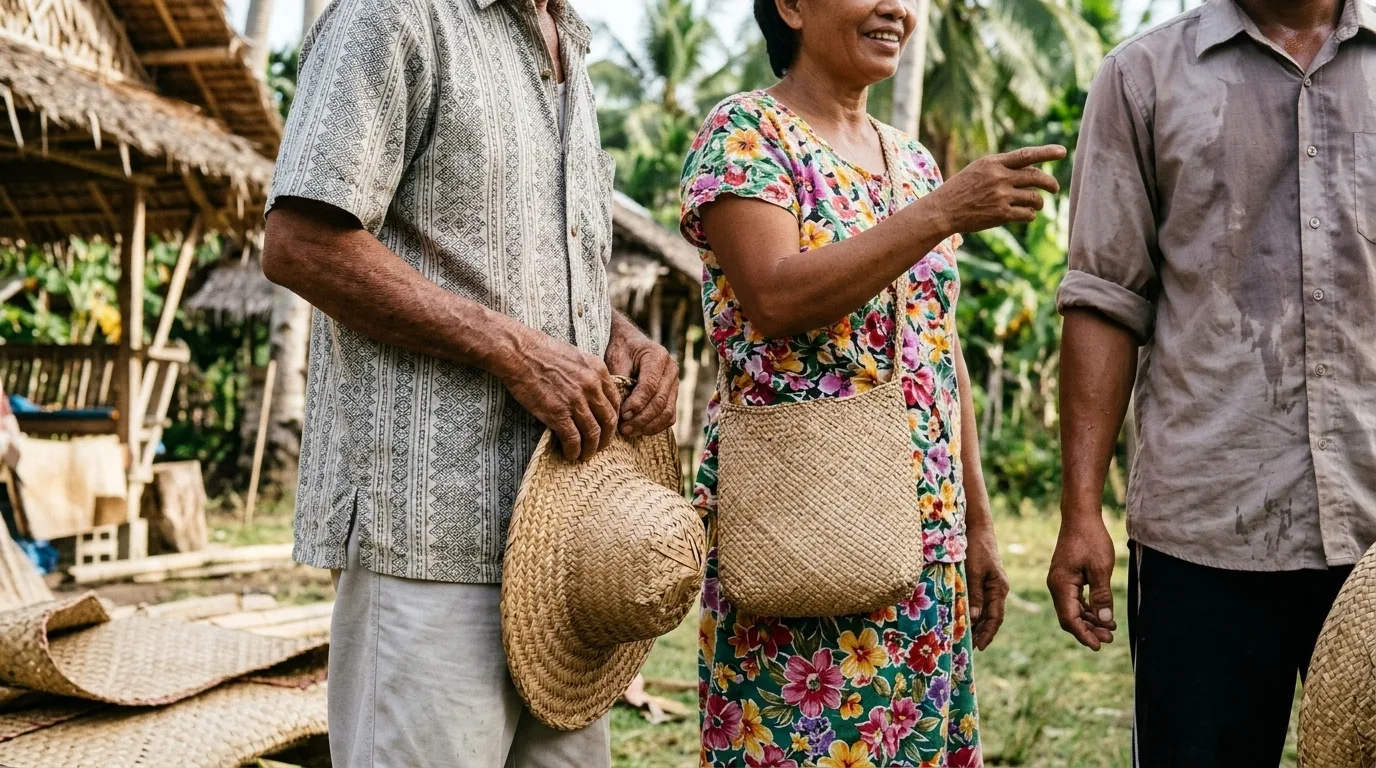
BOHOL - In many Bohol communities, everyday clothing was chosen for practicality and comfort. Farmers often wore lightweight shirts, loose trousers, and protective headwear while working in fields, while fishermen preferred simple garments suited to the heat and movement required along the coast. Women commonly wore comfortable blouses and skirts or dresses that allowed them to manage household tasks and other daily responsibilities. These styles reflected the needs of people whose routines were closely connected to agriculture, fishing, and community life.
Traditional Garments for Special Occasions
While ordinary clothing prioritized comfort, special gatherings called for more formal attire. During religious celebrations, weddings, town fiestas, and important community events, residents wore their best clothes, including traditional Filipino garments such as the barong Tagalog and baro't saya. In some households, these outfits were reserved for significant occasions and carefully maintained for future use. The contrast between everyday wear and formal clothing showed how people expressed respect for important gatherings while keeping familiar customs alive.
How Modern Fashion Changed Local Dress
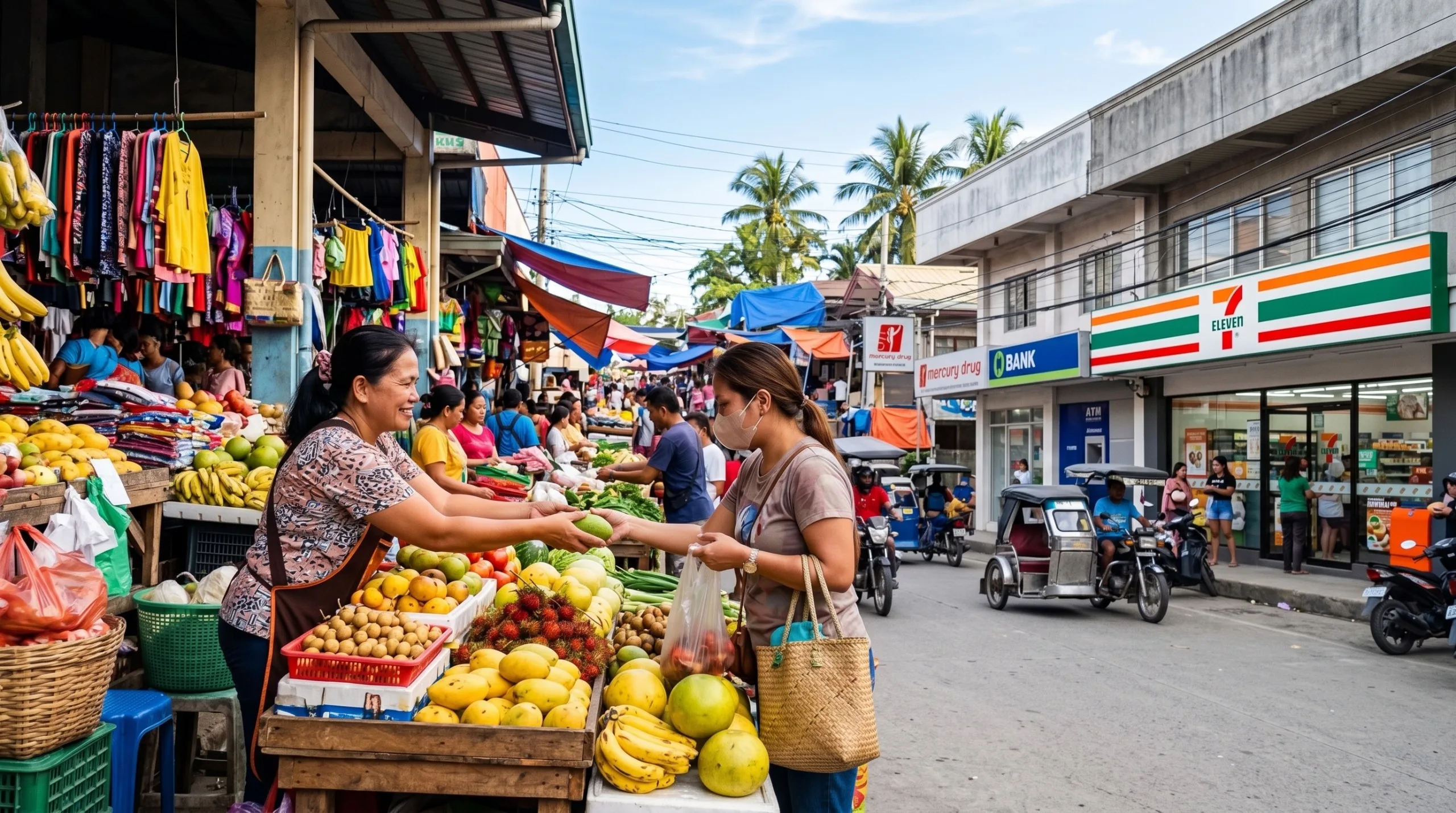
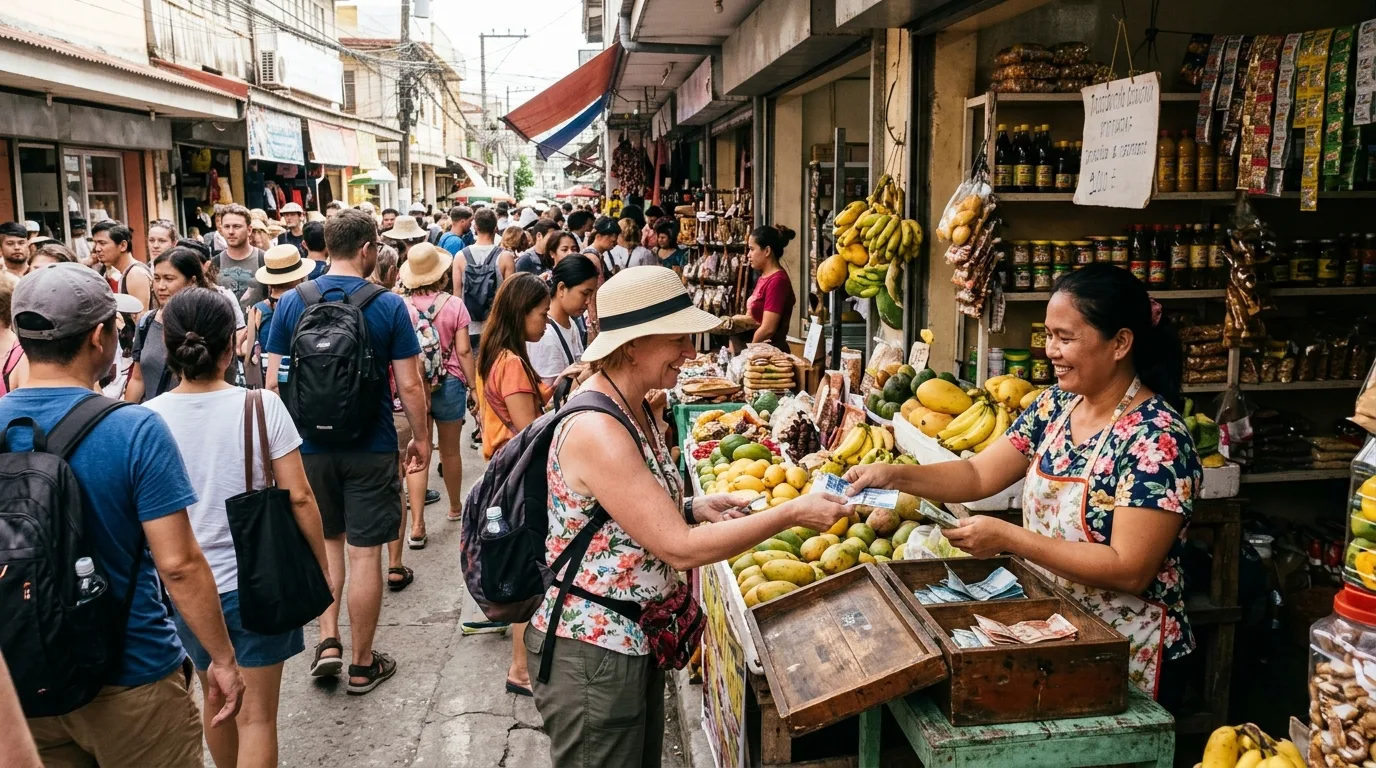
Over time, ready-made clothing, changing occupations, greater access to commercial stores, and new fashion influences transformed how Boholanos dressed. T-shirts, jeans, casual dresses, and other contemporary styles gradually became common choices for everyday activities. Traditional garments are now more frequently associated with cultural presentations, heritage celebrations, and formal events. Even as clothing preferences continue to evolve, older styles offer a glimpse into the experiences of previous generations and how Bohol communities adapted their appearance to their surroundings and way of life.