


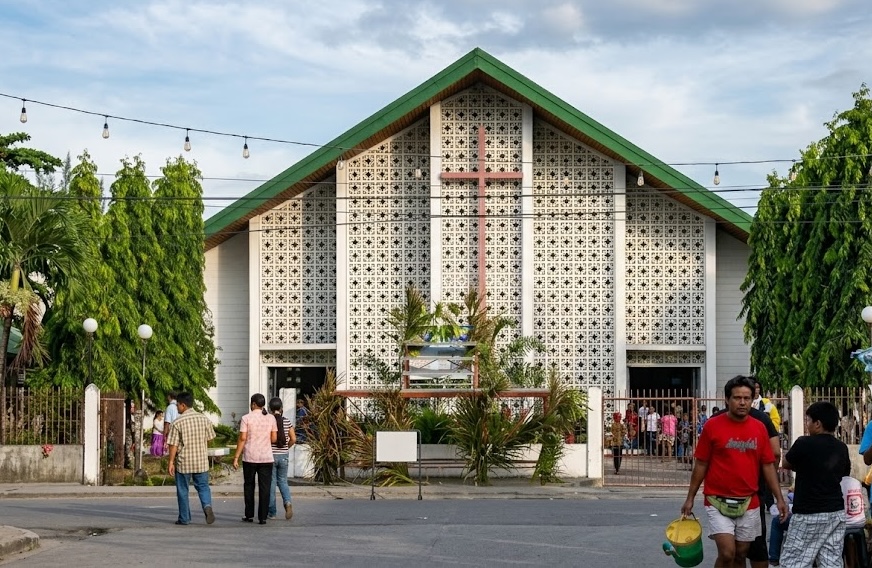
A City Built by Many Cultures
General Santos City - grew through the efforts of settlers who arrived from different parts of the Philippines while remaining home to indigenous peoples who had long lived in southern Mindanao. This combination created a community where languages, cuisines, customs, and beliefs naturally blended over generations. Rather than replacing one another, these influences continue to exist side by side, making the city an excellent destination for travelers interested in understanding cultural diversity. Walking through local neighborhoods reveals how heritage is reflected in daily routines, celebrations, architecture, and family traditions that have endured through changing times.
Indigenous Craftsmanship That Continues to Inspire
Among the city's cultural treasures are the artistic traditions of the T'boli and Blaan communities. Intricately woven textiles, handcrafted beadwork, brass ornaments, and wood carvings demonstrate skills refined through generations of practice. These creations are more than decorative pieces—they express stories, beliefs, and identities that remain important to their makers. Visitors who encounter authentic handcrafted products gain a deeper appreciation for the patience and artistry involved in every piece. Supporting local artisans also helps encourage the continuation of traditional crafts that remain an essential part of General Santos City's cultural landscape.
Why Heritage Adds More Value to Every Trip
Modern attractions may draw visitors to General Santos City, but heritage often becomes the memory that lasts longest. Spending time in museums, public parks, cultural centers, and community events allows travelers to experience the city beyond its commercial success. Local guides, artisans, and residents provide perspectives that no brochure can fully capture. Their stories transform ordinary locations into meaningful destinations connected by history and tradition. For anyone seeking a richer travel experience, exploring the city's heritage offers an opportunity to understand not only where General Santos has been, but also how its cultural identity continues to evolve.
