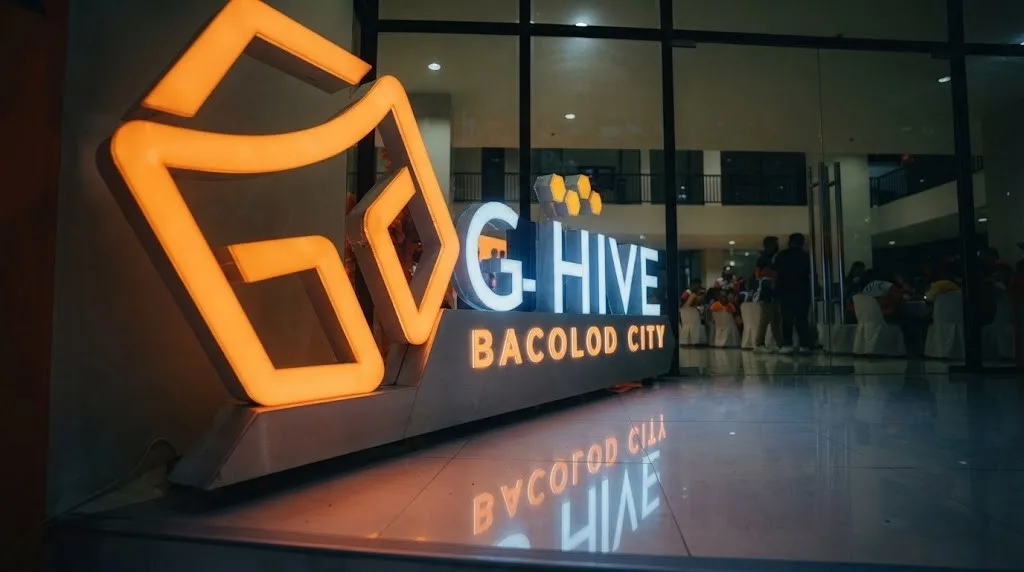
A City Can Be Interesting Without Building Another Landmark
BACOLOD - Tourism is often associated with monuments, beaches, museums, and famous restaurants, but cities also reveal themselves through the places where people work and create. G-Hive is an example of this broader idea, offering dedicated facilities for creative professionals and MSMEs. Its Foundry, Studio, Academy, and Gallery are designed around different stages of creative and entrepreneurial activity. That makes the project interesting not because it replaces Bacolod's traditional attractions, but because it adds another layer to understanding the city. It shows that a destination can also be appreciated through its local talent and the infrastructure created to support them. For travelers who are interested in how cities develop new industries, this kind of facility can be just as informative as visiting a heritage site.
The Digital Economy Is Becoming Part of the Local Story
Graphic artists, animators, game developers, filmmakers, fashion designers, and other creative professionals represent a very different picture of Bacolod from the one usually presented in tourism brochures. G-Hive's facilities were created to give these sectors a place to develop skills, produce work, and display innovations. The PNA reported that the city is offering the facility to eligible creatives and MSMEs free of charge while operational guidelines are being developed. That detail matters because it shows that the project is intended not merely as decoration but as a working environment for local talent. The facility also reflects the changing nature of work, where creativity and technology can become important parts of local economic development. For visitors, this provides an opportunity to understand that Bacolod's future is being shaped not only by established industries but also by people working in newer and increasingly digital fields.
For Curious Travelers, This Is the Fun Fact
One of the more unexpected things to know about Bacolod is that a city associated with sugar, food, festivals, and hospitality is also building infrastructure for modern creative careers. G-Hive gives that trend a physical address, even if it is not yet a conventional tourist attraction. Visitors should therefore think of it as a place to watch rather than automatically assume it belongs on every sightseeing itinerary. Its real value may become clearer over time as artists, entrepreneurs, and creative businesses begin using the space and producing work there. If the facility develops into a place where exhibitions, workshops, or public activities are regularly held, it could eventually become more relevant to visitors interested in contemporary Bacolod.