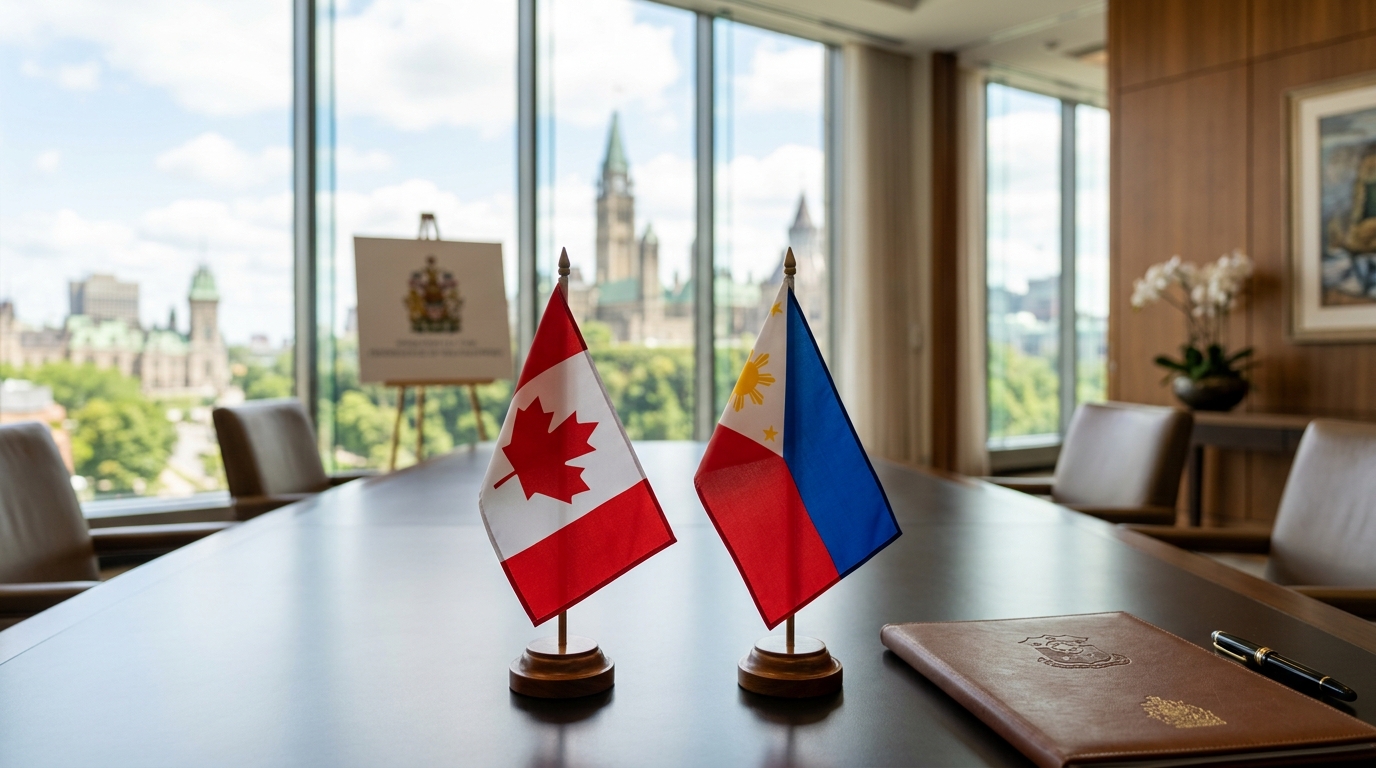
President Ferdinand "Bongbong" Marcos Jr. is set to embark on a significant visit to Canada in July, with the primary objective of advancing strategic and economic ties between the Philippines and the North American nation. This high-level engagement signifies a concerted effort to deepen cooperation across various sectors, a development closely watched by the vast Filipino community residing in Canada and those in the Philippines aspiring for overseas opportunities.
Accelerating Free Trade Negotiations and High-Tech Sector Access
While specific details of the agenda remain forthcoming, such a visit typically involves discussions on enhancing trade, fostering investment, and exploring potential avenues for labor cooperation. Canada is a prominent destination for Filipino immigrants and temporary foreign workers, making any developments in bilateral relations particularly pertinent to the Filipino diaspora and the future of overseas Filipino workers (OFWs). Strengthened economic ties could translate into more robust business partnerships, potentially creating jobs both in the Philippines through Canadian investments and in Canada through expanded labor programs.
Securing Migration Protection Frameworks and Streamlining Remittance Corridors
This diplomatic visit holds considerable weight for the Philippines, given Canada's status as a key economic partner and a welcoming host to a significant population of Filipinos. The Filipino community contributes substantially to Canada's diverse workforce and economy, while their remittances play a vital role in the Philippine economy. Any agreements or frameworks established during this visit could streamline processes for Filipinos seeking employment, education, or permanent residency in Canada, or improve the welfare and rights of those already there. It could also open doors for Filipino businesses and products in the Canadian market, further bolstering economic exchange.
Auditing Post-Summit Policy Ingress for Professional Mobility
Filipinos residing in Canada, as well as those considering migration or temporary work abroad, should closely monitor the outcomes of President Marcos's visit. While immediate policy changes are unlikely, the groundwork laid during this engagement could influence future immigration policies, labor agreements, and investment flows that directly impact Filipino professionals, skilled workers, and their families. Staying informed through official government channels and reputable news sources will be crucial for understanding how these evolving strategic and economic ties between Canada and the Philippines may shape future opportunities and support systems for the global Filipino community.