


A Crop That Has Stood the Test of Time
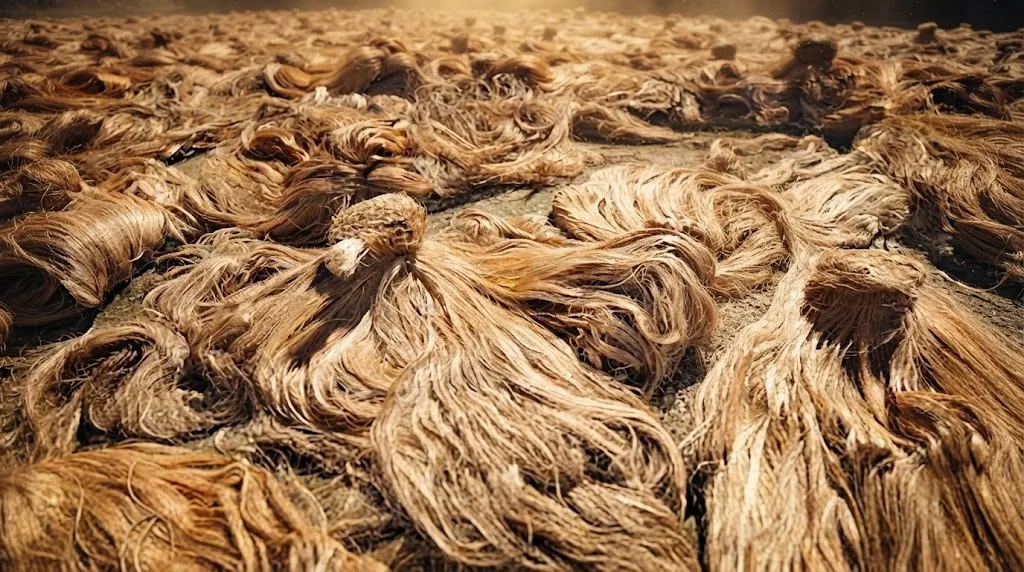
LEYTE - Abaca has been cultivated in the Philippines for centuries, and Leyte remains one of the regions where farmers continue to grow this valuable crop. Unlike food crops harvested for consumption, abaca is planted for its strong fibers, which are extracted from the plant's stalk after months of careful cultivation. Farmers rely on experience and patience to ensure healthy growth before harvesting and processing the fibers. This traditional agricultural practice has become an important source of livelihood for many rural families while preserving farming techniques passed down through generations. The province's favorable climate provides suitable growing conditions that allow abaca plants to flourish in many farming areas. Because the crop can be cultivated alongside other agricultural products, it also contributes to diversified farming systems that help strengthen rural livelihoods. These qualities have helped keep abaca farming relevant even as agricultural practices continue to evolve.
From Leyte's Farms to Everyday Products
Many people are surprised to learn how widely abaca fibers are used after leaving the farm. They become raw materials for specialty paper, tea bags, coffee filters, ropes, handicrafts, furniture, fashion accessories, and eco-friendly packaging. Their exceptional strength and natural resistance to saltwater have made abaca fibers valuable for numerous industrial and commercial applications. Choosing products made from natural fibers also supports more sustainable alternatives to synthetic materials, making abaca increasingly important in today's environmentally conscious markets. Local artisans also incorporate abaca into handcrafted products that showcase Filipino creativity and craftsmanship. Visitors exploring souvenir shops and local markets may encounter beautifully woven items that highlight the versatility of this remarkable fiber. Purchasing these locally made products helps support both farming communities and small-scale artisans across the province.
An Agricultural Heritage Worth Discovering
Travelers looking for meaningful experiences beyond beaches and historical sites can gain a deeper appreciation of Leyte by learning about its agricultural industries. Abaca farming demonstrates how the province balances tradition, sustainability, and economic opportunity through responsible cultivation of natural resources. Visiting rural communities, exploring local markets, and discovering products made from locally grown fibers provide a richer understanding of the province's agricultural identity. Sometimes the most fascinating stories are not found inside museums but within the fields where generations of farmers continue cultivating crops that connect Leyte to markets around the world. Agriculture remains one of the foundations of life in many parts of the province, and abaca serves as an excellent example of how local resources can have global significance. By recognizing the role of these farming communities, visitors leave with a greater appreciation for the people whose dedication helps preserve both livelihoods and traditional industries. It is another reminder that Leyte offers far more than scenic destinations—it also tells inspiring stories through its fields and farms.
