A New Generation Is Changing Agriculture
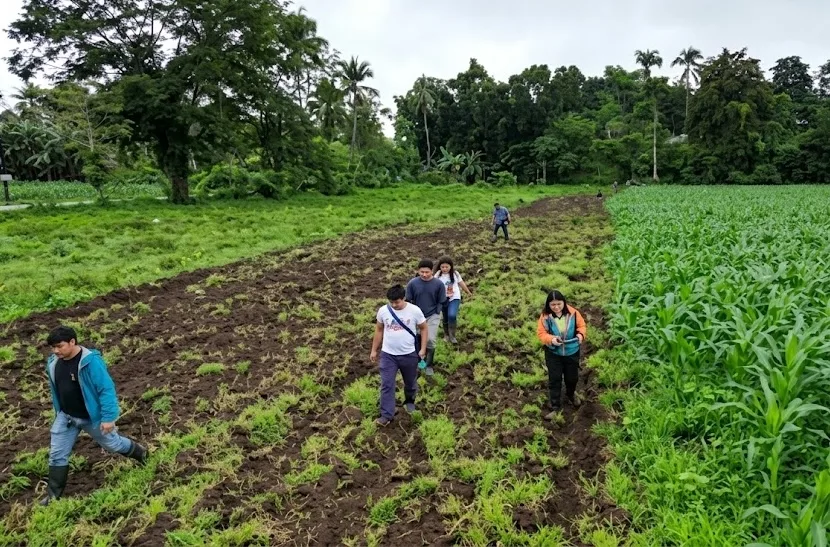
OZAMIZ CITY - Many young entrepreneurs are proving that farming can be both sustainable and commercially successful. Through the Young Farmers Challenge, participants receive mentorship and startup assistance that help transform practical ideas into growing enterprises. Instead of relying solely on traditional production, many integrate digital platforms, product innovation, and direct customer engagement into their operations. These approaches create businesses that are competitive while remaining rooted in agriculture. Ozamiz City's participation demonstrates how modern farming increasingly combines technology, entrepreneurship, and practical agricultural knowledge.
Local Businesses Benefit From Local Producers
Successful agricultural enterprises create value far beyond the farm itself. Poultry growers, vegetable producers, and other local suppliers support restaurants, bakeries, retailers, and food processors that depend on reliable sources of fresh products. Keeping these supply chains within the community strengthens local commerce while encouraging business partnerships. Consumers also benefit from improved product availability and fresher locally produced goods. As more agricultural entrepreneurs expand their operations, Ozamiz develops stronger connections between farming and its growing business sector, creating opportunities throughout the local economy.
Innovation Keeps Rural Economies Moving Forward
Agriculture continues evolving as entrepreneurs embrace better management practices, biosecurity, branding, and online marketing. These improvements allow smaller enterprises to compete more effectively while attracting younger people who may not have previously considered farming as a profession. Government support programs encourage this transformation by providing guidance alongside financial assistance for qualified participants. As more innovators enter agriculture, Ozamiz City strengthens one of its most important industries while demonstrating that modern farming can be both economically rewarding and forward-looking for future generations.