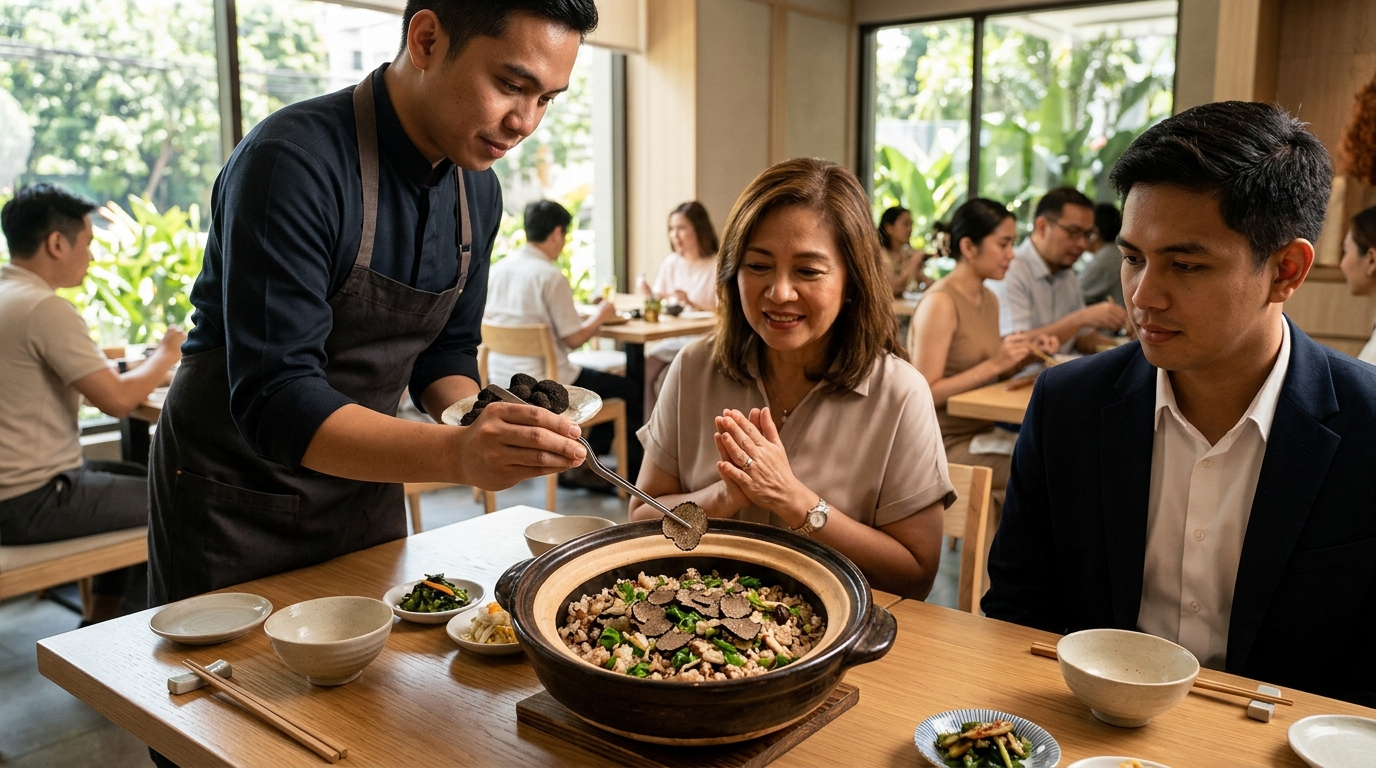
Philippines — A Japanese restaurant in the Philippines has captured significant attention for its truffle claypot rice, a dish reportedly 'stealing the spotlight' among diners. While specific details about the establishment remain undisclosed, this culinary highlight points to a dynamic shift within the Philippine gastronomic landscape, a trend highly relevant to the Filipino community both at home and among overseas workers. The rise of a signature dish like truffle claypot rice, a fusion of international ingredients and techniques, reflects a burgeoning appetite among Filipino consumers for diverse, high-quality international dining.
Leveraging Expats' Exposure to Accelerate Local Market Maturity
This trend signals economic vibrancy and increasing openness to global culinary influences, resonating deeply with many Overseas Filipino Workers (OFWs). Exposed to myriad international cuisines, OFWs often return with refined palates and a demand for global standards, which fuels the local restaurant industry, creating new job opportunities for Filipino chefs, service staff, and suppliers. Such culinary successes also benchmark local talent. Filipino hospitality professionals can draw inspiration, potentially innovating local cuisine or new fusion concepts, and encouraging a culture of culinary excellence.
Stimulating Local Agriculture Pathways and Unlocking Tourism Revenue
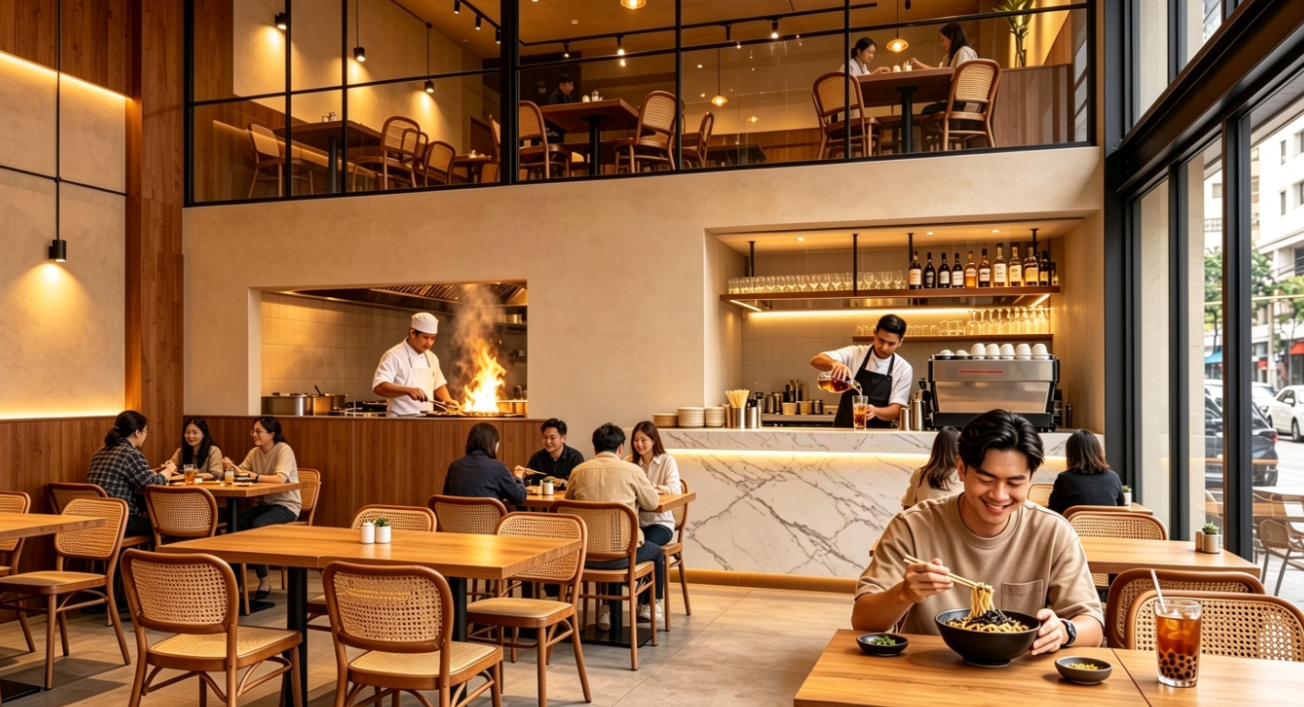
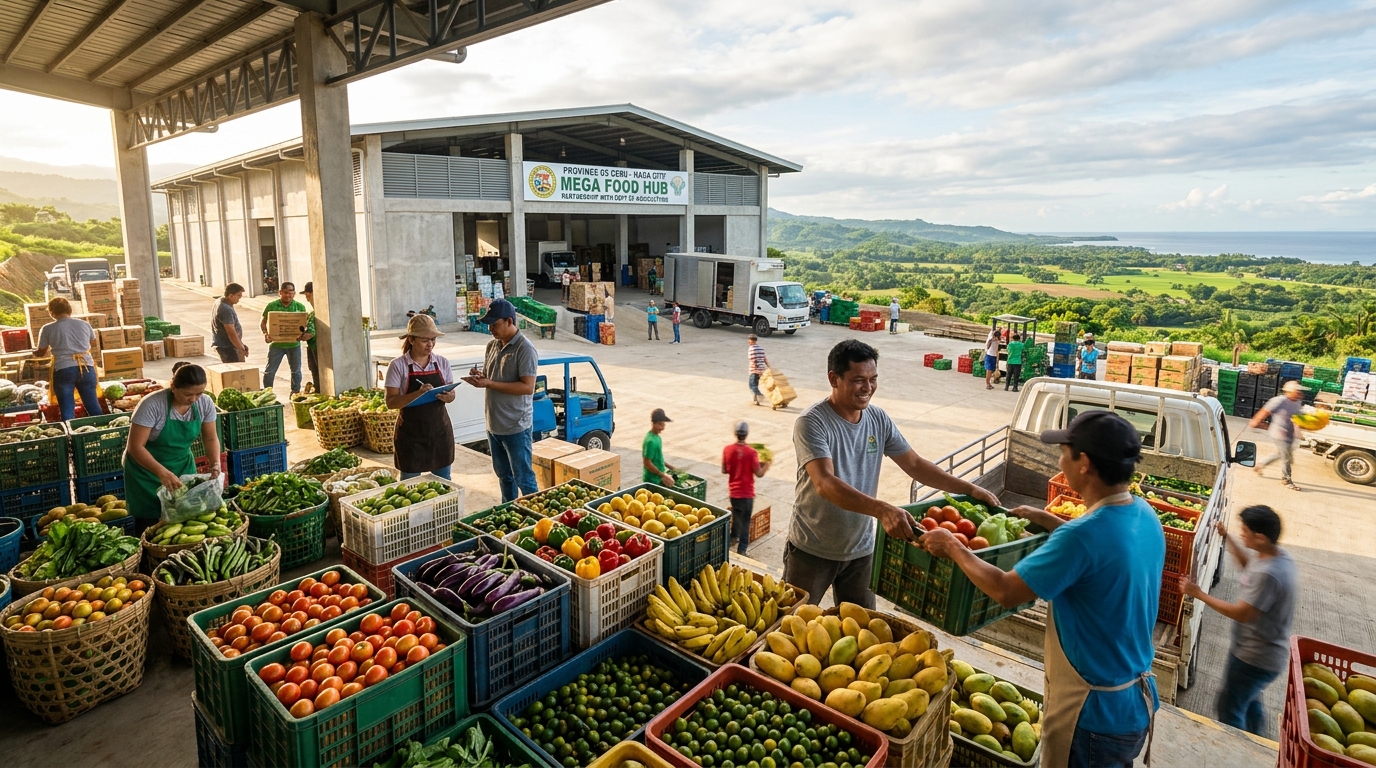
This news about a popular dish holds significant weight for the Philippine economy and cultural identity. A thriving restaurant sector, bolstered by local and international concepts, contributes to job creation, stimulates local agriculture, and enhances the Philippines' appeal as a culinary destination for tourists and returning OFWs. It signifies market maturation where quality and innovation are increasingly rewarded, fostering a cosmopolitan identity integrating global influences.
Preparing Hospitality Trajectories for Specialized Multi-National Concepts
For Filipinos, particularly those eyeing hospitality careers, this trend highlights growing demand for skilled professionals proficient in diverse culinary techniques and international service standards. OFWs returning home with international experience could find fertile ground for employment or entrepreneurship in this expanding market. Consumers can anticipate continued diversification of dining options, reflecting a globalized palate. This evolution underscores the dynamic interplay between global trends and local aspirations, creating a vibrant future for Filipino gastronomy.