


The People Helping Traffic Keep Moving
OZAMIZ CITY - For many residents, the workday begins with getting on the road. Traffic enforcers help manage busy areas, guide motorists, and respond when traffic conditions become difficult. Ozamiz has long recognized the importance of this work, with city traffic enforcers participating alongside police, port authorities, Coast Guard personnel, and emergency agencies in preparedness exercises at the city's seaport. These workers are part of the everyday system that helps people reach schools, workplaces, markets, terminals, and other destinations. Their presence can be easy to overlook precisely because their job is to help keep ordinary movement as orderly as possible.
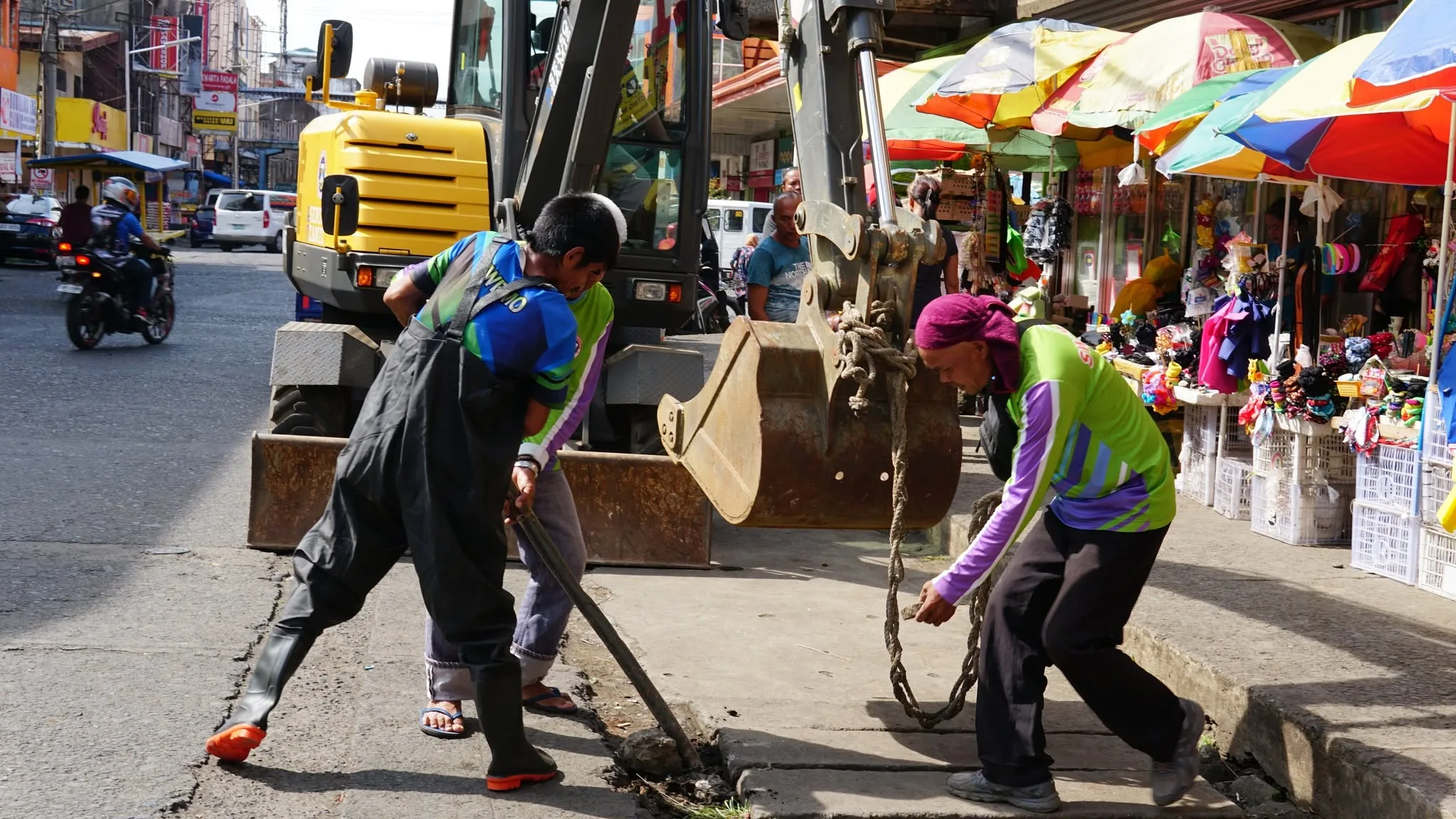
The Workers Behind Cleaner Public Spaces
Clean streets do not happen automatically. Sanitation crews, street cleaners, garbage collectors, and other maintenance workers contribute to the condition of public areas long before residents think about who made them that way. Ozamiz's 2026 Waste Analysis and Characterization Study involved all 51 barangays, showing how much work goes into understanding the city's waste and improving its long-term management. While the study is about planning, the people who handle waste and maintain public spaces remain an important part of making those plans work in real life. Their contribution is especially visible after busy days, public activities, and ordinary household waste collection.
The Teams Residents Count On When Things Go Wrong
Some of the city's least visible workers become most important when something unexpected happens. Emergency responders, disaster personnel, firefighters, police officers, and other frontline teams can be called upon during accidents, emergencies, severe weather, and public events. Ozamiz's disaster-response and security agencies regularly work alongside other government and community groups, reflecting how much coordination is required to keep residents safe. The city's emergency personnel may not always be noticed during a normal day—and that is partly the point. Their readiness gives residents an additional layer of support when an ordinary day suddenly becomes an emergency.
