


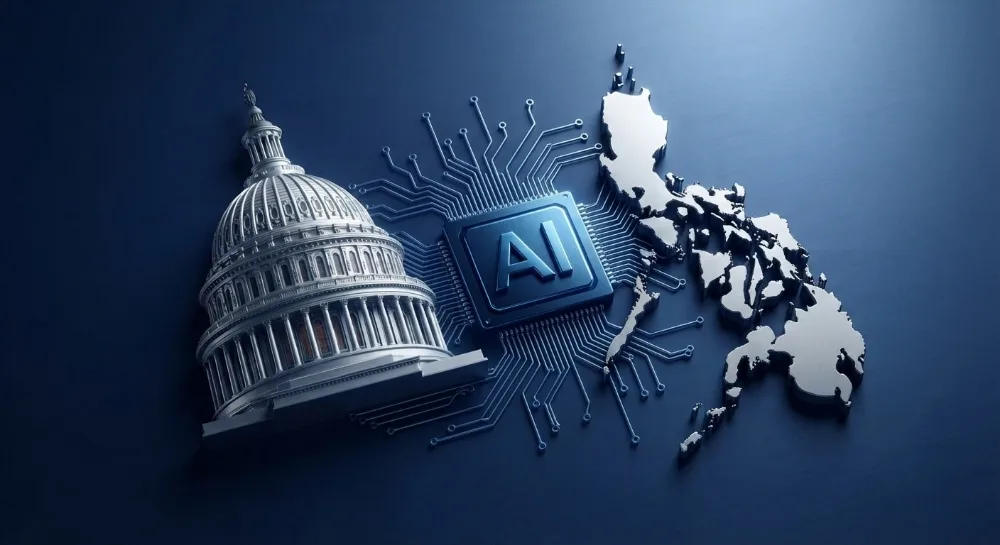
The United States is embarking on a strategic initiative, metaphorically termed "Pax Silica," to establish its dominance in the burgeoning Artificial Intelligence (AI) economy. This ambitious blueprint outlines America's vision for an economic future fundamentally driven by AI technologies, signaling a profound shift in global industry and labor markets. The strategic focus on silicon-based innovation underscores a commitment to leading the next technological revolution, with far-reaching implications for economies worldwide.
Accelerating Semiconductor Fabrication, Critical Minerals Vetting, and AI Infrastructure
This proactive stance by the U.S. aims to accelerate AI research, development, and deployment across various sectors, from manufacturing and healthcare to services and defense. Such a comprehensive national strategy is expected to foster innovation, create new industries, and significantly enhance productivity. However, it also portends a transformation of the global employment landscape, necessitating new skill sets and potentially automating tasks traditionally performed by human labor. As the world's largest economy sets this direction, countries like the Philippines and their vast diaspora of skilled workers will inevitably feel the ripple effects.
Upskilling the BPO Workforce and Offsetting Automation Pressure
For Filipinos, both at home and as Overseas Filipino Workers (OFWs), America's AI economy blueprint is a critical development. The Philippines' economy, heavily reliant on remittances and a robust Business Process Outsourcing (BPO) sector, could experience significant changes. While AI might automate some routine BPO tasks, it could also open doors for higher-value services requiring human-AI collaboration, data analytics, or specialized AI support. OFWs in traditional sectors like healthcare, IT, and administrative roles in the United States and other countries might find their roles evolving, requiring continuous upskilling to remain competitive. Understanding this shift is crucial for career longevity and seeking new opportunities.
Engineering 4,000-Acre New Clark City AI Hubs and Stanford Educational Curricula
Filipinos must proactively prepare for the AI-driven future. This involves prioritizing education and training in areas complementary to AI, such as data science, machine learning, cybersecurity, and advanced technical skills. For OFWs, exploring opportunities in AI development, maintenance, or integration roles within their current industries could be beneficial. Even in non-tech fields, familiarity with AI tools and digital literacy will become increasingly essential. The Philippines, too, needs to invest in AI infrastructure and education to nurture a workforce capable of participating in and benefiting from this global technological transformation, ensuring its citizens can thrive in the evolving global job market.
No people
