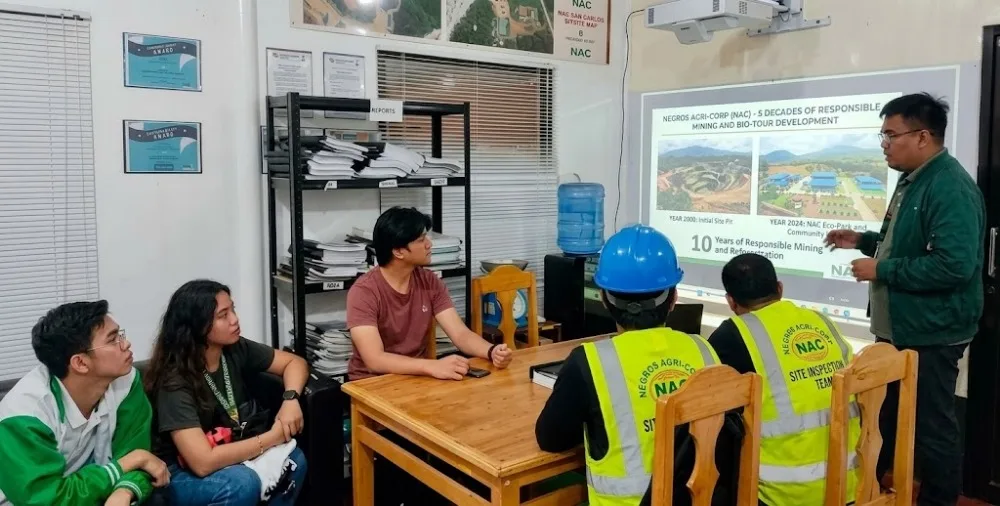
PALAWAN — University of the Philippines (UP) mining engineering students recently took their classroom knowledge to the field, engaging in comprehensive hands-on training at the Rio Tuba Nickel Mining Corporation (RTNMC) in Bataraza, Palawan. This immersive experience allowed the next generation of engineers to observe the complexities of large-scale nickel mining operations firsthand, bridging the gap between theoretical study and real-world industrial application. By working within the active mining environment, students gained a deeper understanding of sustainable mineral extraction, mine site rehabilitation, and the rigorous safety standards that define modern operations. Such exposure provides invaluable perspective as these students prepare to become the leaders who will shape the future of the Philippine mining industry.
Mastering The Fundamentals Of Modern Large-Scale Mining Operations
The field program at the RTNMC site serves as a vital bridge for students, exposing them to the technical requirements of lateritic nickel mining in a professional setting. As they navigate the mine’s facilities, students learn the intricacies of saprolite and limonite ore extraction, processes that form the backbone of the region’s economic output. The training environment is enhanced by state-of-the-art infrastructure, including the newly inaugurated Safety and Skills Training Center, where students can observe how industrial safety tools are integrated into daily operations. By witnessing these high-stakes procedures in action, engineering candidates gain the technical competence needed to manage complex mineral processing workflows effectively.
Observing Sustainable Strategies For Effective Mine Site Rehabilitation
A key component of the student training involves studying the advanced environmental management practices employed to rehabilitate mined-out areas in Bataraza. Students are given the chance to see how responsible mining companies manage soil conservation, erosion control, and reforestation efforts to ensure the long-term health of the surrounding ecosystem. This firsthand look at sustainability helps budding engineers understand that their future roles involve much more than extraction; they are responsible for the careful stewardship of the land. By analyzing the site’s successful ecological restoration projects, students are better prepared to champion environmentally conscious engineering designs in their own future professional careers.
Exploring Career Pathways Within The Dynamic Philippine Mining Sector
Beyond technical engineering skills, this hands-on experience provides students with a broader view of the career opportunities available within the country's mineral resource development sector. Interacting with industry professionals allows them to see how diverse teams—from safety officers to environmental planners—collaborate to drive the success of world-class operations like RTNMC. The training also highlights the importance of the Social Development and Management Program (SDMP), illustrating how mining activities create positive impacts for host communities. As they complete their internships, these students return to the university not only with enhanced technical knowledge but with a clear vision of