Understanding the Value of Rice in Every Household
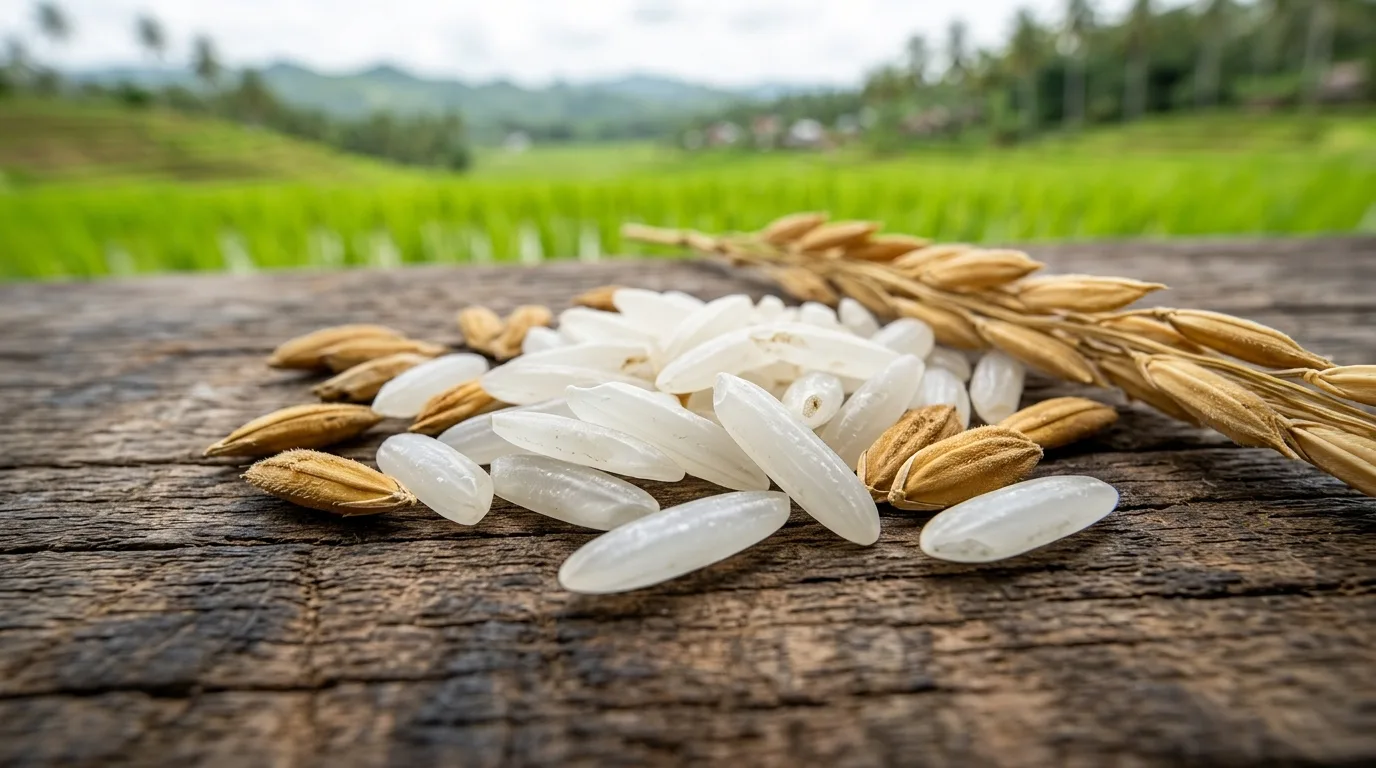
BOHOL - Rice is more than a regular part of Filipino meals; it is an important food source that connects household budgets, agricultural livelihoods, and the country's food supply. Recognizing its value encourages families to prepare meals responsibly, serve appropriate portions, store uncooked rice properly, and avoid throwing away edible leftovers. Small household practices can make a difference when adopted consistently across communities. National Rice Awareness Month reminds Boholanos that valuing rice begins with understanding the effort and resources required to bring every grain from the farm to the dining table.
Reducing Rice Waste Through Everyday Habits
Preventing rice wastage does not require complicated changes. Families can plan meals before cooking, measure rice according to the number of people eating, and refrigerate leftover cooked rice promptly in clean, covered containers. Properly stored leftovers can be reused in suitable dishes, provided they are handled and reheated safely. Households can also become more mindful of serving sizes during gatherings, celebrations, and everyday meals. Restaurants, schools, and food establishments can contribute by improving portion planning and managing excess food responsibly. These simple practices help households make better use of their food while reducing unnecessary expenses and waste.
Supporting Local Farmers and Bohol's Food Security
Responsible consumption is only one part of building a more reliable food supply. Supporting local rice farmers through awareness, community markets, agricultural programs, and responsible purchasing can help strengthen the connection between consumers and producers. Investments in farm productivity, irrigation, quality seeds, post-harvest facilities, and access to markets are also important to maintaining local rice production. The Provincial Government of Bohol's call for greater rice awareness highlights the shared role of households, communities, and agricultural stakeholders in promoting food self-sufficiency. By appreciating farmers' work, reducing waste, and supporting initiatives that improve local production, Boholanos can contribute to a more resilient food system for present and future generations.