Solar Power Moves Into Campus Life
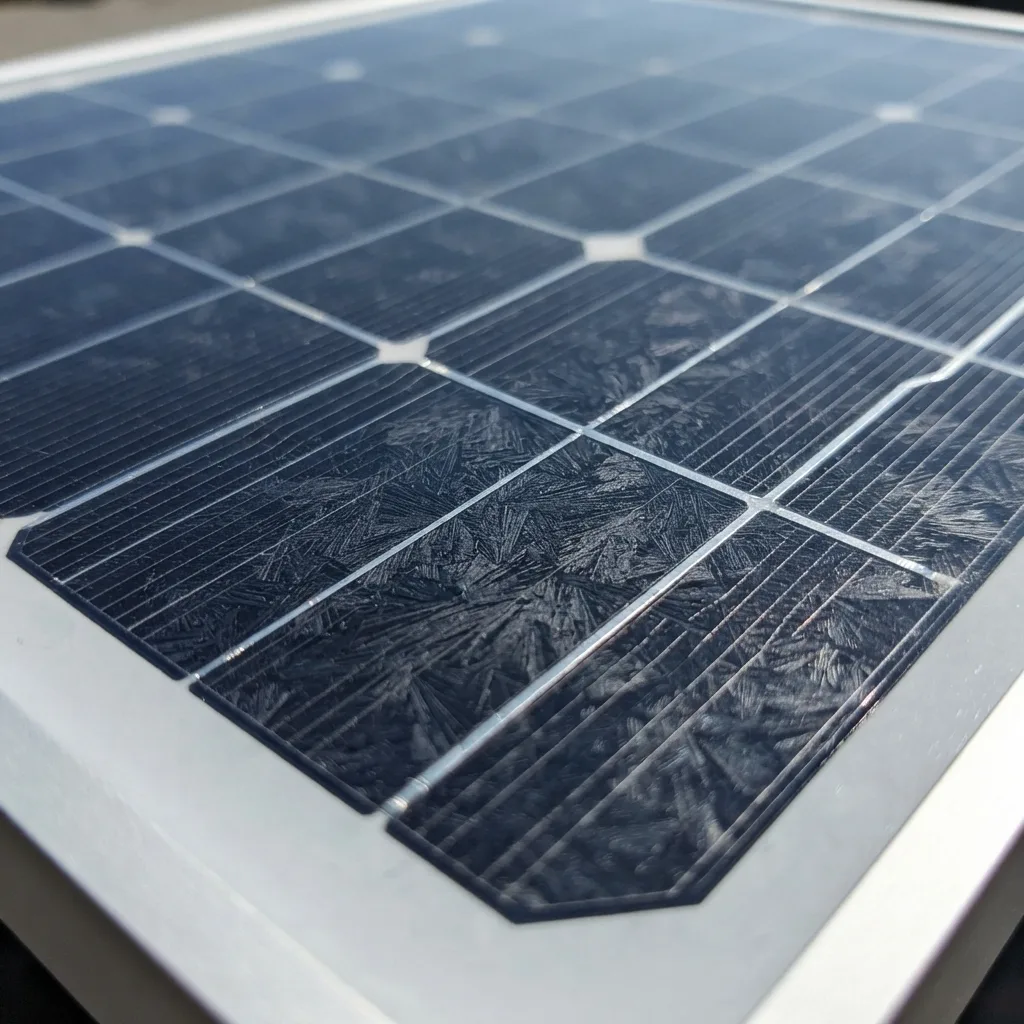
LEYTE - The hybrid solar power system is designed to provide electricity for essential ICT infrastructure at VSU. The university described the project as part of its continuing commitment to clean and renewable energy, noting its recognition in the 2026 Times Higher Education Sustainability Impact Ranking. Rather than treating solar power as a demonstration project that exists only for display, the system is connected to equipment that the university relies on for its operations. That makes the project a practical part of campus life.
A University That Also Functions as a Living Laboratory
VSU's location in Baybay gives the project another layer of significance. A university is not only a place where students attend classes; it can also serve as a setting where new technologies and sustainability practices are introduced, tested, and observed. The solar installation fits naturally into that environment because students and researchers can see renewable-energy infrastructure being used as part of an operating institution. It also complements other infrastructure improvements at the university, including newly completed academic facilities turned over by DPWH in 2026.
Why This Is Interesting Beyond the Campus
The value of a project like this goes beyond reducing reliance on conventional electricity sources. Reliable power is particularly important for digital learning, research, communications, laboratories, and other university functions that depend heavily on technology. VSU has described the installation as a way to strengthen ICT resilience while continuing its clean-energy efforts. For Baybay and the wider Leyte community, it provides a local example of how renewable energy can become part of ordinary institutional infrastructure rather than remaining an idea discussed only in classrooms.