


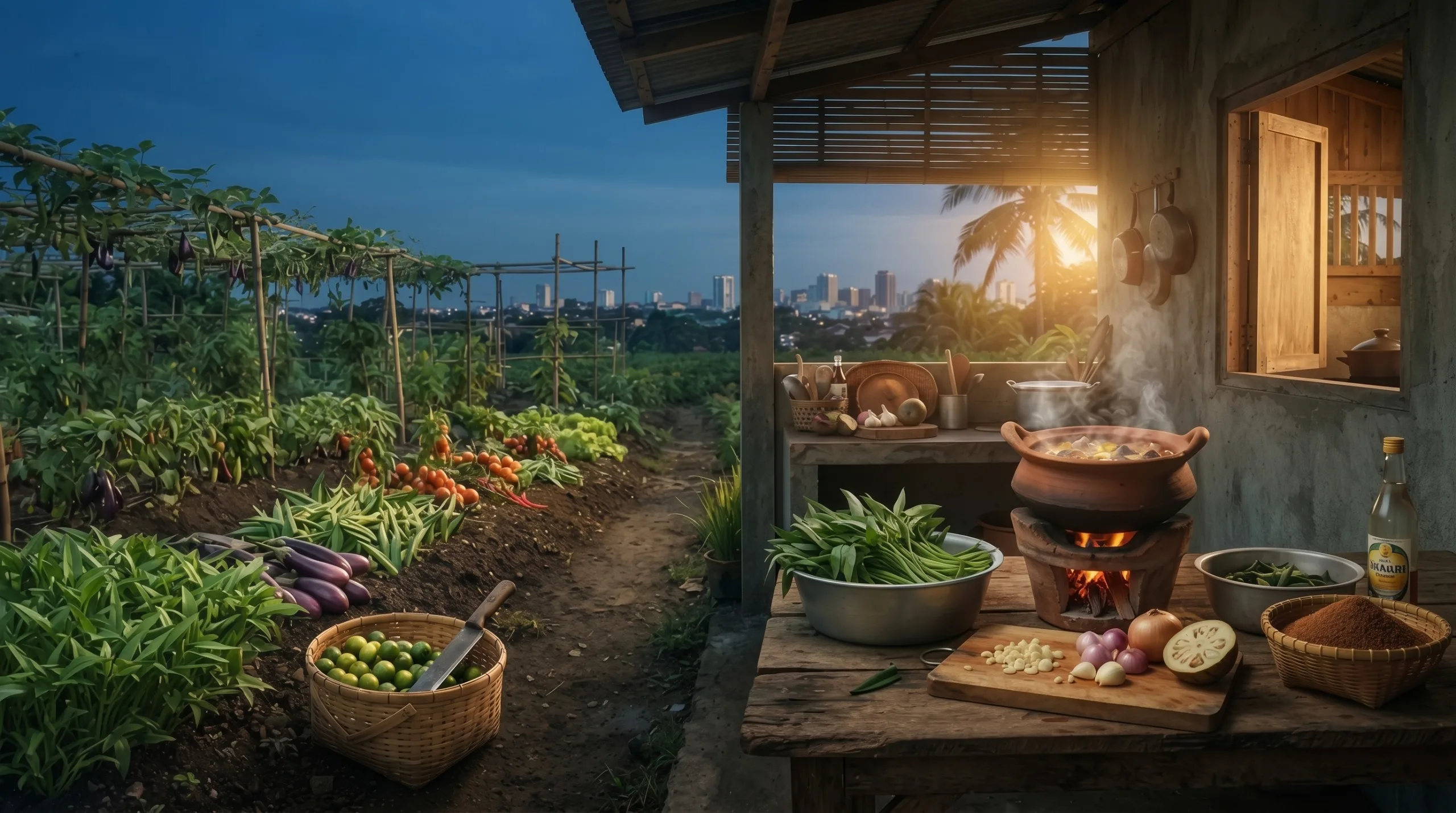
The Journey Starts Outside the City
BACOLOD - Many ingredients used in Bacolod kitchens begin their journey in agricultural communities outside the urban center. Negros Occidental is widely associated with agriculture, particularly sugarcane, while farmers across the province also produce vegetables, fruits, livestock, poultry, and other products that can enter local food markets. Once harvested, products need to be collected, sorted, transported, and brought to buyers. The journey can involve farmers selling directly, traders purchasing produce, wholesalers distributing goods, and vendors receiving products for public markets. By the time ingredients arrive in Bacolod, several people may already have contributed to getting them from the farm to the city.
Public Markets Connect Producers With Everyday Kitchens
Markets are an important part of this system because they bring large quantities and varieties of food closer to consumers and businesses. Bacolod Central Market, Libertad Market, and Burgos Market are examples of places where shoppers can encounter fresh produce, meat, seafood, rice, spices, and other ingredients used in everyday cooking. Restaurants and food businesses may also depend on networks of suppliers rather than purchasing every ingredient directly from a farm. A restaurant along Lacson Street or in Mandalagan, for example, may source ingredients through market vendors, distributors, specialized suppliers, or direct arrangements depending on its menu and operations. This means the food served in a city kitchen can represent a much wider supply chain than the restaurant itself.
From Local Ingredients to Bacolod Meals
The final stage happens when ingredients become the dishes people recognize as part of Bacolod's food culture. Local restaurants, carinderias, cafés, bakeries, hotels, and household kitchens transform agricultural products into meals that are served throughout the city. Chicken, vegetables, rice, fruits, seafood, sugar, and other ingredients can take different routes depending on where they are produced and how they are purchased. For residents and visitors, this connection can be seen by looking beyond the finished dish. A meal enjoyed around Lacson Street, Mandalagan, downtown Bacolod, or the city's neighborhood communities may have started with farmers working far outside the city. Understanding that journey gives greater context to the role of markets, agricultural communities, transport networks, and local food businesses. The distance between a farm and a Bacolod kitchen may be measured in kilometers, but the food supply chain connects many people and places along the way.
