The Journey Begins After Cooking
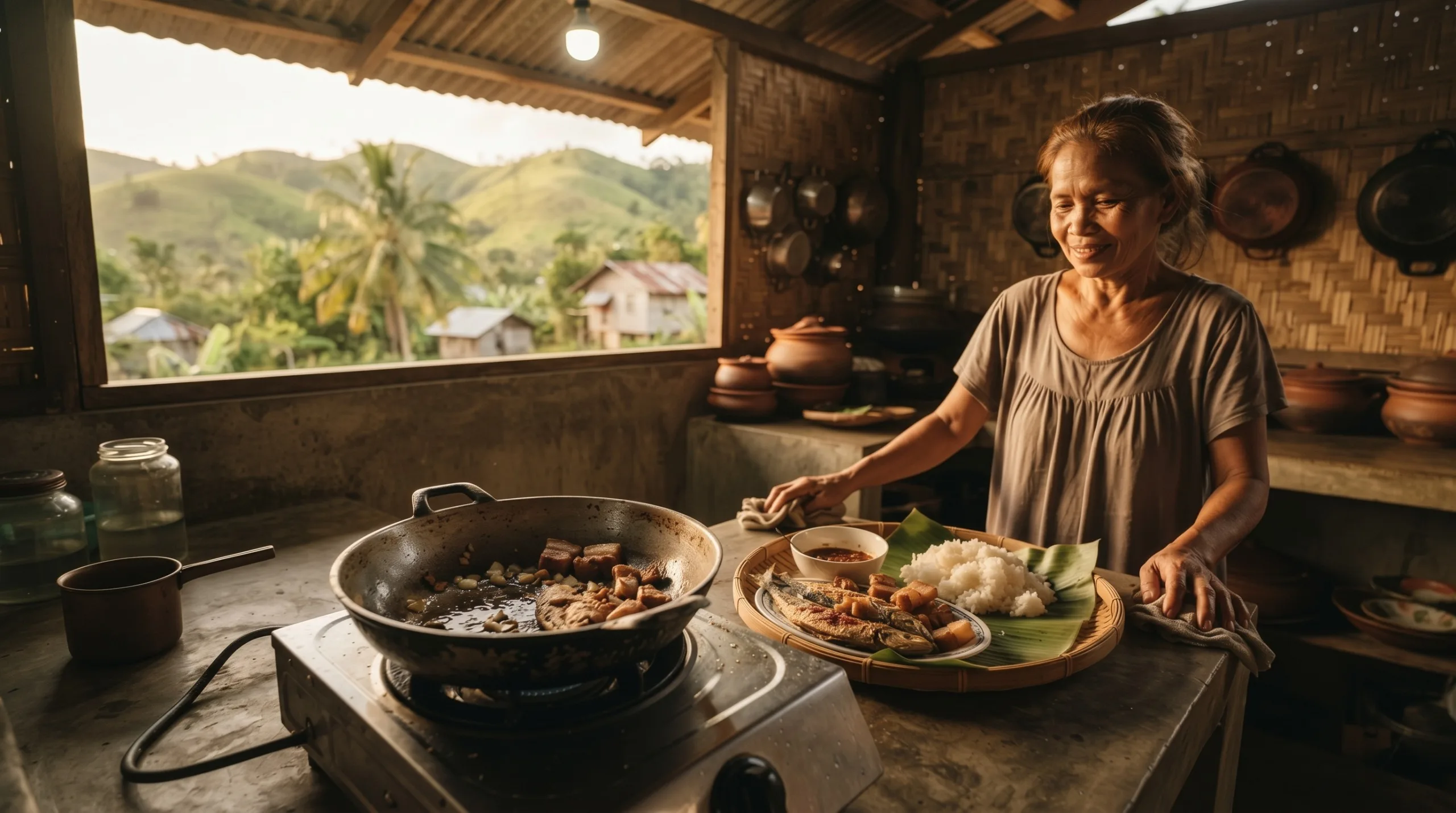
BOHOL - After frying fish, meat, or other dishes, kitchens are left with cooking oil that may no longer be suitable for preparing food. In homes, eateries, restaurants, and hotels across Bohol, this waste can accumulate quickly, particularly in establishments that regularly prepare fried dishes. Instead of pouring leftover oil into sinks, toilets, canals, or open ground, it should be allowed to cool and stored in a secure, leak-proof container. Improper disposal can contribute to clogged drainage systems and contamination of soil and water. For households and food businesses in places such as Tagbilaran City, Panglao, and Dauis, understanding what happens to used cooking oil is an important part of responsible waste management.
From Kitchen Waste to a Potential Resource
Used cooking oil does not always have to end up as waste. When properly collected and handled, it may be suitable for processing into products such as biodiesel, industrial materials, or other non-food applications, depending on its condition and the available treatment process. However, not all used oil is accepted for recycling, and contaminated oil may require different handling. Restaurants and food businesses can help by separating used cooking oil from food scraps, water, cleaning chemicals, and other waste. Keeping the oil in labeled, sealed containers also makes collection and transport easier. Before handing it over, businesses should check whether the collector and receiving facility are authorized to handle the material under applicable regulations.
Small Disposal Habits Can Protect Bohol's Environment
Responsible used-oil management is particularly important in communities where drainage systems, rivers, coastal areas, and groundwater resources are connected to everyday life. Households can collect cooled oil in a closed container and ask their local government or waste-management provider about accepted disposal or recycling arrangements. Restaurants and commercial kitchens can establish a designated storage area and maintain a regular collection schedule. Bohol already has environmental programs that address pollution control, ecological waste management, and the proper handling of waste materials. By treating used cooking oil as a material that requires careful handling rather than something to discard casually, residents and businesses can help reduce pollution and support cleaner communities across the province.