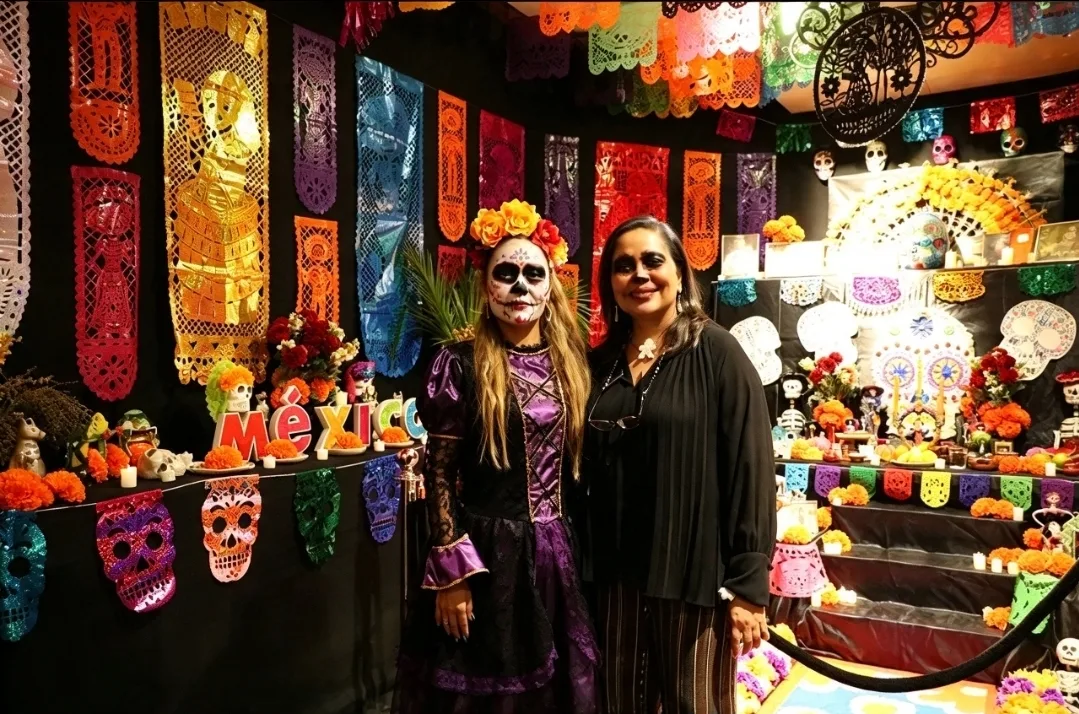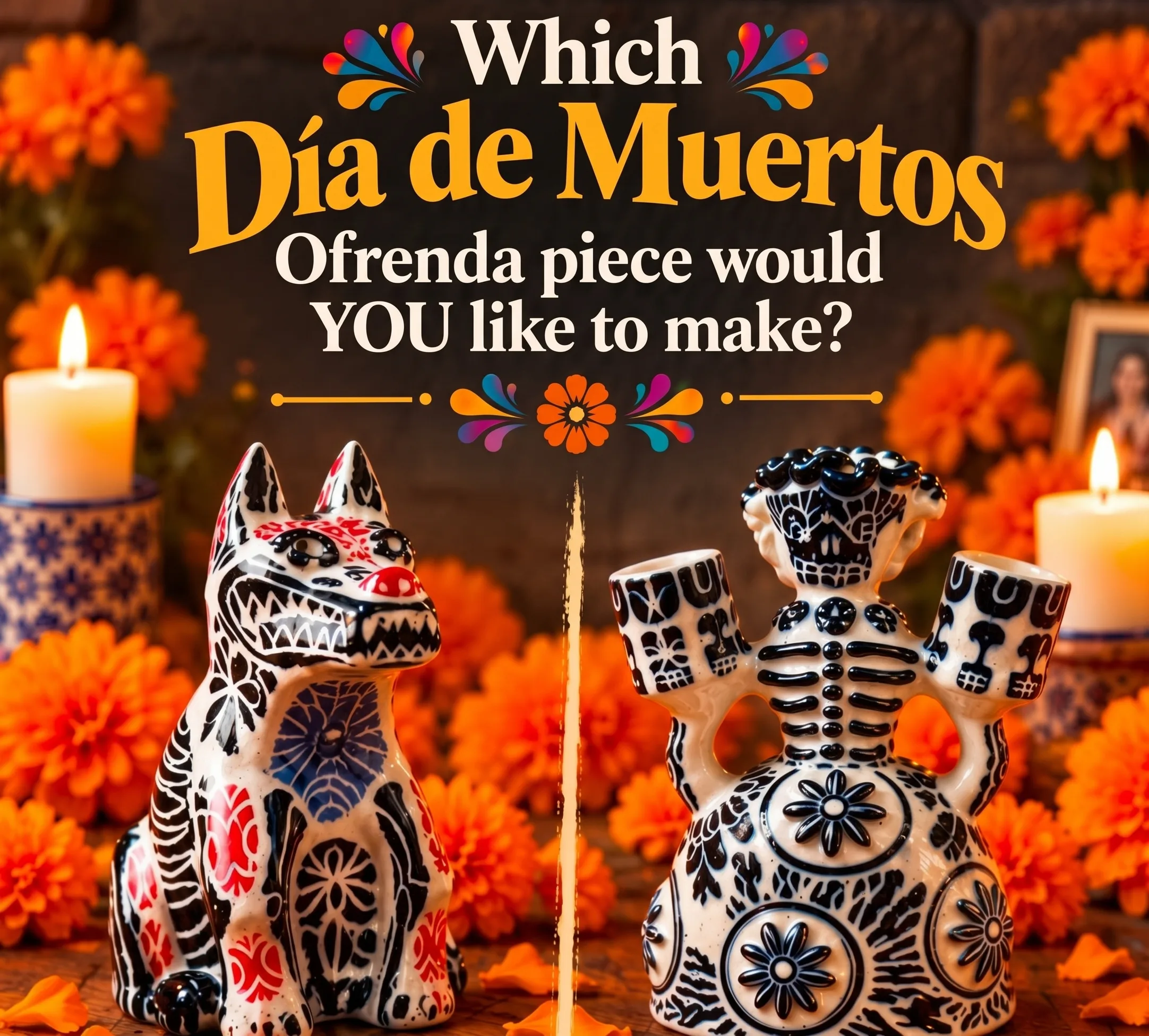
MAKATI CITY — The Museo ng Makati is opening its upcoming Día de Muertos celebration to the public through a hands-on clay workshop series in partnership with Tahanan Pottery. The activity gives participants an opportunity to explore the artistry behind the Mexican tradition while creating pieces that will later become part of the museum’s Ofrenda Exhibition. Participants can choose from five Ofrenda-inspired creations: Xolo: Spirit Guide, La Catrina Candelabro, Calavera Candleholder, Platos para la Ofrenda, and Nicho Box Frame. Once completed, the clay works will be displayed as part of the museum’s Día de Muertos Ofrenda, allowing participants to contribute directly to a public cultural installation.
Discovering the Stories Behind the Ofrenda
Día de Muertos, or Day of the Dead, is a Mexican tradition centered on remembering and honoring departed loved ones. At the heart of the celebration are ofrendas, or altars decorated with meaningful objects such as candles, flowers, food, and personal keepsakes. Each piece featured in the workshop carries its own cultural symbolism. The Xolo, or Xoloitzcuintli, is an ancient Mexican hairless dog traditionally believed to guide souls through the underworld. La Catrina, meanwhile, is the elegantly dressed skeletal figure that has become one of the most recognizable symbols associated with Día de Muertos. The Calavera Candleholder and Platos para la Ofrenda contribute elements of light and offerings to the altar, while the Nicho Box Frame creates a dedicated space for remembrance. Through clay-making, participants can experience these symbols not simply as decorative objects but as expressions of memory, artistry, and cultural tradition.
Bringing Global Culture Into Makati
The workshop series brings together Museo ng Makati and Tahanan Pottery, a ceramics studio recognized for its structured yet approachable approach to pottery. Located in a historic building along J.P. Rizal Street in Poblacion, Museo ng Makati continues to provide a venue for cultural activities that connect the community with both local heritage and traditions from around the world. The Día de Muertos program offers another example of this approach by encouraging visitors to learn about a distinct cultural celebration while actively contributing to its artistic presentation. Through the collaboration, participants become part of an experience that combines creativity, remembrance, and cultural exchange within the heart of Makati.