PHILIPPINES – The Department of Health‑Negros Island Region (DOH‑NIR) launched its Measles‑Rubella Supplemental Immunization (MRSI) campaign in Sibulan town on Aug. 7, 2026, with the World Health Organization (WHO) pledging strong support. The initiative targets 437,586 children in Negros and Siquijor and is part of a nationwide push to protect over 6.2 million young Filipinos.
A Lifesaving Campaign for the Most Vulnerable
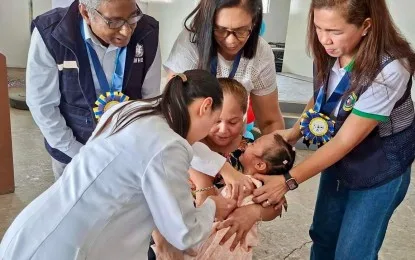
The MRSI campaign focuses on children aged six to 59 months, the group most susceptible to severe measles complications. Health workers will administer the combined measles‑rubella vaccine alongside vitamin A drops, which strengthen immunity and protect against blindness. The drive runs from Aug. 10 to 28, covering every barangay and purok.
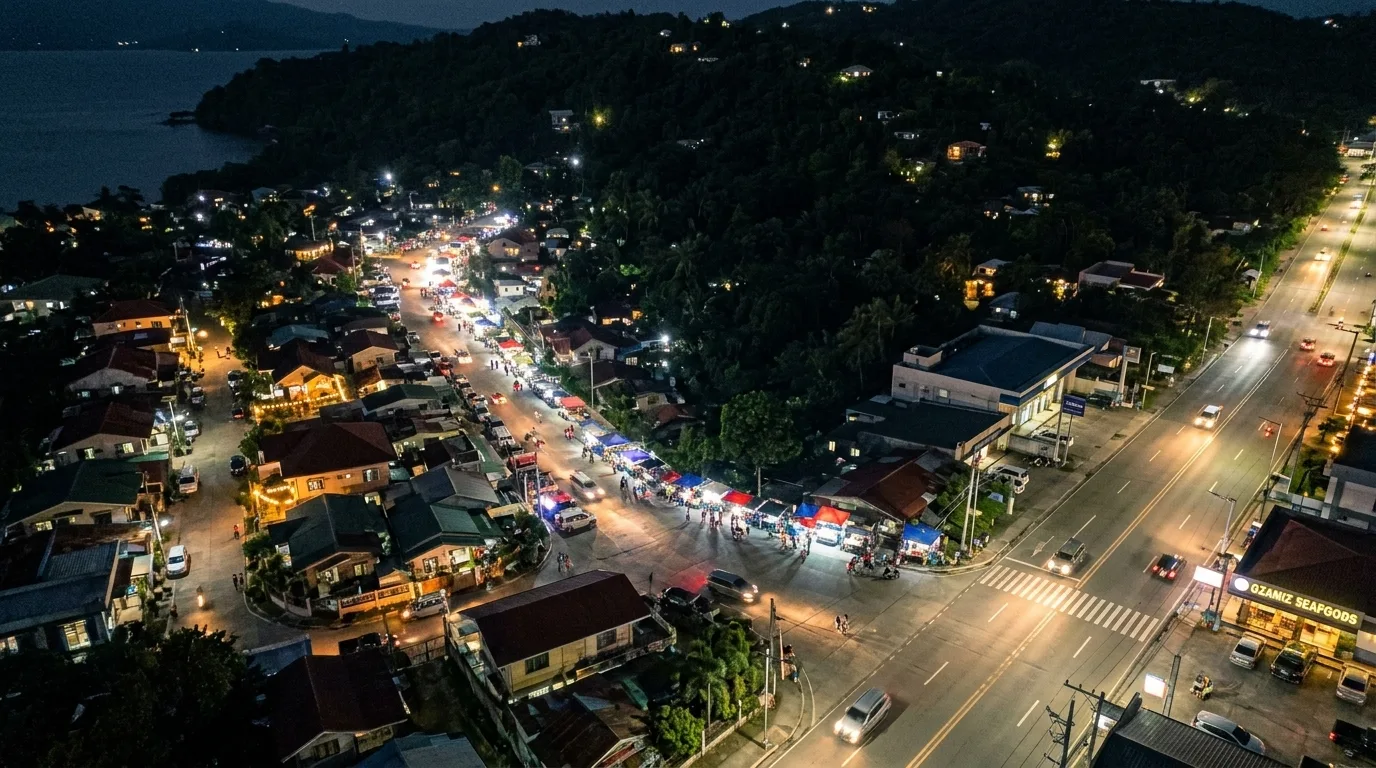
The launch in Sibulan was chosen because of its large population of young children. DOH‑NIR officials, joined by WHO consultant Dr. Mohammed Reazul Hasan, underscored the urgency of closing remaining immunity gaps. Hasan noted that the third phase aims to reach nearly twice as many children as the first two phases combined.
Global Support and Proven Progress
Hasan said the earlier phases already reached 3.4 million children, achieving about 82.2 percent of the initial target. He stressed that the effort must now intensify to achieve at least 95 percent coverage, the threshold needed for herd immunity. The WHO’s backing brings technical expertise and global credibility to the local rollout.
Provincial Health Office chief Dr. Liland Estacion confirmed that Negros Oriental remains free of confirmed measles cases. Nine suspected samples were tested, with two returning negative and others awaiting results. This status, she said, is fragile without sustained immunization coverage.
Why a Booster Campaign Matters
Measles is one of the most contagious viruses known, capable of causing pneumonia, brain swelling, and death. A single infected child can spread the disease to up to 18 unprotected people. Rubella, while milder, can cause devastating birth defects if contracted during pregnancy.
Routine vaccination alone does not guarantee full protection for every child. Some fail to develop immunity from a single dose, while others miss scheduled visits. Supplemental campaigns sweep through communities to reach those left behind, fortifying the wall of immunity that protects infants too young to be vaccinated.
Reaching Every Purok for Herd Immunity
Health workers will go door‑to‑door in purok clusters to ensure no eligible child is missed. Parents are urged to bring their children regardless of previous immunization history. The campaign eliminates cost and travel barriers, bringing the service directly to neighborhoods.
Estacion emphasized that the campaign’s success depends on community participation. She appealed to parents to trust the science and protect their children. The vitamin A supplementation provided during the drive adds an extra layer of defense against malnutrition and infectious disease.