


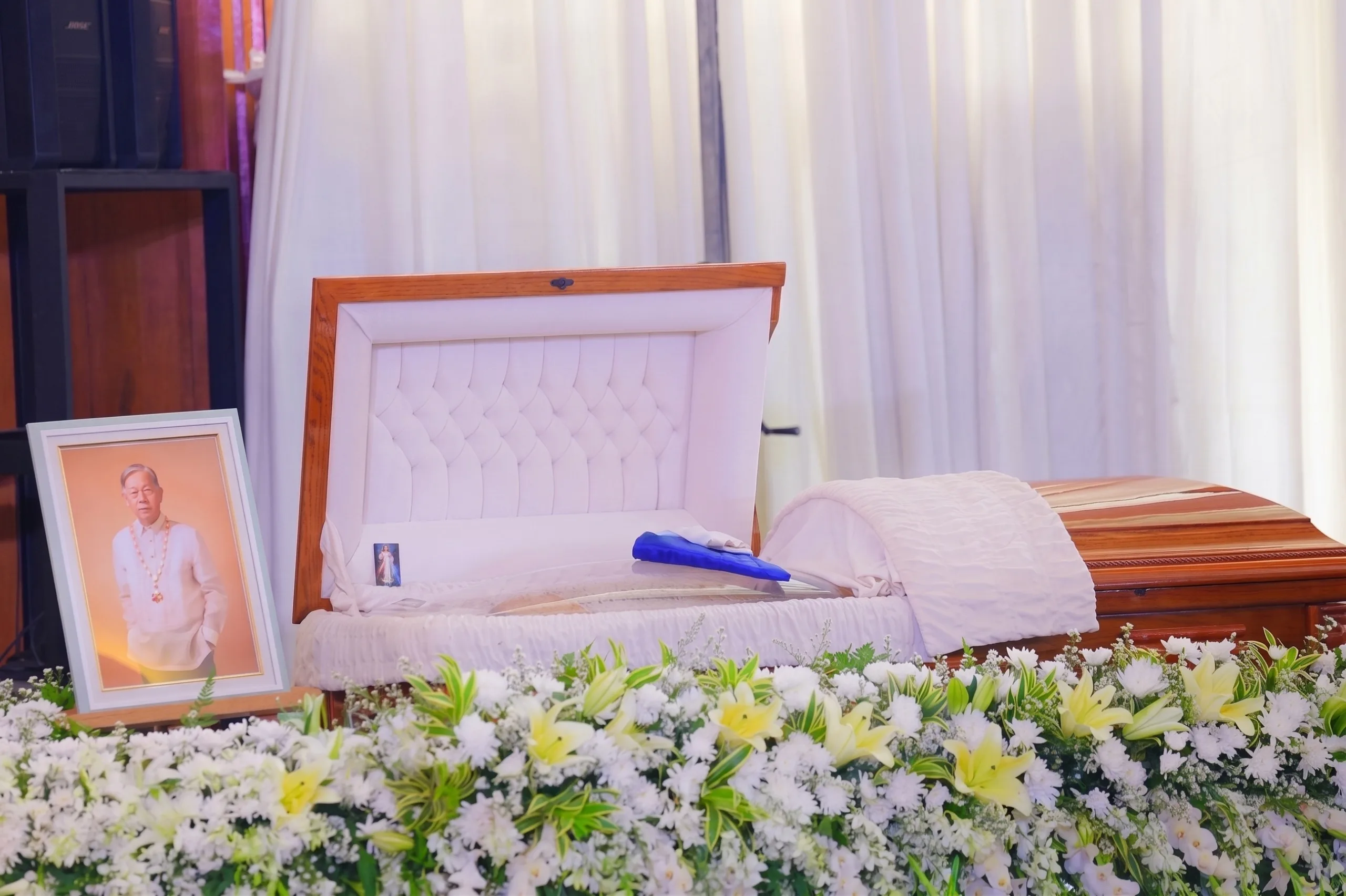
CEBU — President Ferdinand R. Marcos Jr. has declared September 12, 2026, as a Day of National Mourning in honor of National Artist for Literature Resil Mojares, who passed away on September 5 at the age of 83. The proclamation directs the national flag to be flown at half-mast across all government buildings and installations nationwide and abroad.
A Nation Honors Its Literary Giant
Under Proclamation 1434, signed on Thursday, the flag will be lowered from sunrise to sunset on September 12. The directive cites Republic Act 8491, the Flag and Heraldic Code of the Philippines, which mandates half-mast observance on the day of interment for National Artist awardees. The proclamation expressed the nation's solidarity with Mojares' family and friends.
The Palace described Mojares' passing as a great loss to the Filipino people and the cultural community. His contributions as a teacher, scholar, essayist, fictionist, and historian were cited for enriching the nation's understanding of its literary and cultural heritage. His work profoundly shaped both Cebuano and national identity.
A Legacy of Scholarship and Cultural Insight
Mojares was conferred the National Artist distinction in 2018 for his pioneering achievements in regional literature, cultural studies, and historical research. He served as Professor Emeritus at the University of San Carlos in Cebu City and was the founding director of the USC Cebuano Studies Center, a leading repository for Visayan history and heritage.
His influential works include "House of Memory," a collection of personal and cultural essays published in 1997, "The War Against the Americans: Resistance and Collaboration in Cebu, 1889-1906," "Interrogations in Philippine Cultural History," and "Brains of the Nation." These works explored themes of identity, resistance, and the formation of Filipino nationhood.
A Champion of Cebuano Identity
Mojares dedicated his career to promoting regional literature and history. His scholarship helped elevate the Cebuano perspective within the broader narrative of Philippine history. He was also among the first martial law detainees in Cebu in 1972, demonstrating a lifelong commitment to justice and truth.
As a journalist and academic, he mentored generations of scholars who continue his work. His legacy lives on through the institutions he built and the students he inspired. His writings remain essential reading for anyone seeking to understand the roots of Filipino cultural identity.
A Time for Remembrance
The national mourning declaration invites Filipinos to reflect on Mojares' contributions to the country's cultural landscape. Flags flying at half-mast serve as a visible reminder of the nation's gratitude. The Palace's tribute acknowledges his role as a pivotal figure in Philippine literature and cultural studies.
Cebuanos especially mourn the loss of a son who brought honor to the province. His passing leaves a void in the academic and artistic communities. Yet his work provides a lasting foundation for future generations of writers, historians, and thinkers.
