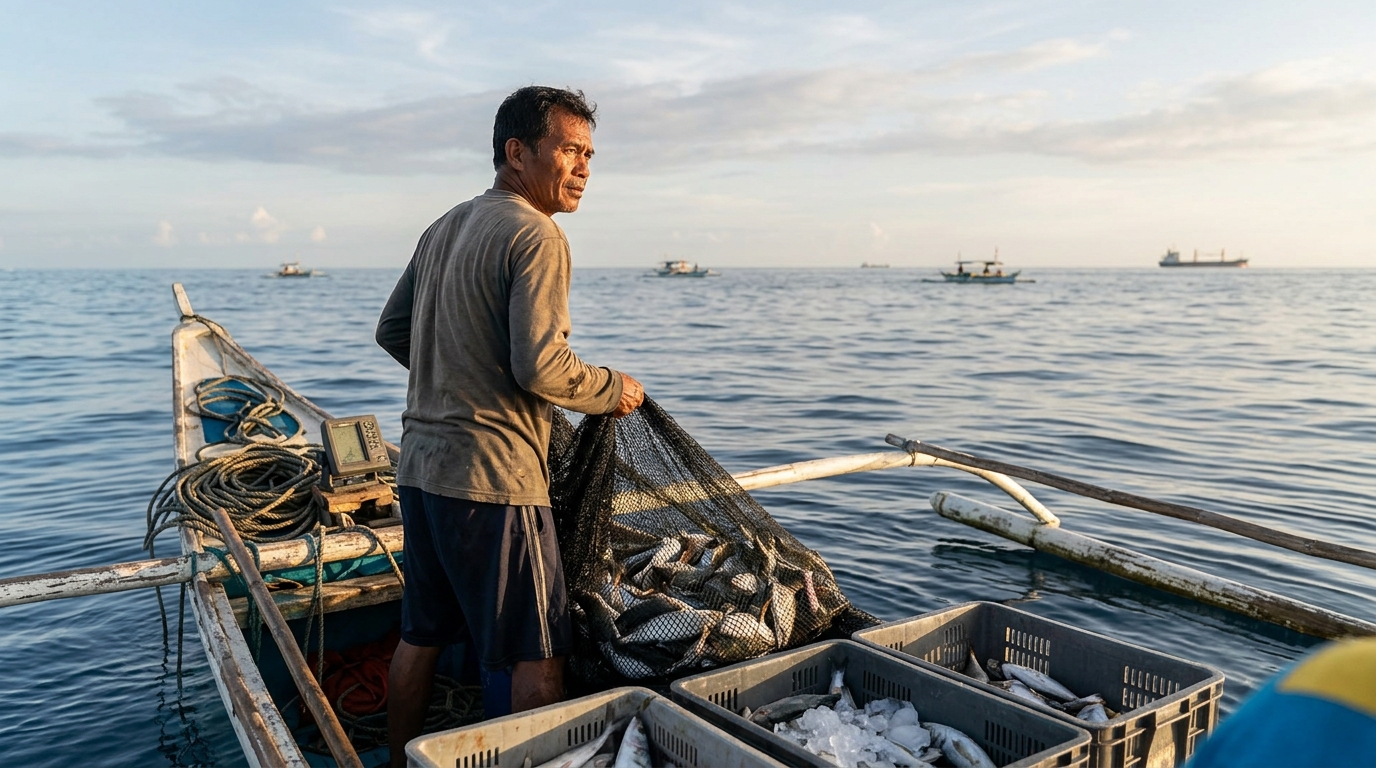
In a notable development underscoring the global recognition of regional issues, an Italian book has reportedly featured the Philippine view on the economic impact of the ongoing West Philippine Sea (WPS) dispute. This inclusion suggests a growing international discourse around the Philippines' significant stake in the contested waters, moving beyond mere territorial claims to encompass the tangible economic consequences for the nation. While specific details about the book's contents, authors, or publication date are not provided in the initial report, its focus on the Philippine perspective highlights how widely the economic ramifications of the WPS dispute are being acknowledged. For Filipinos, the West Philippine Sea is not merely a geopolitical flashpoint but a vital artery for national development. It encompasses rich fishing grounds critical for food security and the livelihoods of countless Filipino fishermen, as well as crucial international shipping lanes that facilitate trade, energy imports, and overall economic activity.
West Philippine Sea Impact to Filipinos
For millions of Filipinos, both within the archipelago and those working abroad as Overseas Filipino Workers (OFWs), the stability and security of the West Philippine Sea directly impact their economic well-being. Unresolved disputes in the region can lead to volatility that deters foreign investment, disrupts supply chains, and threatens the maritime resources essential for industries like fishing and tourism. Any international recognition, such as this Italian publication, amplifies the Philippines' voice on the global stage, potentially fostering greater understanding and support for a peaceful, rules-based resolution. Such stability is paramount for sustained economic growth, which in turn creates more opportunities at home and strengthens the national economy that OFWs support through their remittances.
The Attention in West Philippine Sea
The increasing international focus on the Philippines' economic concerns regarding the West Philippine Sea underscores the critical importance of regional stability. Filipinos should understand that these geopolitical discussions have direct consequences for daily life—from the price of goods influenced by trade disruptions to the availability of natural resources and job prospects in sectors reliant on healthy maritime environments. As the global community pays closer attention, it reinforces the need for national and international efforts to safeguard Philippine economic interests and ensure the long-term prosperity of its citizens.