Building Local Skills for Sustainable Bamboo Production
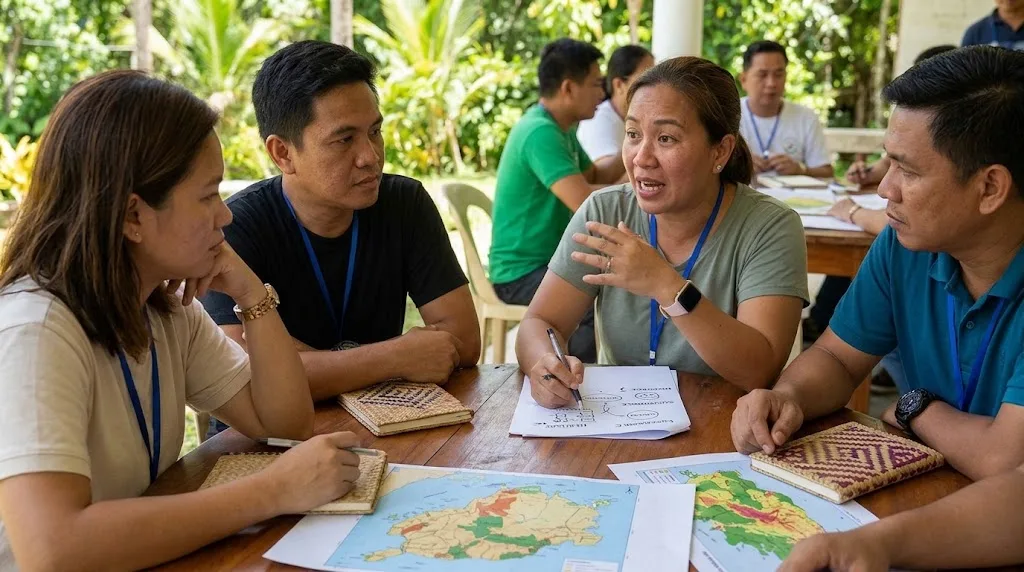
BOHOL - The Provincial Government of Bohol is strengthening local capacity in sustainable bamboo production through a two-day training on Bamboo Nursery Establishment, Management, and Seedling Production held on September 24–25 at the Bohol Biodiversity Complex in Bilar. Organized through the Bohol Provincial Environment and Management Office (BPEMO), the activity introduced participants to practical techniques for establishing nurseries, propagating bamboo, managing seedlings, and maintaining sustainable production systems. Combining classroom discussions with hands-on activities and municipal action planning allowed participants to explore how bamboo nurseries can be developed according to local conditions.
Turning Bamboo Into an Opportunity for Communities
The training also looked beyond seedling production by introducing participants to the bamboo value chain. Understanding how bamboo moves from propagation and cultivation toward different products can help communities identify potential livelihood opportunities while supporting responsible resource management. Participants also developed local production targets as part of their action planning, providing a starting point for municipalities interested in expanding bamboo-related activities. This approach connects environmental programs with practical community needs, particularly in areas where sustainable livelihood opportunities can complement conservation efforts.
Connecting Conservation With Climate Resilience
Bamboo development can serve multiple purposes when managed responsibly, from providing a renewable material to supporting vegetation and community-based environmental programs. By improving local knowledge on nursery management and production, Bohol can strengthen the capacity of communities to participate in longer-term environmental initiatives. The activity forms part of the province’s broader Strategic Governance Roadmap and supports the protection of natural resources within Bohol Island UNESCO Global Geopark. It also shows how a locally managed resource can connect environmental stewardship, livelihood development, and climate resilience in communities across the province.