


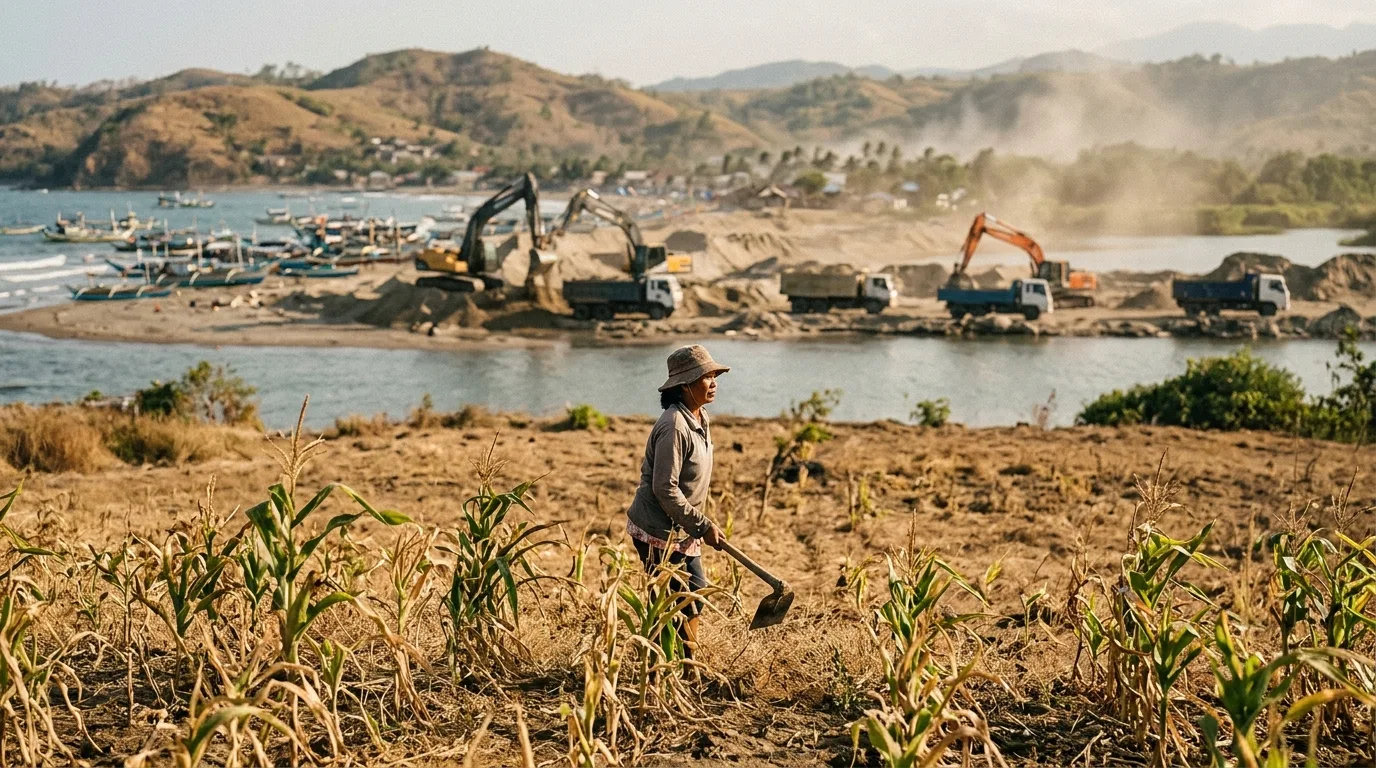
The Philippines is bracing for escalating environmental challenges, with issues like "Pax Silica" and the persistent threat of El Niño expected to take center stage in the nation's policy discussions, potentially dominating the 2026 State of the Nation Address. This focus signals a growing recognition within the government of the profound and far-reaching impacts these phenomena have on the archipelago's fragile ecosystems and the daily lives of its citizens. "Pax Silica," a term often associated with extensive sand extraction and quarrying, poses a significant threat to the Philippines' coastal and riverine environments.
Unchecked Mining Dynamics and El Niño Climate Disruptions
Unchecked sand mining activities lead to severe erosion, destabilize riverbanks, and destroy marine habitats crucial for the nation's fisheries. Coupled with this is El Niño, a recurring climate pattern known for causing prolonged dry spells and abnormal weather conditions. Historically, El Niño has led to devastating droughts, significantly reducing agricultural yields, depleting water resources, and increasing the risk of wildfires across the country. These environmental stressors collectively threaten food security, water supply, and the natural barriers that protect communities from typhoons and storm surges.
Agricultural Losses, Coastal Vulnerabilities, and Relieving Pressure on OFW Remittances
For millions of Filipinos, especially those in agricultural and coastal communities, these environmental issues translate directly into economic hardship and instability. Crop failures due to El Niño-induced droughts can wipe out farmers' incomes, leading to increased food prices and exacerbating poverty. Similarly, the degradation of coastal ecosystems from sand mining jeopardizes the livelihoods of fisherfolk and tourism-dependent communities. The ripple effect extends to the national economy, potentially slowing growth and increasing the demand for social services. For overseas Filipino workers (OFWs) worldwide, the impact is deeply personal; their remittances often become a lifeline for families struggling with lost income, higher living costs, or the need to rebuild after environmental disasters back home. The long-term sustainability of the Philippines' development and its ability to achieve its socio-economic goals are inextricably linked to how effectively these environmental challenges are addressed.
Mobilizing Civic Advocacy, Environmental Policy, and Community Preparedness
Filipinos, whether residing in the country or working abroad, need to be acutely aware of these environmental threats and their potential consequences. Understanding the government's proposed strategies, advocating for sustainable practices, and supporting initiatives that promote environmental protection are crucial. For OFWs, staying informed about the conditions in their home provinces can help them better support their families through preparedness measures, sustainable investments, or by contributing to local resilience-building efforts. The collective engagement of all Filipinos, alongside robust government action, will be vital in safeguarding the nation's future against these looming environmental crises.
