


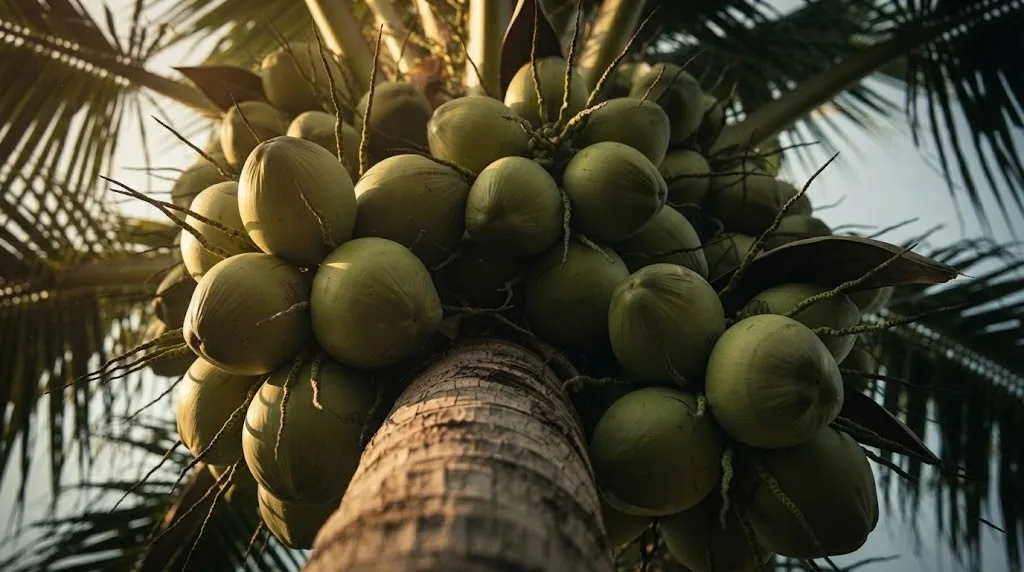
A Landscape That Defines the Province
LEYTE - Traveling across Leyte often means passing through highways lined with thousands of coconut trees stretching toward nearby hills and coastlines. These plantations are not simply beautiful scenery—they represent decades of hard work by farming communities that depend on coconuts for their livelihood. Every stage of cultivation, from nurturing young seedlings to harvesting mature nuts, requires experience and careful timing. For visitors, seeing these farms firsthand offers a greater appreciation of the effort behind one of the country's most recognizable agricultural products.
More Than Just Fresh Coconut Juice
The coconut's versatility has helped make it an essential part of Leyte's economy and cuisine. Fresh coconuts are enjoyed as refreshing drinks, while the meat is transformed into coconut milk, cooking ingredients, sweet delicacies, baked goods, and traditional desserts served in homes and local restaurants. Other parts of the tree are equally valuable, finding their way into handicrafts, furniture, charcoal, ropes, and construction materials. This remarkable ability to minimize waste demonstrates why the coconut is often called the "Tree of Life."
An Agricultural Experience Worth Including in Your Trip
Visitors looking beyond Leyte's famous historical sites can discover another side of the province by exploring rural communities where coconut farming remains a daily way of life. Local markets frequently showcase freshly harvested produce alongside coconut-based delicacies that reflect generations of culinary tradition. Purchasing these products directly from community vendors helps support local livelihoods while allowing travelers to bring home authentic flavors from the province. Sometimes, the most memorable part of a journey isn't found at a landmark but in the quiet countryside where agriculture continues to flourish.
