Protecting Marine Resources While Supporting Fisherfolk
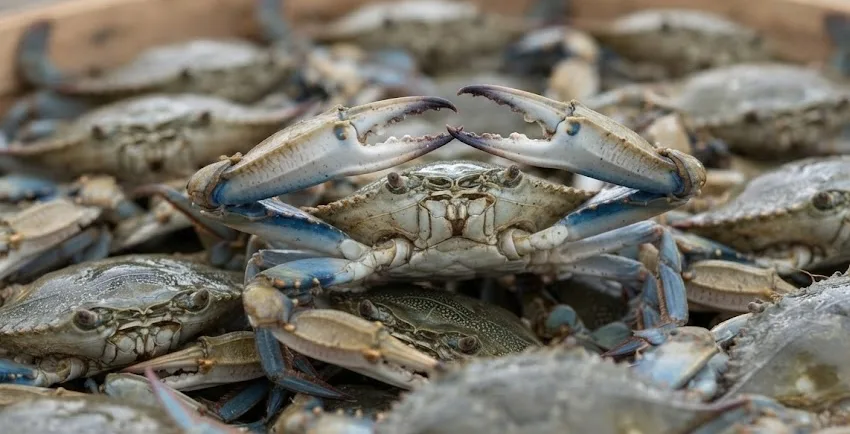
OZAMIZ CITY - Blue swimming crab is one of the Philippines' valuable seafood exports, making responsible management essential for both environmental and economic reasons. Under Fisheries Administrative Order No. 277, BFAR introduced measures such as limits on the aggregate length of gillnets used during crab fishing to reduce the accidental capture of protected marine species. These science-based regulations help maintain healthy fish stocks while supporting responsible harvesting practices. For fishing communities that supply seafood to markets in and around Ozamiz City, sustainable management helps preserve marine resources that many families depend on for their livelihoods.
Keeping Philippine Seafood Competitive Abroad
International buyers increasingly expect seafood to come from responsibly managed fisheries. The updated crab fishing rules also help align Philippine practices with international conservation standards, including requirements related to the United States Marine Mammal Protection Act. Meeting these standards strengthens confidence in Philippine seafood exports and helps maintain access to important overseas markets. While many fisheries in Misamis Occidental primarily serve domestic consumers, stronger national standards enhance the country's reputation as a reliable seafood supplier. This benefits the broader fishing industry by encouraging sustainable practices that support long-term market opportunities.
Building a Stronger Future for Coastal Communities
Sustainability is increasingly becoming an economic advantage rather than simply an environmental goal. Responsible fishing helps preserve marine ecosystems while ensuring that future generations can continue benefiting from coastal resources. For Ozamiz City and neighboring coastal municipalities, adopting practices that protect fisheries contributes to food security, livelihood stability, and healthier marine habitats. As government agencies continue promoting science-based fisheries management, communities that embrace sustainable harvesting will be better positioned to participate in an industry where environmental stewardship and economic growth increasingly go hand in hand.