


Adding Value Instead of Selling Raw Harvests
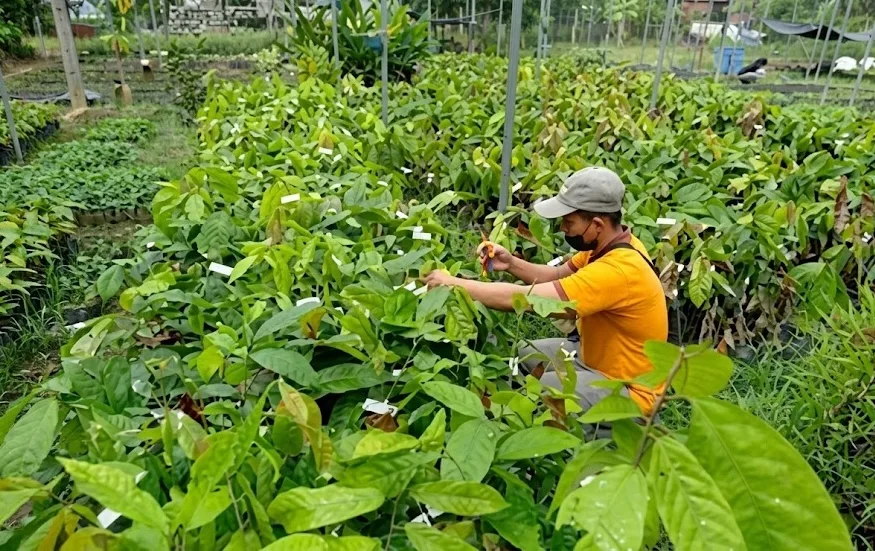
OZAMIZ CITY - Agriculture becomes more profitable when farmers participate in processing instead of supplying raw commodities alone. Cacao offers opportunities for communities to produce tablea, chocolate drinks, artisan chocolate bars, cacao nibs, and specialty food products that command higher market value. Training programs help farmers improve harvesting, fermentation, drying, and quality control so their products meet commercial standards. For aspiring entrepreneurs in Ozamiz City, these skills can become the foundation of homegrown food businesses that highlight locally sourced ingredients while supporting stronger agricultural incomes throughout the province.
Creating a Local Identity Through Food
Consumers increasingly appreciate products that reflect the character of the places where they are made. Locally produced cacao can become part of Ozamiz City's growing culinary identity by supplying cafés, bakeries, souvenir shops, and specialty food stores with unique regional products. Small businesses also benefit from collaborating with nearby farmers, creating shorter supply chains that strengthen the local economy. Developing distinctive food products encourages visitors to discover flavors connected with Misamis Occidental while giving entrepreneurs additional opportunities to compete in niche markets that value authenticity and craftsmanship.
Growing an Industry One Farm at a Time
Successful agricultural industries develop through cooperation among farmers, processors, educators, and government agencies. Technical assistance, market promotion, and entrepreneurship programs provide the support needed for producers to improve quality while exploring new business opportunities. As more growers embrace value-added production, Ozamiz City can expand beyond traditional agricultural activities into specialty food manufacturing that benefits both rural communities and urban enterprises. Strengthening the cacao sector demonstrates how innovation can increase farm incomes while introducing products that celebrate the region's agricultural potential.
