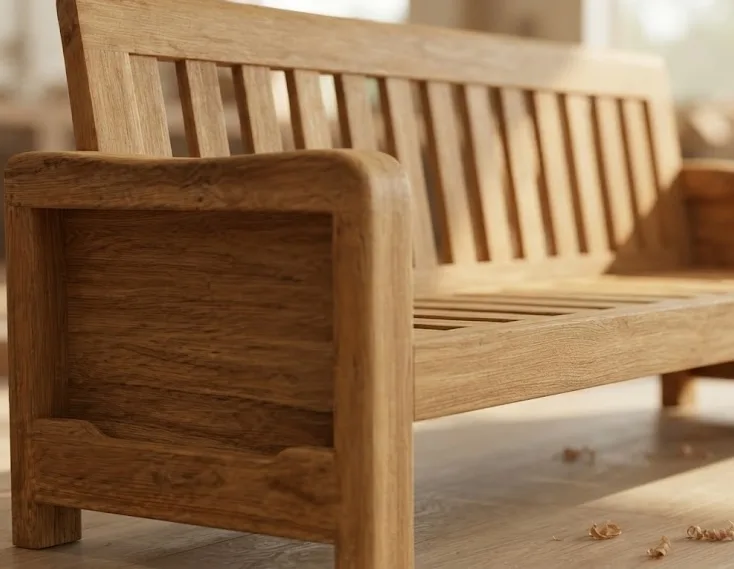
Creating Products That Reflect Local Craftsmanship
OZAMIZ CITY - Furniture making combines technical skill with artistic creativity. Across Northern Mindanao, DTI Region X continues providing mentoring on product design, quality improvement, and market readiness to help local manufacturers remain competitive. Small furniture makers can refine their products by incorporating modern designs while maintaining traditional woodworking techniques. For businesses connected to Ozamiz City, improving craftsmanship allows locally made furniture to appeal to homeowners, commercial establishments, and hospitality businesses seeking durable products with distinctive character. Continuous product innovation also helps manufacturers respond to changing consumer preferences.
Expanding Opportunities Through Better Market Access
Excellent craftsmanship becomes more valuable when businesses reach wider audiences. Through trade fairs, business matching events, and product exhibitions, DTI helps manufacturers introduce their furniture and home décor products to wholesalers, retailers, and institutional buyers. Better branding, packaging, and marketing strategies also strengthen customer confidence in locally manufactured goods. These opportunities encourage small enterprises to move beyond neighborhood sales while exploring regional and national markets. As demand grows for handcrafted furniture with sustainable materials, local manufacturers gain additional pathways for business expansion.
Supporting a More Creative Local Economy
The furniture industry contributes to more than manufacturing output. It supports carpenters, designers, finishers, suppliers, transport providers, and retail businesses throughout the value chain. Encouraging sustainable production practices and responsible sourcing also strengthens long-term industry resilience. For Ozamiz City, supporting local furniture enterprises helps diversify the economy while showcasing the creativity and technical expertise found within the community. Investments in skills development and entrepreneurship ensure that handcrafted furniture remains both a cultural asset and a promising source of livelihood for future generations.