


Using Sunlight to Support Agriculture
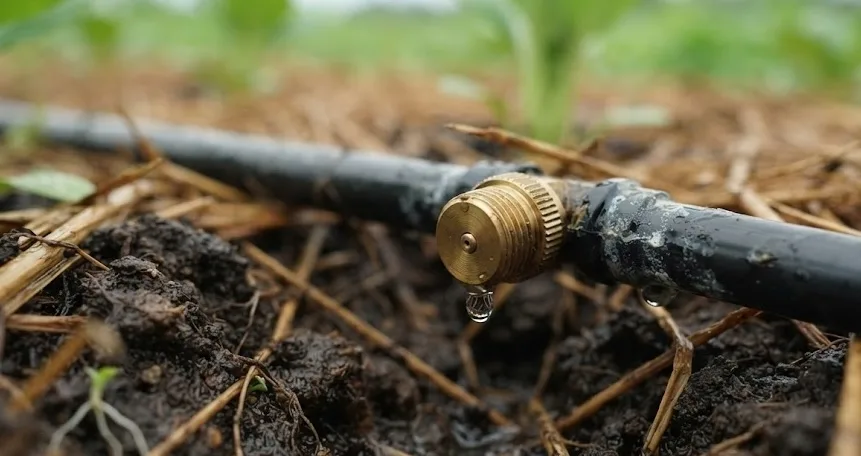
OZAMIZ CITY - Traditional irrigation systems often rely on fuel or electricity, both of which add to production costs. Solar-powered irrigation offers an alternative by using photovoltaic panels to operate water pumps that deliver irrigation without consuming fossil fuels. Through PHilMech's continuing support for renewable energy in agriculture, farming communities are being introduced to technologies that improve water availability while lowering long-term operating expenses. For agricultural areas supplying Ozamiz City, dependable irrigation can help stabilize crop production, particularly during dry periods when consistent access to water becomes increasingly important for maintaining healthy harvests.
Helping Farmers Improve Productivity Efficiently
Reliable irrigation allows farmers to plan planting schedules with greater confidence instead of depending solely on rainfall. Consistent water supply supports healthier crops, improves resource efficiency, and may reduce production interruptions caused by changing weather conditions. Renewable energy-powered systems also demonstrate how modern technology can be integrated into traditional farming practices without increasing environmental impact. As agricultural innovation continues expanding across Northern Mindanao, farmers gain access to practical solutions that strengthen both productivity and sustainability while helping reduce operational costs over time.
Supporting a More Sustainable Farming Future
Agriculture continues to evolve as producers adopt technologies that balance productivity with responsible resource use. Solar-powered irrigation reflects this shift by combining renewable energy with improved farm management. Beyond supporting crop production, these systems encourage efficient water use while contributing to broader goals related to climate resilience and sustainable agriculture. For Ozamiz City and neighboring farming communities, continued investment in renewable agricultural technologies highlights the importance of preparing local food production for future environmental and economic challenges while strengthening the resilience of rural livelihoods.
