


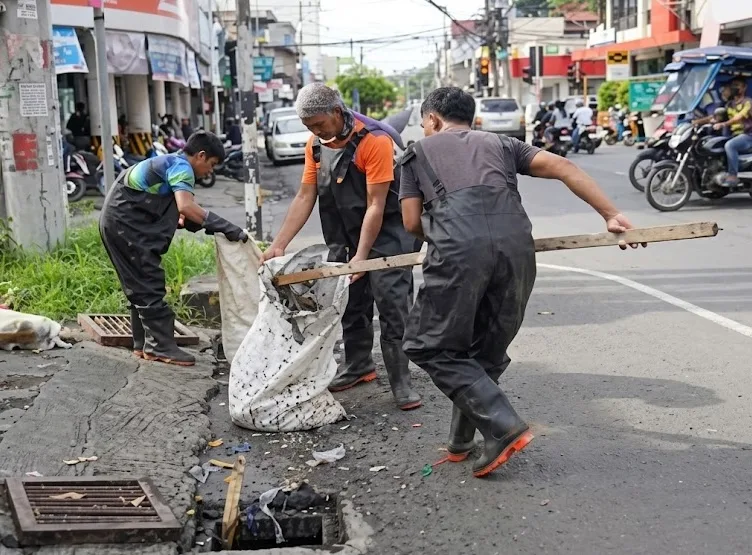
Looking Beyond the Garbage Bin
OZAMIZ CITY - Every community produces waste differently, making accurate information essential for planning effective environmental programs. Through the Waste Analysis and Characterization Study, participating barangays sorted and measured household waste to determine how much consisted of biodegradable materials, recyclables, residual waste, and special waste. These findings provide local planners with a clearer understanding of disposal patterns instead of relying on estimates alone. Better information allows waste management strategies to be tailored to actual community needs while supporting more efficient collection schedules, recycling initiatives, and composting efforts that reduce landfill dependence.
Turning Information Into Practical Solutions
Waste studies are valuable because they help identify opportunities rather than simply documenting problems. When communities know the largest sources of waste, they can introduce targeted programs such as food waste composting, improved segregation campaigns, or expanded recycling partnerships. Schools, households, businesses, and barangays all benefit from strategies built on reliable local data. These improvements also encourage greater public participation because residents can better understand how their daily habits contribute to the city's environmental goals. Data-driven planning ultimately creates more efficient and sustainable public services.
Building a Cleaner Future Through Better Planning
Environmental protection depends as much on planning as it does on participation. By conducting waste characterization studies, Ozamiz City is strengthening its ability to make informed decisions about future investments in waste management infrastructure and environmental education. Small improvements in segregation, recycling, and composting can collectively reduce disposal costs while protecting natural resources. As the city continues pursuing sustainable development, initiatives grounded in accurate environmental data help create cleaner neighborhoods, healthier communities, and a stronger foundation for responsible urban growth.
